Eco-Parenting 101: Creating a Sustainable Nursery Without Breaking the Bank
Baby & Kids
📅 2026. 03. 16.
Welcoming a new arrival doesn't have to mean a mountain of plastic and a drained bank account. Discover how to build a safe, stylish, and sustainable nursery using savvy second-hand finds.
The Green Shift in Parenting
Preparing for a new baby is one of the most exciting times in life, but it can also be one of the most overwhelming. Between the endless lists of "must-have" gadgets and the pressure to have everything brand new, the environmental footprint—and the cost—can skyrocket. However, a new wave of British parents is proving that you can create a beautiful, functional, and planet-friendly space for your little one without the heavy price tag.
Why Sustainable Choices Matter
From plastic toys that end up in landfills to fast-fashion baby grows that are outgrown in weeks, the nursery industry is a major contributor to waste. By choosing a more mindful approach, you aren't just saving money; you are teaching your child the value of resources from day one. Embracing sustainable living within your home starts with looking at what already exists in the circular economy.
"The most sustainable product is the one that has already been manufactured."
Prioritising Safety in a Pre-loved World
While buying second-hand is fantastic for the planet, safety remains the absolute priority. When you are scouting for deals on cribs or monitors, you need to ensure they meet current UK safety standards. Checking for recalls and ensuring everything is in good working order is essential. For those looking for peace of mind, browsing dedicated sections for baby care and safety can help you find quality items that haven't compromised on protection.
The "Big Three" Nursery Essentials
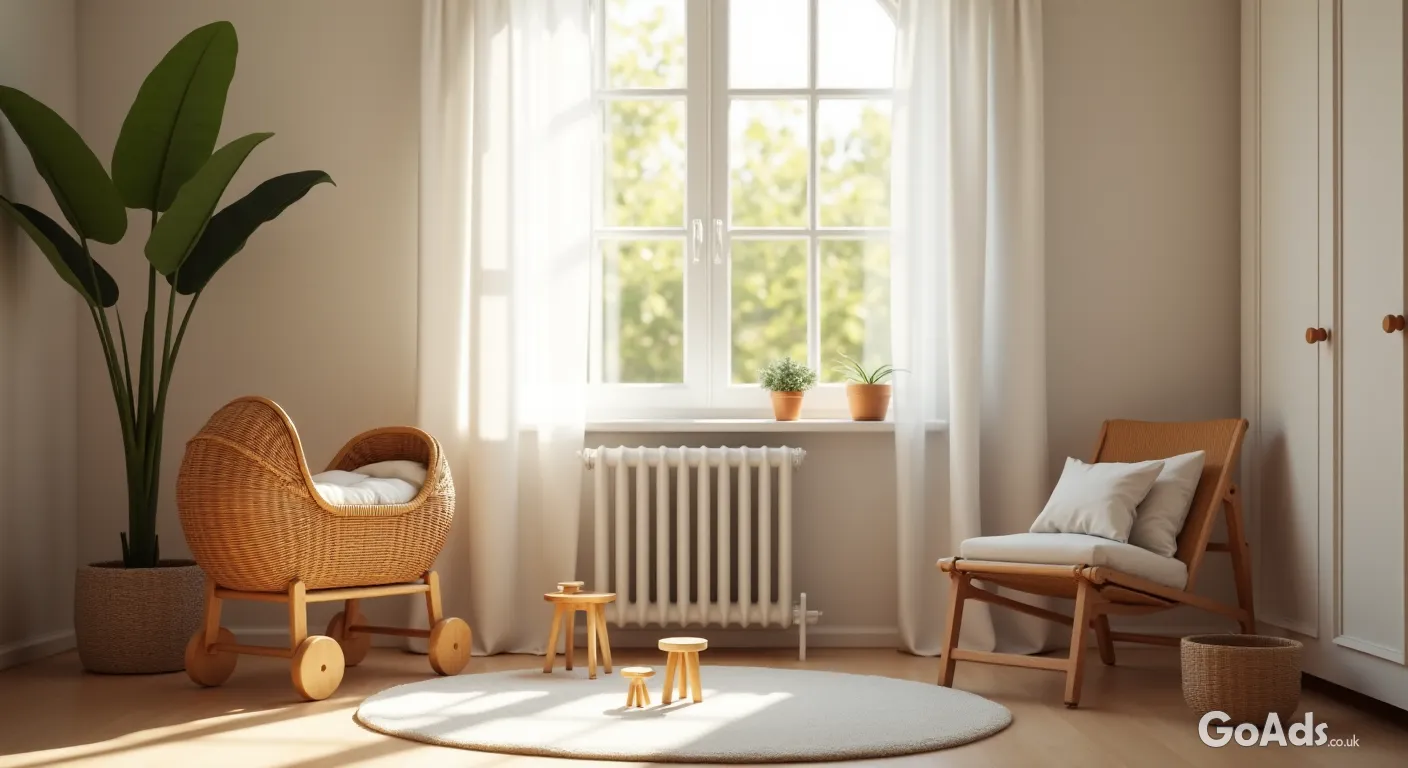
The Cot: Look for solid wood frames. Avoid drop-side cots as they are no longer recommended for safety. Always buy a brand-new mattress, even for a used frame.
The Changing Station: A sturdy chest of drawers with a changing mat on top is far more versatile than a dedicated changing table that will be useless in two years.
The Nursing Chair: A high-quality armchair can be found at a fraction of the price second-hand and can be reupholstered to match your decor.
The Magic of Upcycling
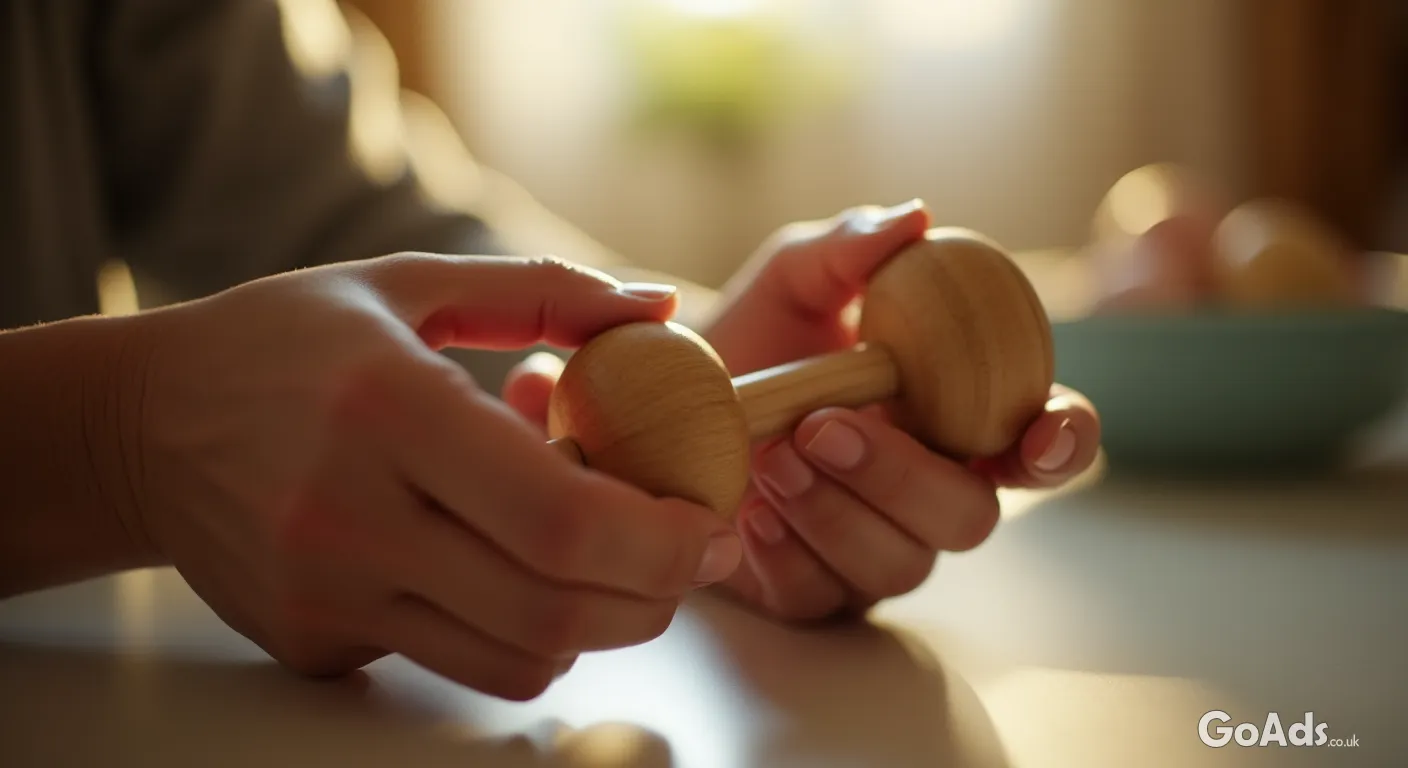
Don't be afraid of a bit of DIY. An old wooden wardrobe can be transformed with a coat of non-toxic, VOC-free paint to become a stunning focal point in the nursery. Sanding down second-hand wooden toys not only makes them safe but gives them a fresh, bespoke look that plastic alternatives simply can't match. It's about seeing the potential in well-made furniture that just needs a little bit of love.
"A splash of eco-friendly paint and some new handles can turn a second-hand find into a designer piece."
Choosing Natural Materials
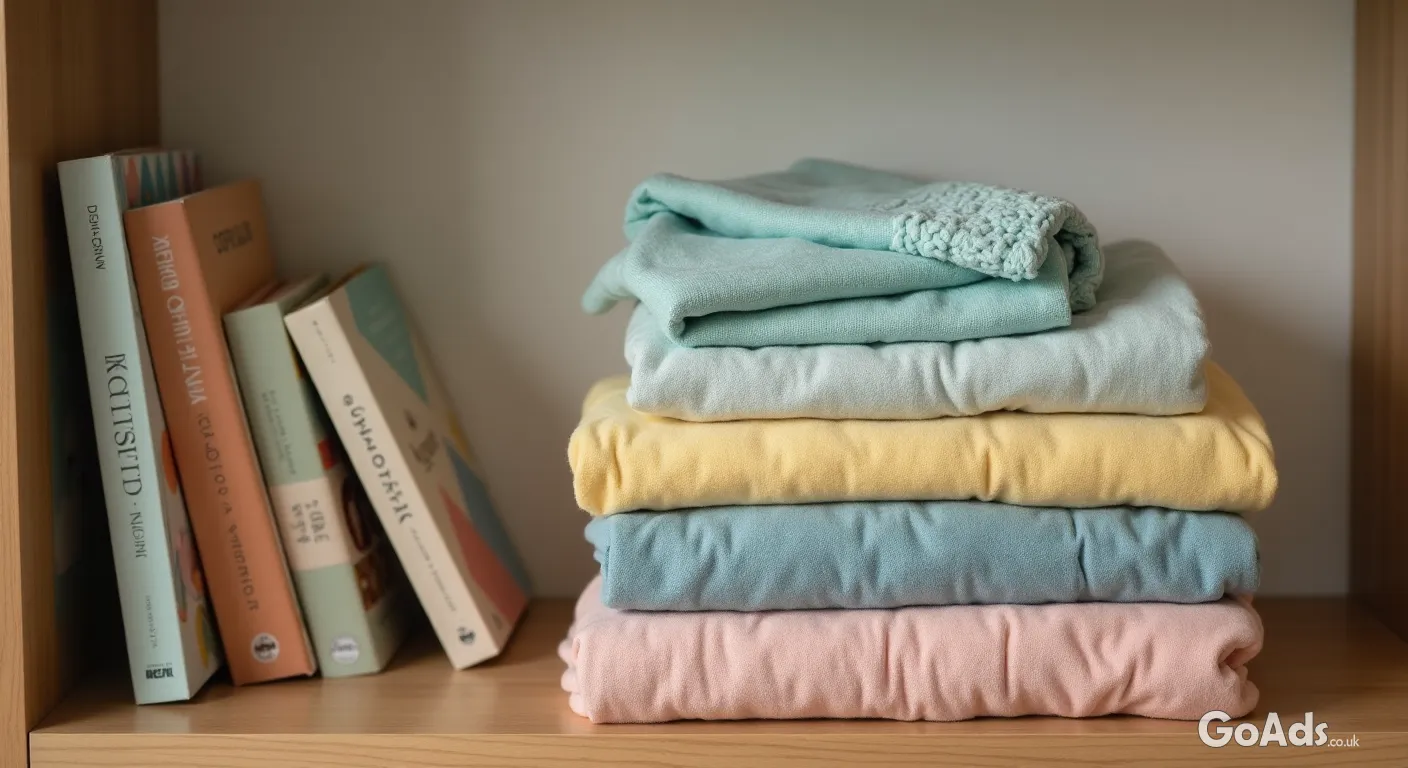
When you do need to buy new, or when looking for textiles, aim for natural fibres. Organic cotton, bamboo, and wool are breathable, biodegradable, and much gentler on a baby's sensitive skin. These materials also tend to wash better and last longer, making them ideal for the second-hand market once your little one eventually outgrows them.
Your Second-Hand Shopping Checklist
Check for the British Standard (BS EN) marks on all equipment.
Ensure there are no sharp edges, loose screws, or peeling paint.
Verify that any fabric items come from a smoke-free and pet-free home if possible.
Test all moving parts, such as wheels on prams or hinges on toy boxes.
Avoiding the Clutter Trap
One of the most sustainable things you can do is simply buy less. It is easy to get caught up in the "nesting" phase and buy every gadget marketed to parents. Before clicking "buy," ask yourself if the item serves a long-term purpose or if it can be borrowed from a friend. Often, the simplest environments are the most calming for both the baby and the parents.
Building a Community of Exchange
Parenting is a journey best shared. Once you have finished with your nursery items, pass them on! Whether it is through local groups or online marketplaces, keeping items in circulation is the ultimate goal of eco-parenting. By buying and selling within your local community, you reduce shipping emissions and help another family start their journey sustainably.















 Secure buying and selling
 Terms of Use
 GoAds.co.uk Facebook