The Cluck-Start Guide: How to Raise Happy Backyard Chickens on a Budget
Pets
📅 2026. 06. 20.
Thinking about trading your alarm clock for a morning crow? Here is everything you need to know about starting your own backyard flock without breaking the bank.
The Good Life in Your Own Backyard
There is something deeply satisfying about heading into the garden with a cup of tea and coming back with a handful of warm, fresh eggs. It is the ultimate dream for many of us looking to embrace a bit of the "Good Life." Backyard chickens aren't just egg-producing machines; they are quirky, feathered companions that can help turn your garden waste into liquid gold for your plants. But before you rush out and buy the first bird you see, you need a solid plan to keep your new flock happy and your neighbours on your side.
Choosing Your Feathered Friends
Not all chickens are created equal. If you are a beginner, you want breeds that are docile, hardy, and reliable layers. Breeds like the Rhode Island Red or the Sussex are legendary for their easy-going nature. When you are ready to start your journey, checking out local listings for small-scale livestock is a great way to find healthy, point-of-lay pullets that are ready to start their new life in your garden.
"A happy hen is a productive hen. Give them space, safety, and a bit of sunshine, and they will reward you every single morning."
The Coop: Safety First
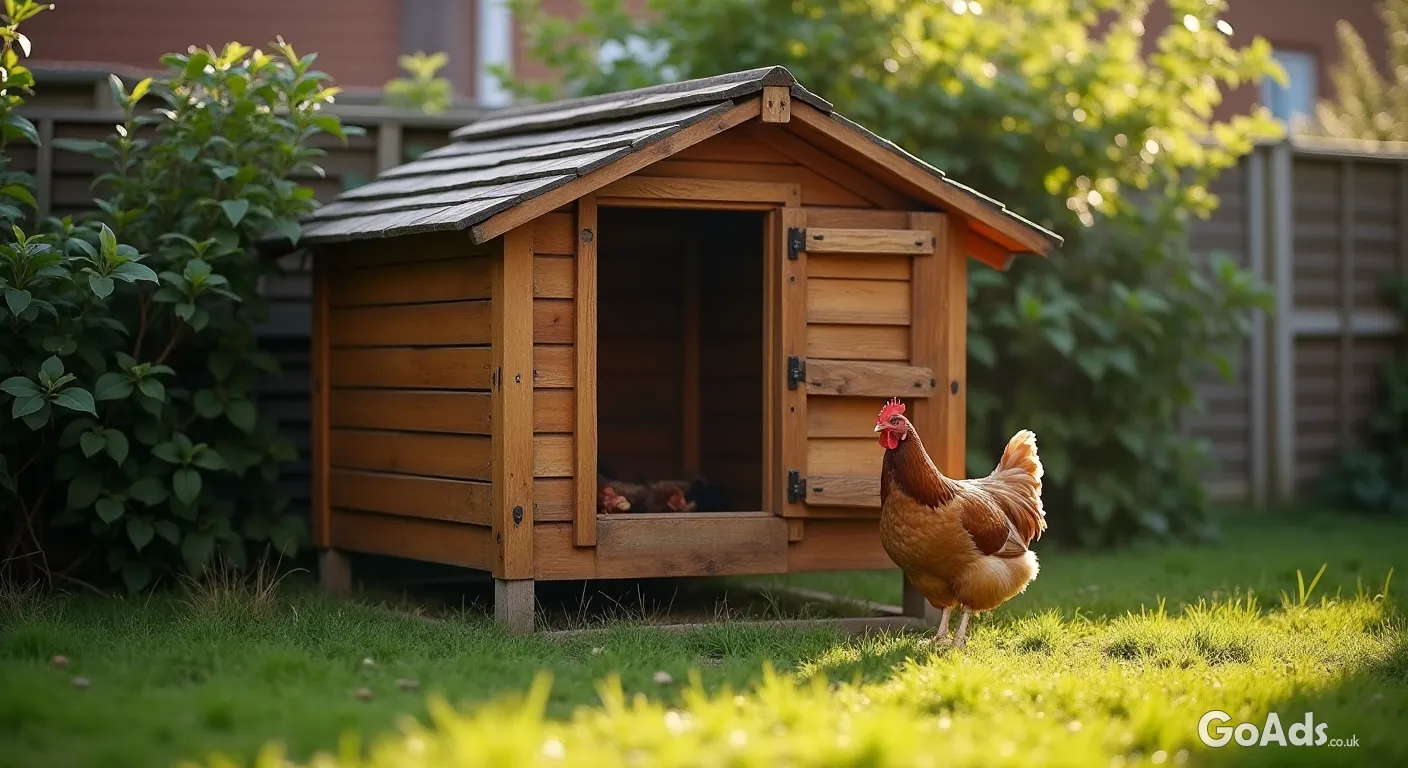
In the UK, the biggest threat to your flock is the urban fox. Your coop needs to be a fortress. While you can buy brand-new setups, many savvy keepers find that sourcing second-hand poultry supplies and equipment is the best way to keep costs down. Look for sturdy timber and ensure you have a secure run where they can stretch their wings during the day without becoming a snack for the local wildlife.
Essential Chicken Kit Checklist
A draught-free coop with nesting boxes
A secure, fox-proof outdoor run
Galvanised metal feeders and waterers (they last longer than plastic)
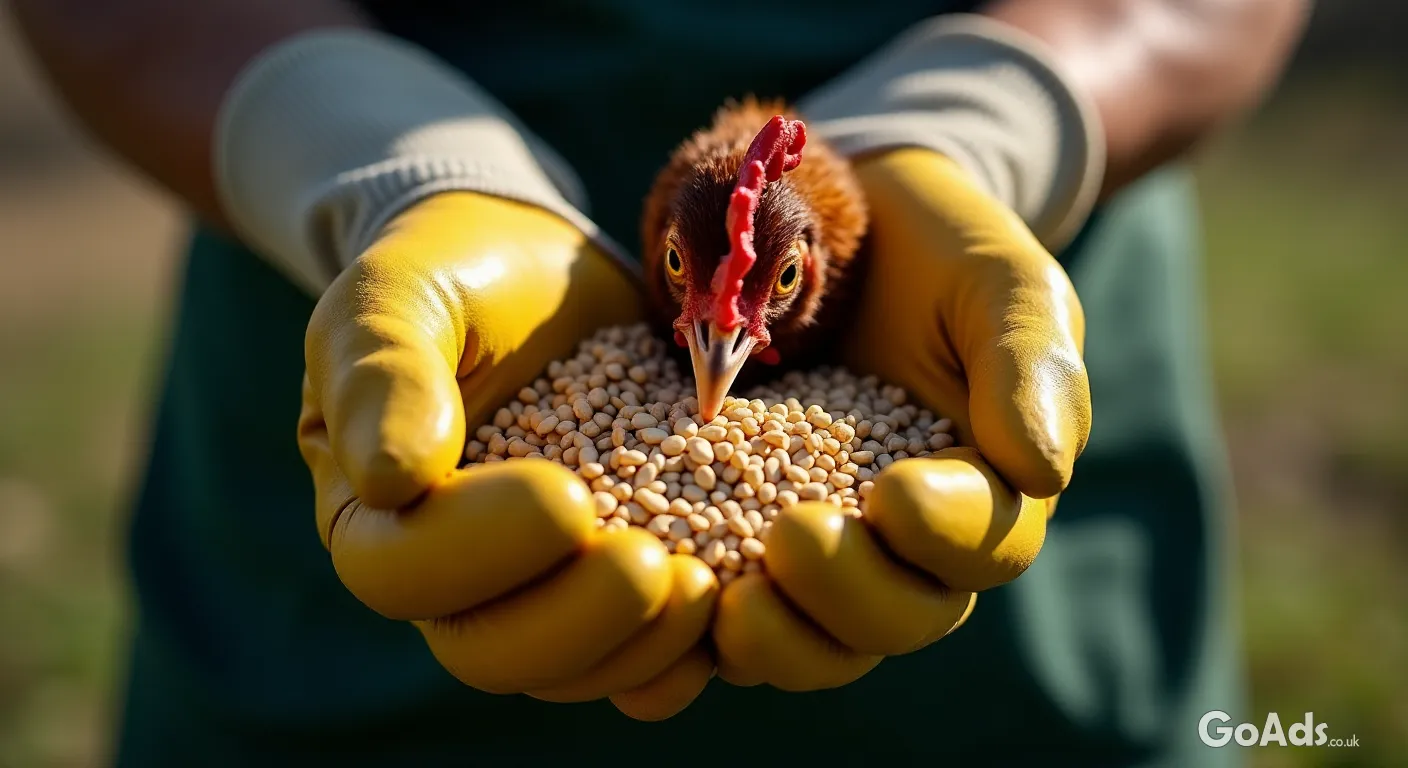
High-quality layers pellets and mixed grit
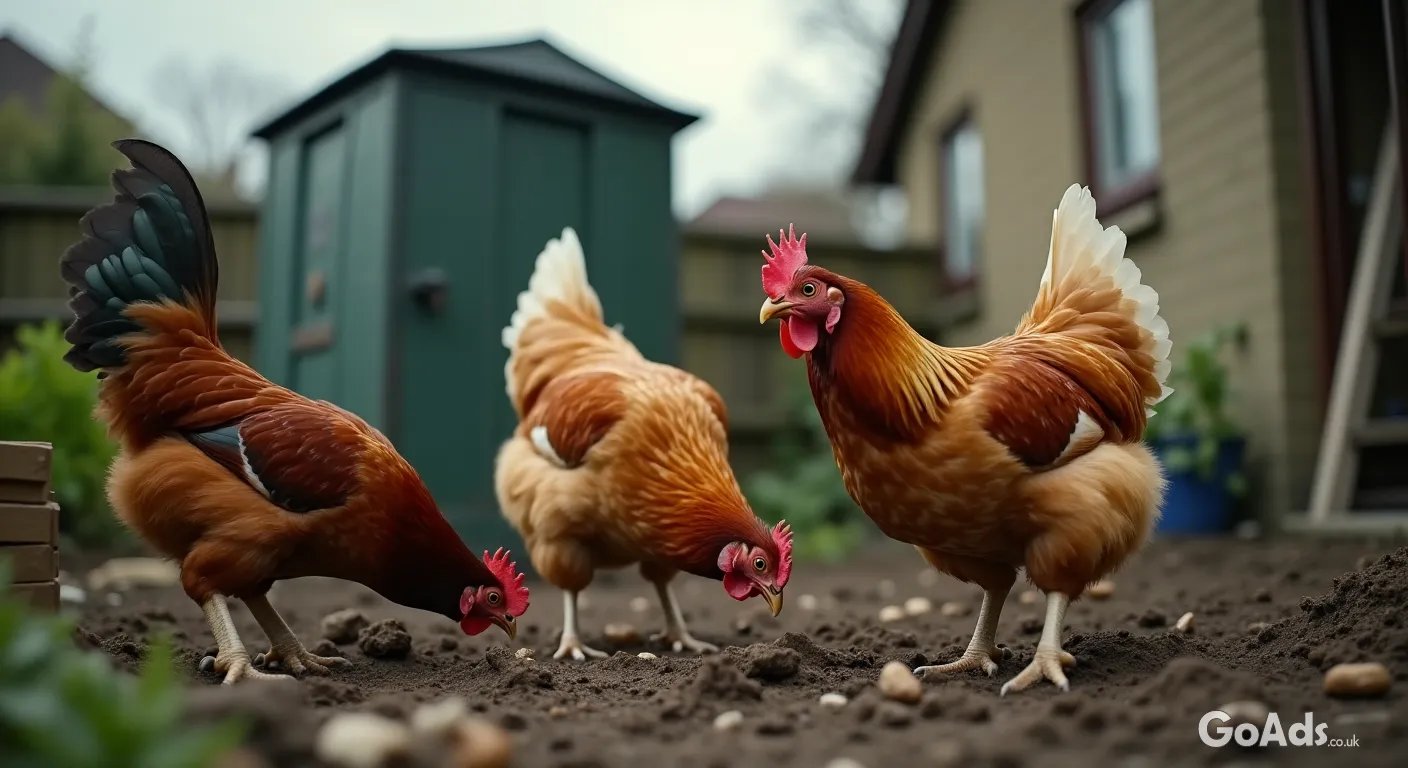
Dust bath area (a mix of sand and wood ash works wonders)
Nutrition and Daily Care
Chickens are omnivores and will happily peck at your kitchen scraps, but they need a balanced diet to produce those shells. Pellets provide the core nutrients, but they also love "enrichment" like hanging a cabbage for them to peck at. If you are going away for a weekend, don't forget you can often find local experts offering a bespoke pet sitting service to keep your birds fed and watered while you are off duty.
Sustainable Garden Synergy
One of the best reasons to keep chickens is how they fit into a wider vision of sustainable living and self-sufficiency. Their manure is incredibly high in nitrogen, making it a powerhouse for your compost heap. Just remember to "age" it for a few months before putting it on your veg patch, or it might be a bit too "hot" for your delicate seedlings!
You don't need a cockerel to get eggs—hens will lay perfectly well without a gentleman around. In fact, unless you live in the middle of nowhere, skipping the rooster is the best way to keep your neighbours happy. Most people won't mind a bit of gentle clucking, especially if you occasionally drop a half-dozen fresh eggs over the fence as a "hush-gift."
Health and Wellbeing
Regularly checking your birds for mites and ensuring they have access to a dry dust bath is vital. Keeping up with the latest advice in our dedicated pet care section will help you spot the signs of a bird feeling under the weather before it becomes a flock-wide issue. Look for bright eyes, red combs, and plenty of energy.
Chicken-Friendly Garden Plants
Lavender (smells great and deters some pests)
Sunflowers (great for shade and the seeds are a treat)
Marigolds (helps keep the yolk colour vibrant)
Rosemary (hardy enough to survive a bit of pecking)
The Daily Routine
Expect to spend about 10-15 minutes a day on basic chores: letting them out, topping up water, and collecting eggs. A deeper clean of the coop should happen once a week to keep everything fresh. It is a small price to pay for the entertainment they provide—watching "chicken TV" in the garden is genuinely more relaxing than most things on Netflix!
Final Thoughts
Starting a backyard flock is a commitment, but it is one of the most rewarding hobbies you can take up. It connects you to the seasons, reduces your food miles, and brings a bit of rural charm to the most urban of spaces. So, clear a spot in the garden, secure that fence, and get ready to welcome your new feathered roommates home.














 Secure buying and selling
 Terms of Use
 GoAds.co.uk Facebook