The Wild Swimmer's Essential Guide: How to Take the Plunge Safely and Sustainably
Sports & Leisure
📅 2026. 06. 11.
Discover the joys of open water swimming with our expert guide on safety gear, acclimatisation, and finding the best local spots for a refreshing dip.
Embrace the Great Outdoors
There is something undeniably British about bracing the elements for a dip in a cold lake or a coastal bay. Wild swimming has seen a massive surge in popularity recently, and for good reason. It is not just about the physical exercise; it is about the mental clarity that comes from immersing yourself in nature. Whether you are looking for local sports and leisure opportunities or just want to try something new, wild swimming is a fantastic way to connect with the landscape.
Safety First: Know Your Water
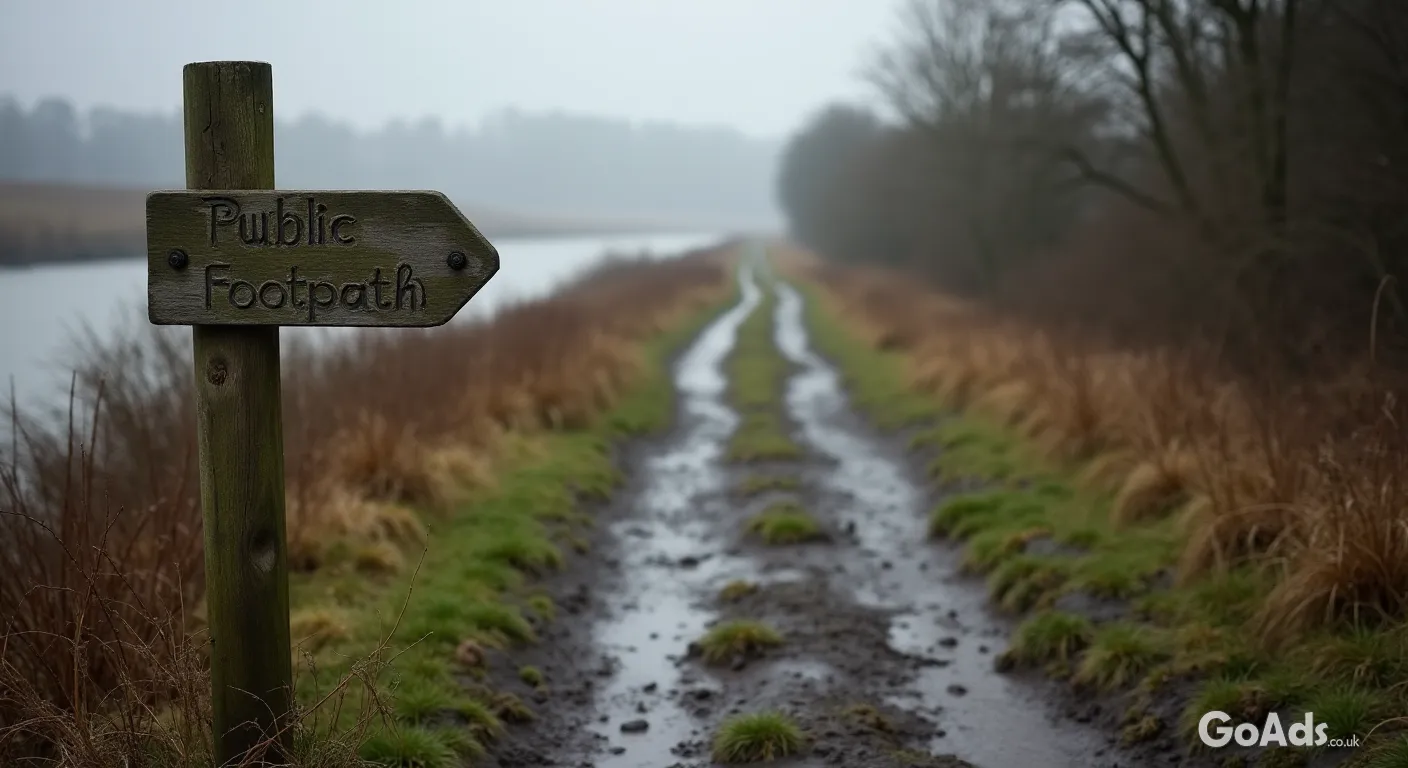
Before you even dip a toe in, safety must be your priority. Unlike a chlorinated pool, open water has currents, varying depths, and temperature shifts. Always check the weather forecast and tide times if you are heading to the coast. Never swim alone, especially when starting out. Look for established swim spots where others gather, and always have a clear exit point in mind before you enter the water.
Always look for blue-green algae warnings during warmer months, as these can be harmful to both humans and pets.
The Essential Kit List
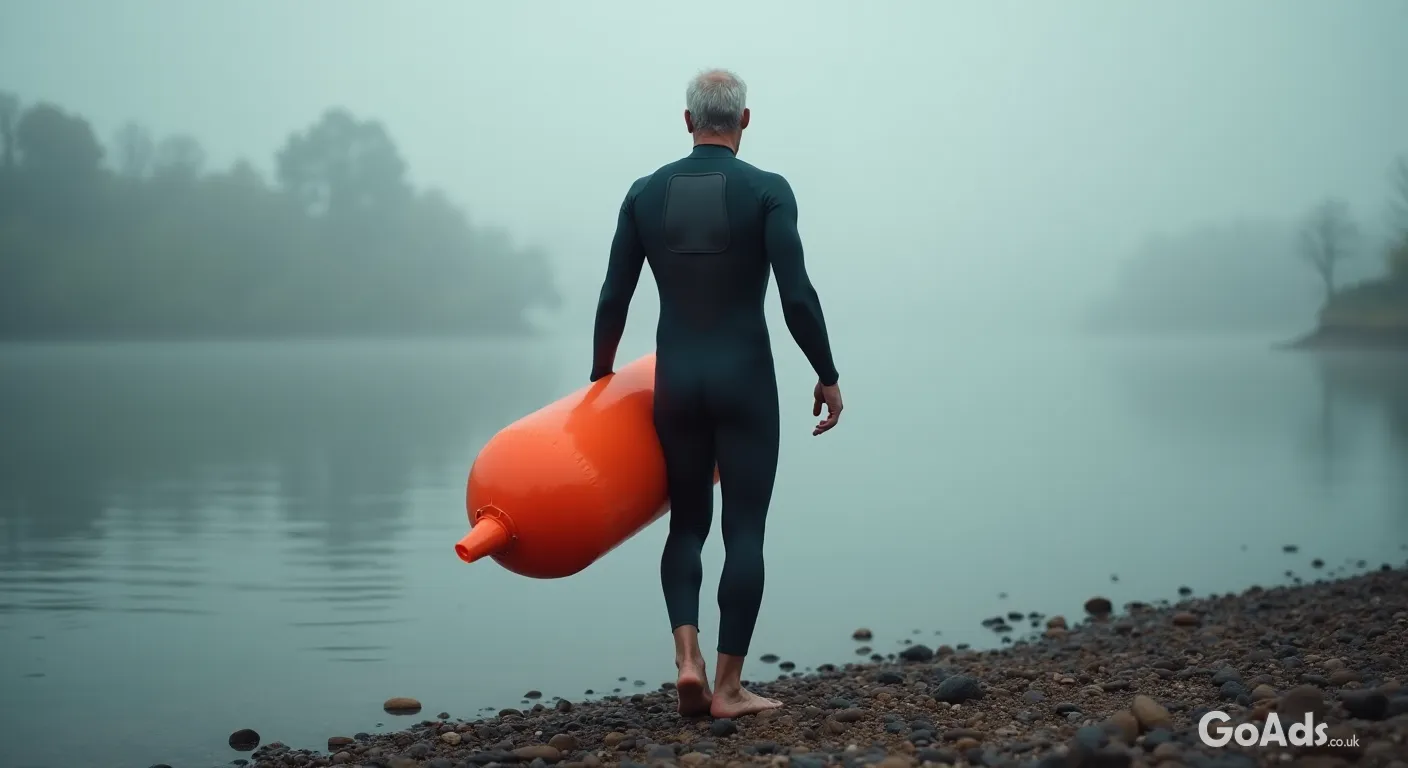
A brightly coloured tow float for visibility and a bit of buoyancy.
A high-quality swimming cap (silicone or neoprene).
Neoprene boots and gloves to protect your extremities from the chill.
A warm changing robe or a large oversized towel.
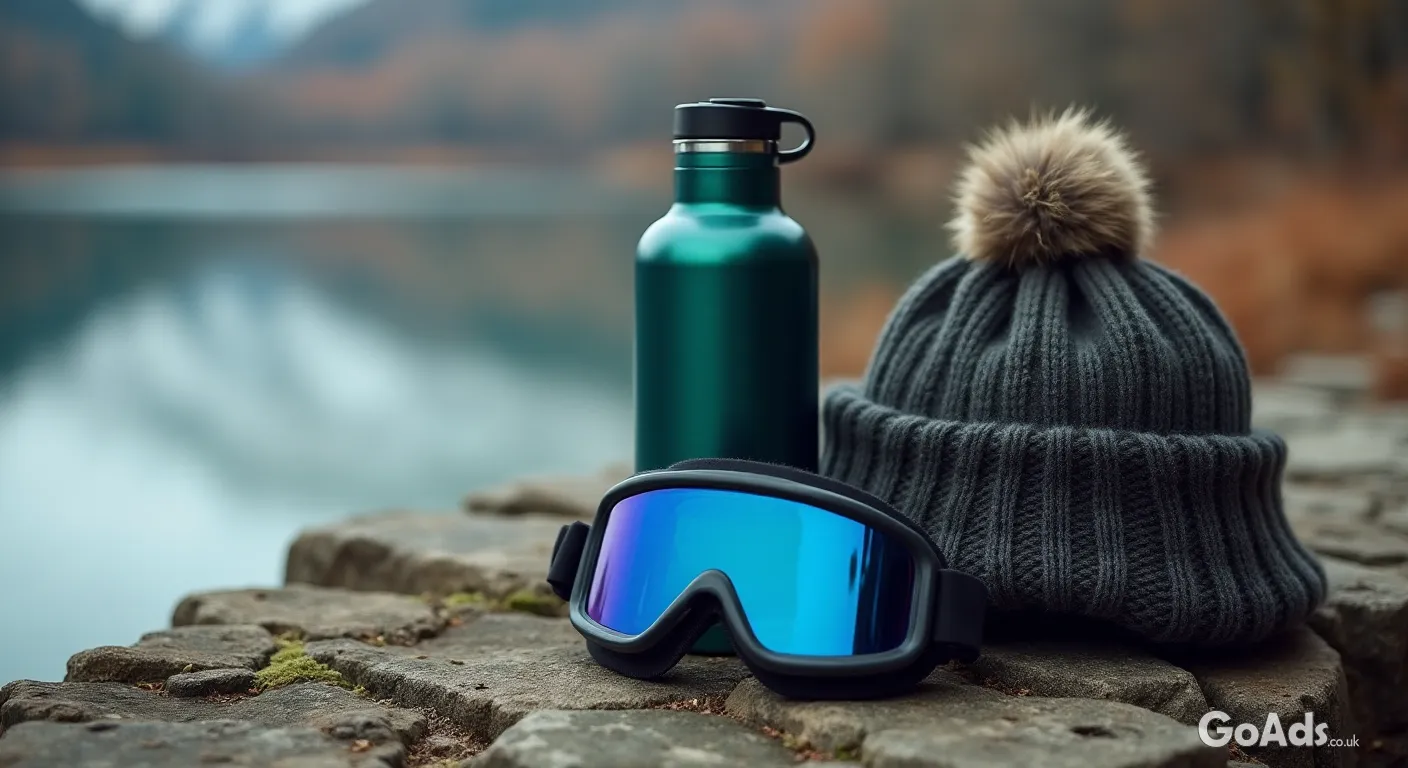
A thermos filled with a hot drink for post-swim recovery.
Dressing for the Occasion
While some purists prefer "skins" (just a swimsuit), many beginners find that a wetsuit helps them stay in longer and feel more confident. Invest in quality sportswear designed for cold water, as these provide better thermal protection than standard surfing suits. If you are buying pre-loved gear, check the seams and the zip for any signs of salt-water corrosion or wear and tear.
The Art of Acclimatisation
Cold water shock is real, and it can be dangerous if you jump in too quickly. The key is to enter the water slowly. Splash some water on your face and neck first, then wade in gradually. Focus on your breathing; try to keep it slow and deep. As your body adjusts, you will find that the initial "bite" of the cold fades into a pleasant tingle. Never stay in too long—listen to your body, not the clock.
Finding Your Tribe
For those who enjoy outdoor hobbies, the social aspect of swimming clubs is a huge draw. There are hundreds of local "Bluetits" or similar community groups across the UK. Joining a group not only makes swimming safer but also provides a wealth of local knowledge about the best hidden gems and the cleanest stretches of water.
The "afterdrop" is when your core temperature continues to fall even after you have left the water. To combat this, dry off immediately and get layered up. Put on a hat and warm socks before anything else. Sip your hot drink and have a small sugary snack to help your body generate heat. Avoid taking a hot shower immediately; let your body warm up naturally first.
Respecting the Environment
Leave no trace: Take all your rubbish home with you.
Check, Clean, Dry: Prevent the spread of invasive species by cleaning your gear between different water bodies.
Be mindful of wildlife, especially nesting birds on riverbanks.
Avoid using harsh soaps or shampoos in the natural water.
Make a Splash This Weekend
Wild swimming is more than just a sport; it is a lifestyle choice that promotes sustainability and well-being. By choosing to swim locally and avoiding heated indoor pools, you are reducing your carbon footprint while gaining a whole new perspective on your local area. So, grab your tow float, find a buddy, and experience the invigorating rush of the open water!









 Secure buying and selling
 Terms of Use
 GoAds.co.uk Facebook