Beat the MOT Blues: A DIY Guide to Passing First Time
Cars & Vehicles
📅 2026. 04. 05.
Don't let that little certificate stress you out. Discover how to spot common MOT failure points at home and save a fortune on garage repairs.
The Dreaded Annual Inspection
It happens to the best of us. That little reminder pops up on your phone or through the post, and suddenly you're sweating over whether your trusty motor will make it through another year. The MOT test can feel like a gamble, but here is a secret: nearly half of all failures are caused by simple things you could have fixed yourself in ten minutes on your driveway. We are talking about bulbs, wipers, and tyre pressure – the easy stuff.
Light It Up
The number one reason for an MOT fail in the UK is blown bulbs. It sounds ridiculous, doesn't it? To fail a whole test because a £2 sidelight is out. Before you book your slot, grab a friend (or use a garage door as a reflection) and test every single light. Indicators, hazards, fog lights, and especially that pesky little bulb that illuminates your rear number plate. If you find a dud, most are easy to swap out with basic tools.
Top Tip: If your headlight plastic looks cloudy or yellow, give it a scrub with some toothpaste and a damp cloth. Clearer lenses mean a better beam pattern and a happier tester.
The 20p Tyre Trick
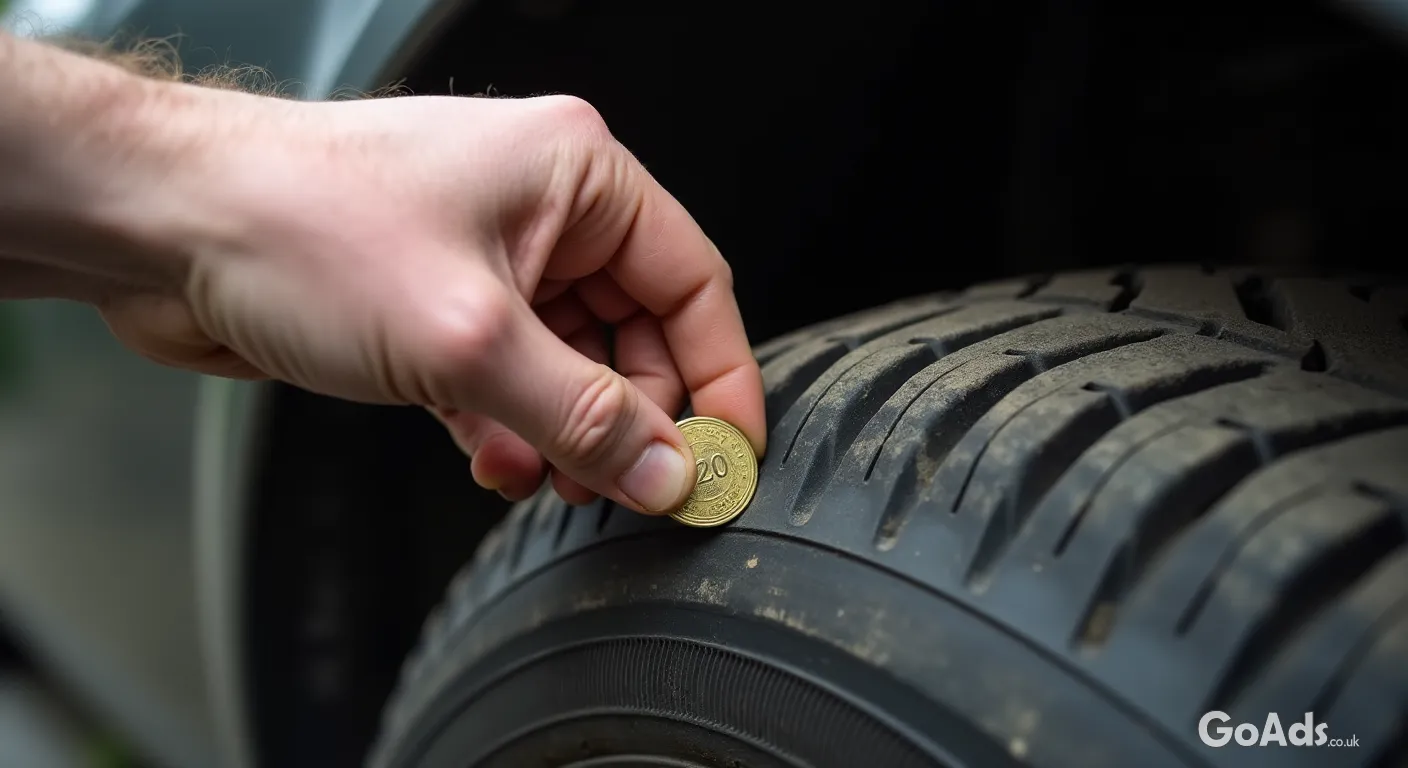
Tyres are your only contact with the road, so testers are strict about them. The legal limit is 1.6mm across the central three-quarters of the tread. An easy way to check is to take a 20p coin and insert it into the main tread grooves. If you can't see the outer rim of the coin, you are above the legal limit. While you're down there, check the sidewalls for any bulges or nasty cuts. If you need more expert advice on maintaining your ride, check out our cars and vehicles section for more deep dives.
The Essential Pre-Test Checklist
Check all seatbelts for fraying and ensure they click securely into place.
Give the horn a quick blast – it needs to be loud and clear.
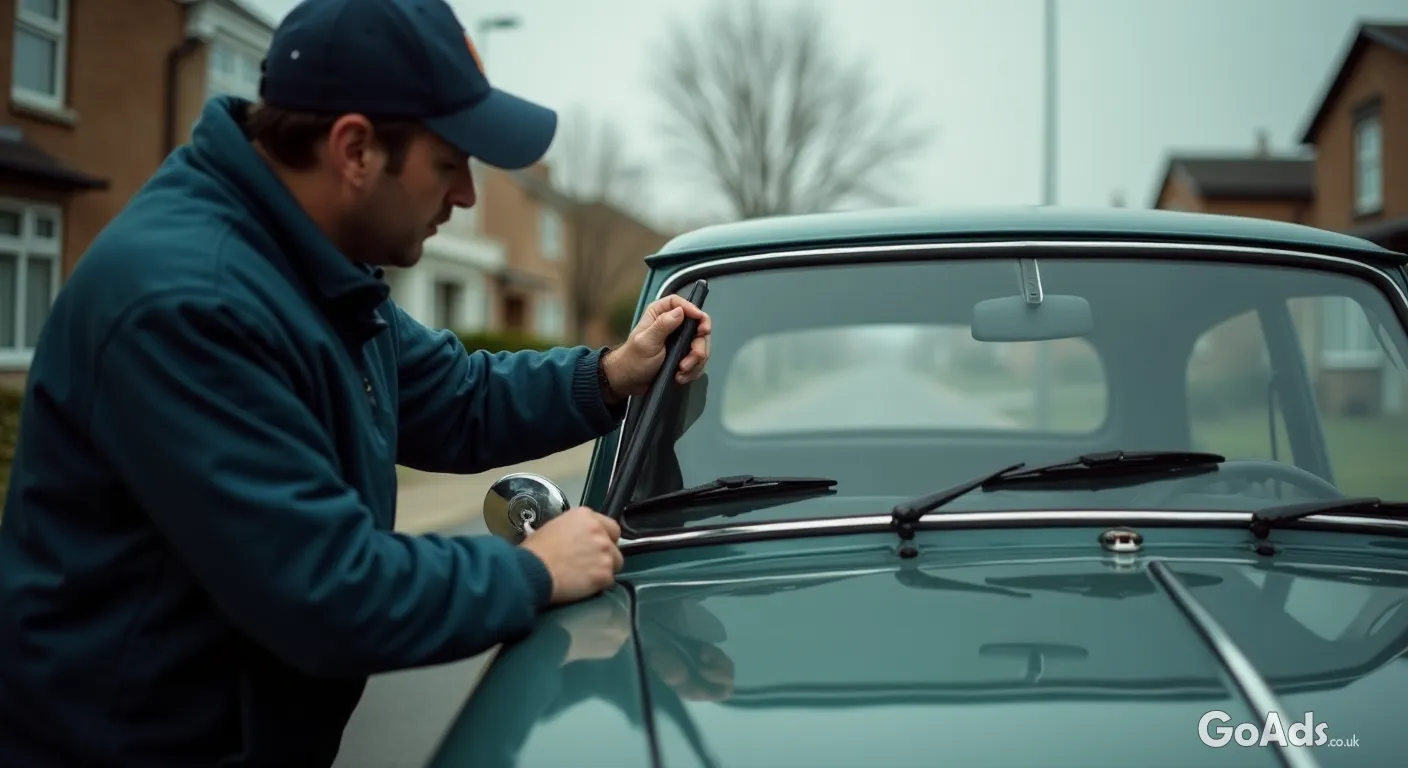
Top up your screenwash and check that the wipers actually clear the glass without smearing.
Make sure your number plates are clean and easy to read.
Check your mirrors are secure and the glass isn't cracked.
Visibility is Key
A chipped windscreen is a classic "gotcha" during the MOT. If there is a chip larger than 10mm in the "Zone A" (the bit right in front of the driver), it is an automatic fail. Smaller chips elsewhere can pass, but it is always better to get them filled before they turn into cracks. Also, remove any bulky air fresheners or sat-nav mounts that might be blocking your view of the road.
Fluid Levels and Warnings
Make sure your oil and coolant are topped up, but also pay attention to your dashboard. If your engine management light, ABS light, or airbag warning light stays on after you start the car, you are looking at a fail. These systems are critical for safety, and the tester won't overlook them. If you aren't confident diagnosing these yourself, seeking professional help for the trickier bits by checking out local vehicle service experts can save you a headache later.
Did you know? A dirty car can actually be refused a test. If the tester can't access the interior or the underside because of excessive mud or clutter, they can turn you away. Give it a quick hoover!
The "Hidden" Failures
Check your fuel cap. Does it seal properly? If the rubber seal is perished or the cap doesn't click shut, it is a safety hazard. Also, check your seats – the driver's seat must be able to adjust fore and aft and lock into position. These small mechanical details are perfect for those who enjoy DIY projects around the house and garage, as they often just need a bit of lubricant or a minor adjustment.
On the morning of the test, do one final walk-around. Check your tyre pressures (the correct figures are usually in the door shut or fuel cap) and make sure your brake lights are still working. It only takes five minutes, but it could be the difference between a "Pass" and a costly "Refusal to Test".
Knowing Your Limits
While DIY checks are great for the basics, don't be afraid to admit when a job is too big. Braking systems, suspension components, and emissions issues usually require specialist tools and knowledge. Being proactive with the easy stuff just means you have more budget left over if the garage does find something serious. Stay safe on the roads and good luck with that certificate!









 Secure buying and selling
 Terms of Use
 GoAds.co.uk Facebook