Hauling with Confidence: A Beginner's Guide to Towing Safely in the UK
Cars & Vehicles
📅 2026. 03. 28.
Ready to hit the open road with a caravan or trailer? Here is everything you need to know about weights, towbars, and the legal bits to keep your adventure stress-free.
The Freedom of the Hitch
There is something uniquely British about the call of the open road, especially when you have got your own mobile holiday home or a trailer full of gear behind you. But if you have never towed anything before, the prospect of hitching up several tonnes of metal to your pride and joy can be a bit daunting. Whether you are moving house or heading to the coast, getting the basics right is the difference between a relaxing trip and a motorway nightmare. If you are just starting out, browsing for used trailers and towing equipment is a great way to get kitted out without spending a fortune.
Know Your Weights (The Boring but Vital Bit)
Before you even look at a towbar, you need to check your car's logbook (V5C). Look for the "Gross Train Weight" (GTW) – this is the maximum allowed weight of your car and trailer combined. You also need to know your car's "Kerb Weight". A golden rule for beginners is the 85% guideline: the loaded weight of your trailer should ideally not exceed 85% of your car's kerb weight. It keeps the "tail from wagging the dog" when you hit a crosswind on the A1.
"Towing isn't just about power; it's about control. Always prioritise stability over speed, and remember that your braking distance has just doubled."
Choosing the Right Towbar
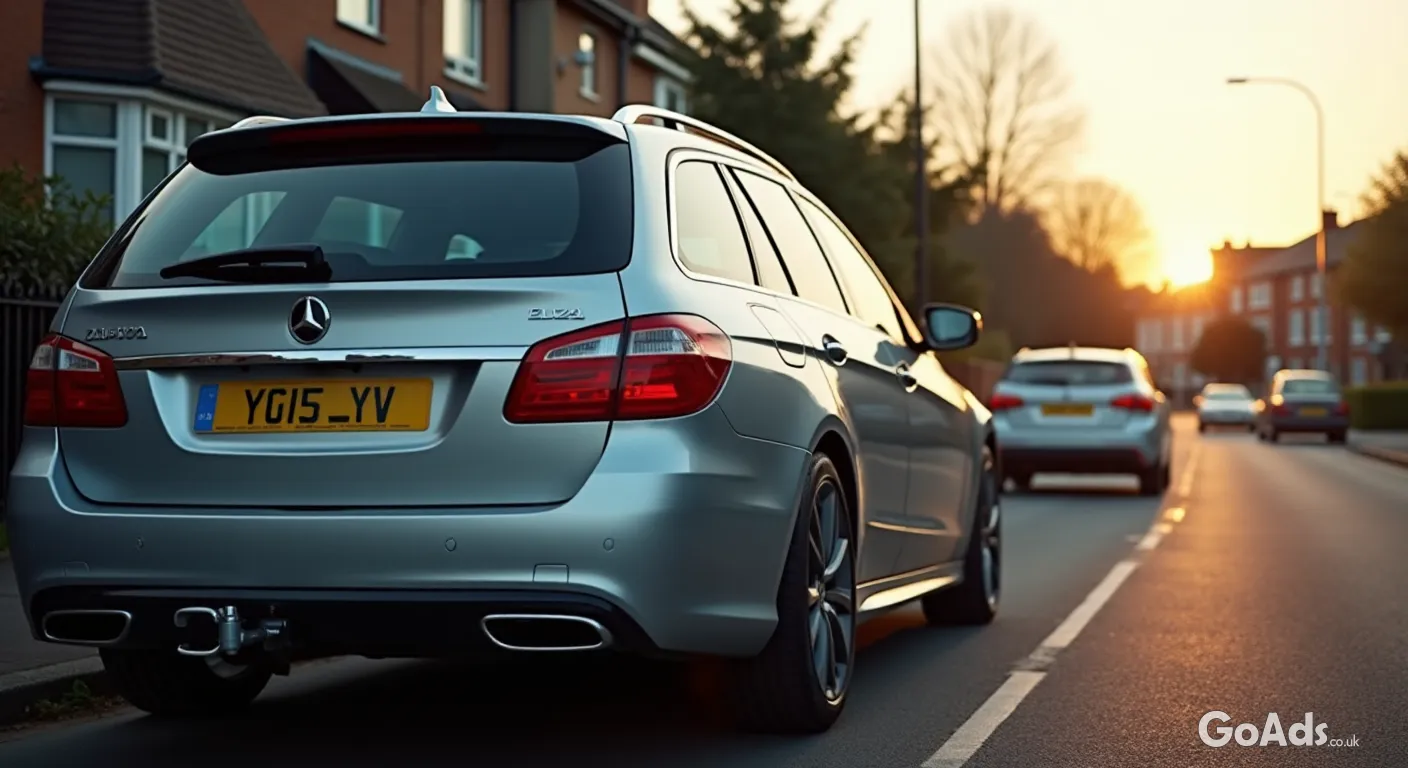
Not all hitches are created equal. You will likely choose between a fixed flange towbar (the classic UK style) or a detachable swan neck. Fixed bars are rugged and great for mounting cycle carriers, while detachable ones keep your car looking sleek when you aren't hauling anything. Don't forget the electrics! Modern trailers use a 13-pin plug that handles everything from indicators to powering the caravan fridge. You might need specific towing mirrors and electrical kits to stay legal and safe on the road, especially if your trailer is wider than your car.
The Pre-Journey Hitch-Up Checklist
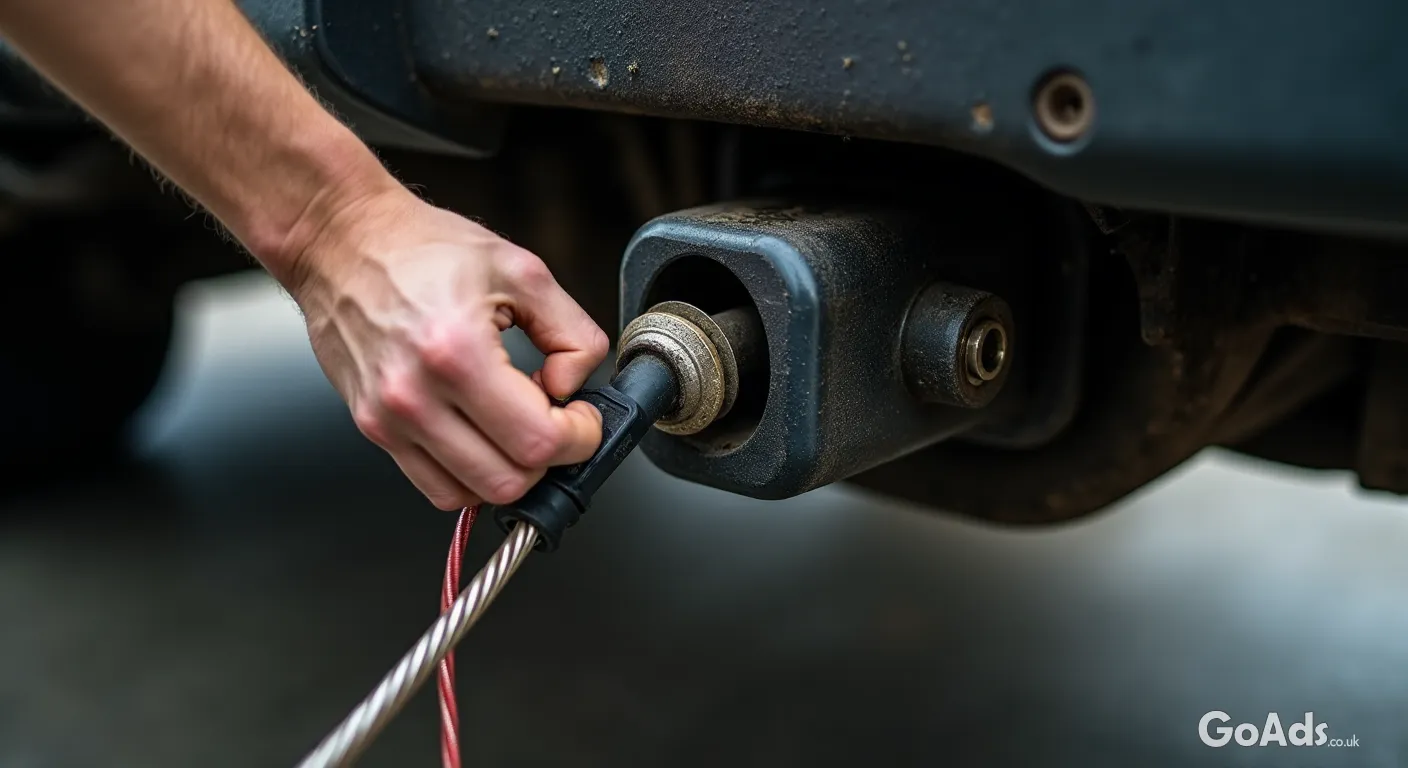
Check the breakaway cable: This is your emergency safety net if the hitch fails.
Test all lights: Have a partner stand behind while you check brakes, indicators, and hazards.
Tyre pressures: Remember to adjust your car's rear tyre pressures to the "fully loaded" setting found in your manual.
Noseweight: Use a simple gauge to ensure the trailer isn't putting too much (or too little) downward pressure on the towball.
On the Road: Slow and Steady
The biggest shock for new towers is how much longer the vehicle feels. Give yourself extra room at junctions and take corners wider than usual to avoid kerbing the trailer wheels. In the UK, the speed limit for towing is 60mph on dual carriageways and motorways, and 50mph on single carriageways. Stay in the left-hand lanes and keep a keen eye on your mirrors. For more advice on vehicle prep, don't forget to check our Cars & Vehicles section for expert maintenance tips.
The Art of Reversing
Reversing a trailer is the ultimate test of patience. The secret? Small movements. Remember that the trailer will move in the opposite direction to your steering wheel at first. Find an empty car park on a Sunday morning and practice until it becomes second nature. Once you have mastered the reverse-park into a tight camping pitch, you can officially call yourself a pro!










 Secure buying and selling
 Terms of Use
 GoAds.co.uk Facebook