The Used EV Buyer's Handbook: Decoding Battery Health and Charging Habits
Cars & Vehicles
📅 2026. 03. 16.
Thinking of making the switch to electric but worried about battery life? Here is how to spot a gem and avoid a lemon when browsing the second-hand market.
The New Frontier of Second-Hand Car Buying
Gone are the days when the only things you needed to worry about were the cambelt and the service stamps. As we move towards a greener future, the used car market is being flooded with some fantastic electric options. However, buying a pre-loved EV requires a slightly different mindset compared to your traditional petrol or diesel runabout. The heart of the machine isn't a complex internal combustion engine anymore—it's the battery pack.
Understanding State of Health (SOH)
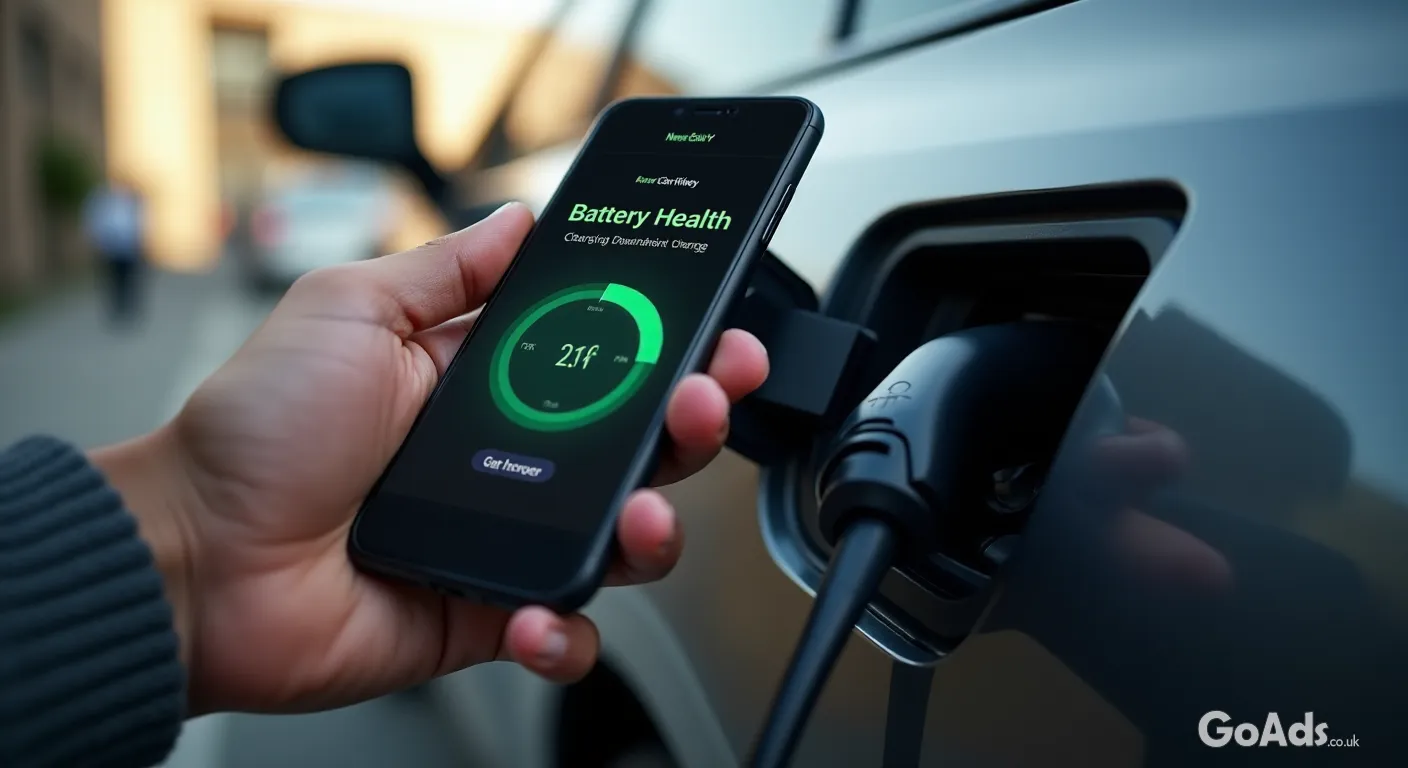
When you are browsing used electric vehicle listings, the term you need to look out for is "State of Health" or SOH. This is a percentage that represents how much energy the battery can hold compared to when it was brand new. Most EVs will lose a tiny bit of capacity every year, but it is rarely a deal-breaker. A car with 90% SOH after five years is doing brilliantly, whereas anything below 75% might mean you will be stopping at chargers more often than you would like.
Pro Tip: Always ask the seller for a battery health report. Many modern EVs can generate this through the infotainment system, or a local garage can plug in a diagnostic tool to give you the exact percentage.
The "Guess-o-meter" vs. Reality
When you hop in for a test drive, don't take the range displayed on the dashboard as gospel. We call this the "guess-o-meter" because it calculates range based on the last few miles of driving. If the previous owner was booting it down the dual carriageway, the range will look low. If they were crawling through city traffic, it might look deceptively high. Instead, look at the battery percentage and the total mileage to get a feel for the real-world efficiency.
What to Check During the Inspection
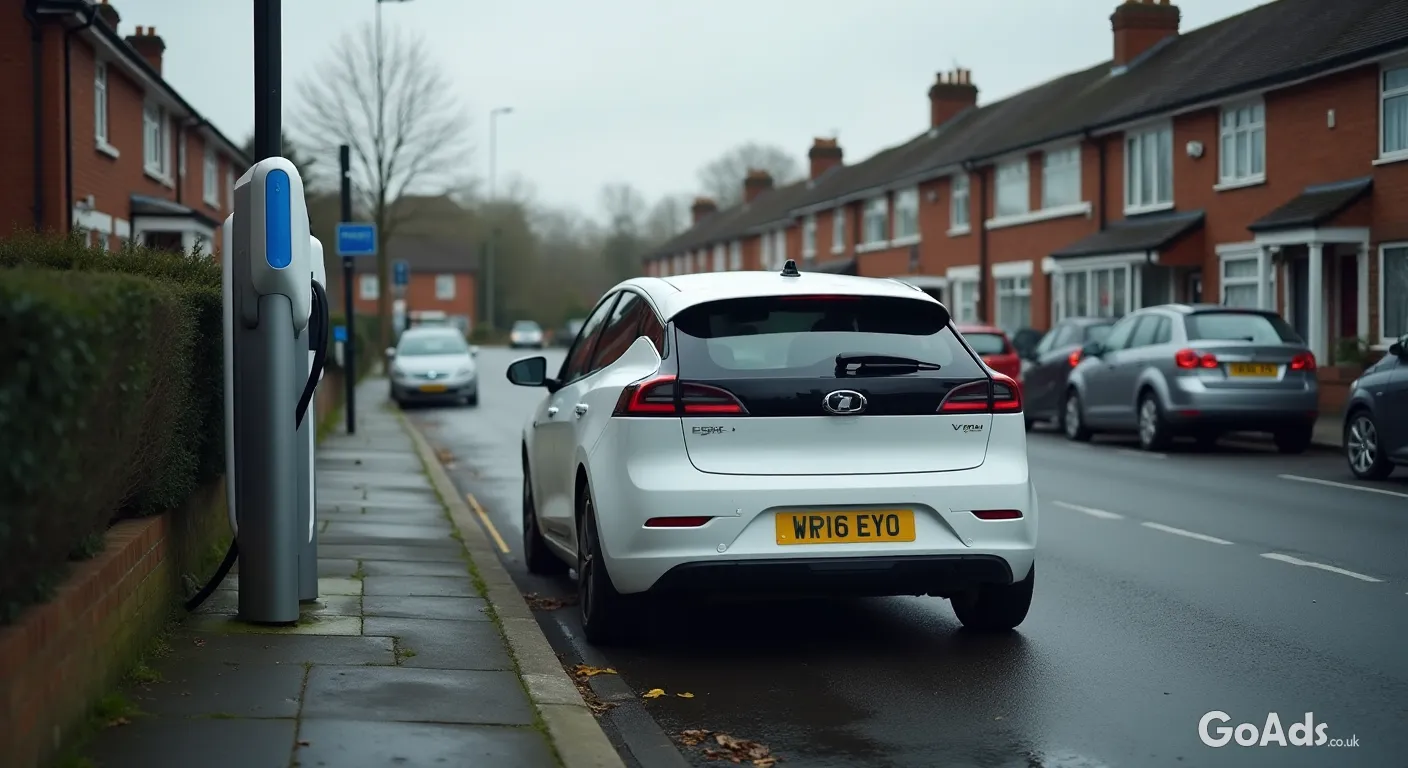
The Charging Port: Check for any signs of scorching, cracked plastic, or debris inside the socket. It should feel firm when you plug a cable in.
Cables: Ensure the car comes with both a Type 2 cable (for public points) and a 3-pin "granny" charger for home use. Replacing these can cost hundreds of pounds.
Tyre Wear: EVs are heavy and have instant torque. Check the inner edges of the tyres, as they can wear out faster than on a standard car.
Suspension: Listen for knocks or creaks. The extra weight of the batteries puts more strain on the bushes and shocks.
The Rapid Charging Trap
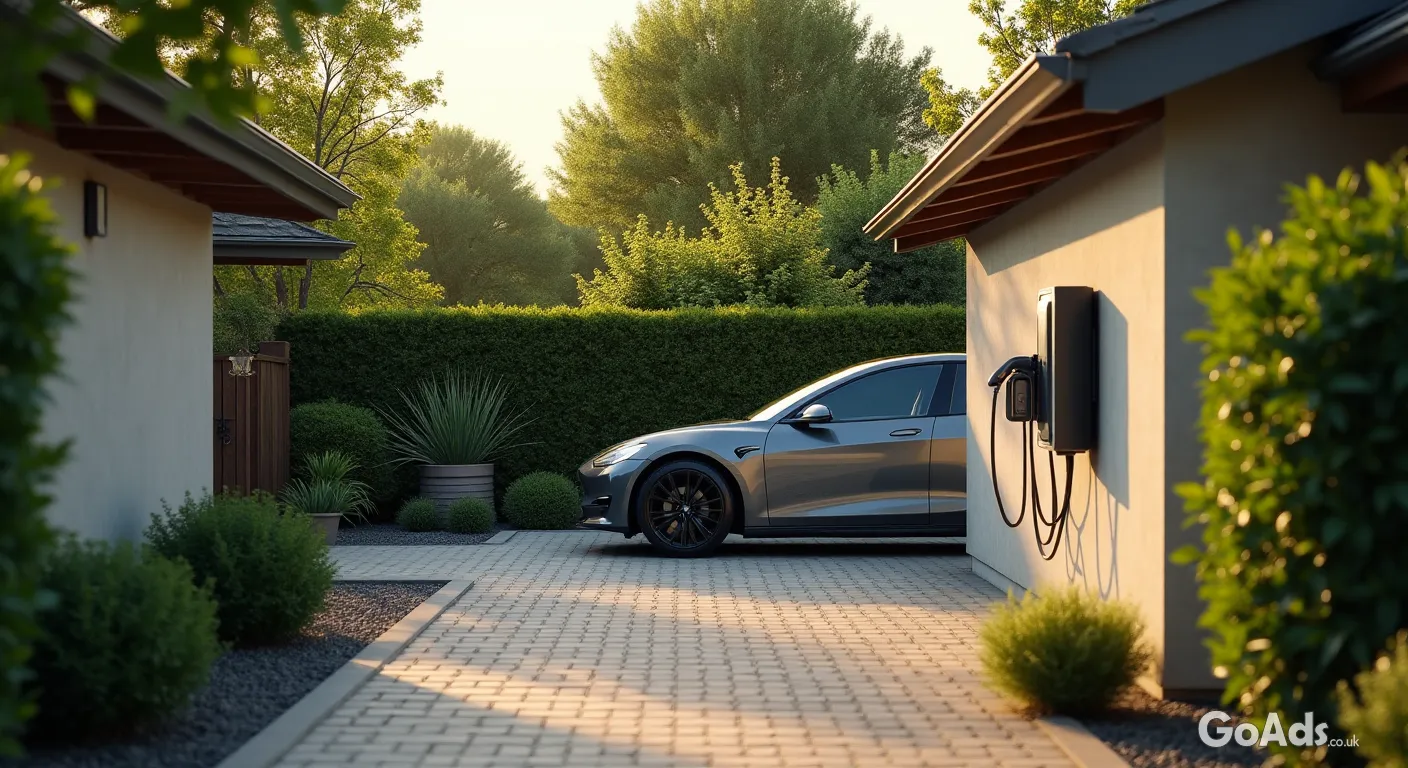
It is worth asking the seller about their charging habits. A car that has been exclusively "rapid charged" at motorway stations might have a slightly more degraded battery than one that has spent its life being slowly topped up overnight on a driveway. Rapid charging generates heat, and heat is the enemy of long-term battery chemistry. A mix of both is perfectly normal, but a pampered battery is always a better bet.
Software Matters
Unlike traditional cars, EVs are essentially computers on wheels. Check if the car has received all its "Over-the-Air" (OTA) updates. These updates can often improve battery management systems, increase charging speeds, or even add a few miles of range. If the car doesn't support OTA updates, check the service history to ensure the dealer has manually updated the firmware during its annual check-up.
Don't forget to check the warranty! Many manufacturers offer a separate 8-year or 100,000-mile warranty specifically for the battery, which can give you massive peace of mind.
Is it Time to Plug In?
Buying a used EV is one of the smartest moves you can make right now, both for your wallet and the planet. By focusing on battery health rather than just the odometer, you can find a vehicle that will serve you faithfully for years to come. For more deep dives into the world of motoring and smart buying tips, be sure to keep an eye on our Cars & Vehicles section for the latest updates and advice.









 Secure buying and selling
 Terms of Use
 GoAds.co.uk Facebook