The Jewellery Box Audit: How to Refresh, Repair, and Resell Your Sparkle
Fashion & Clothing
📅 2026. 04. 12.
Is your jewellery box a tangled mess of "mystery" metals and broken clasps? Learn how to audit your collection to find hidden value and give your accessories a new lease of life.
The Hidden Goldmine in Your Bedside Drawer
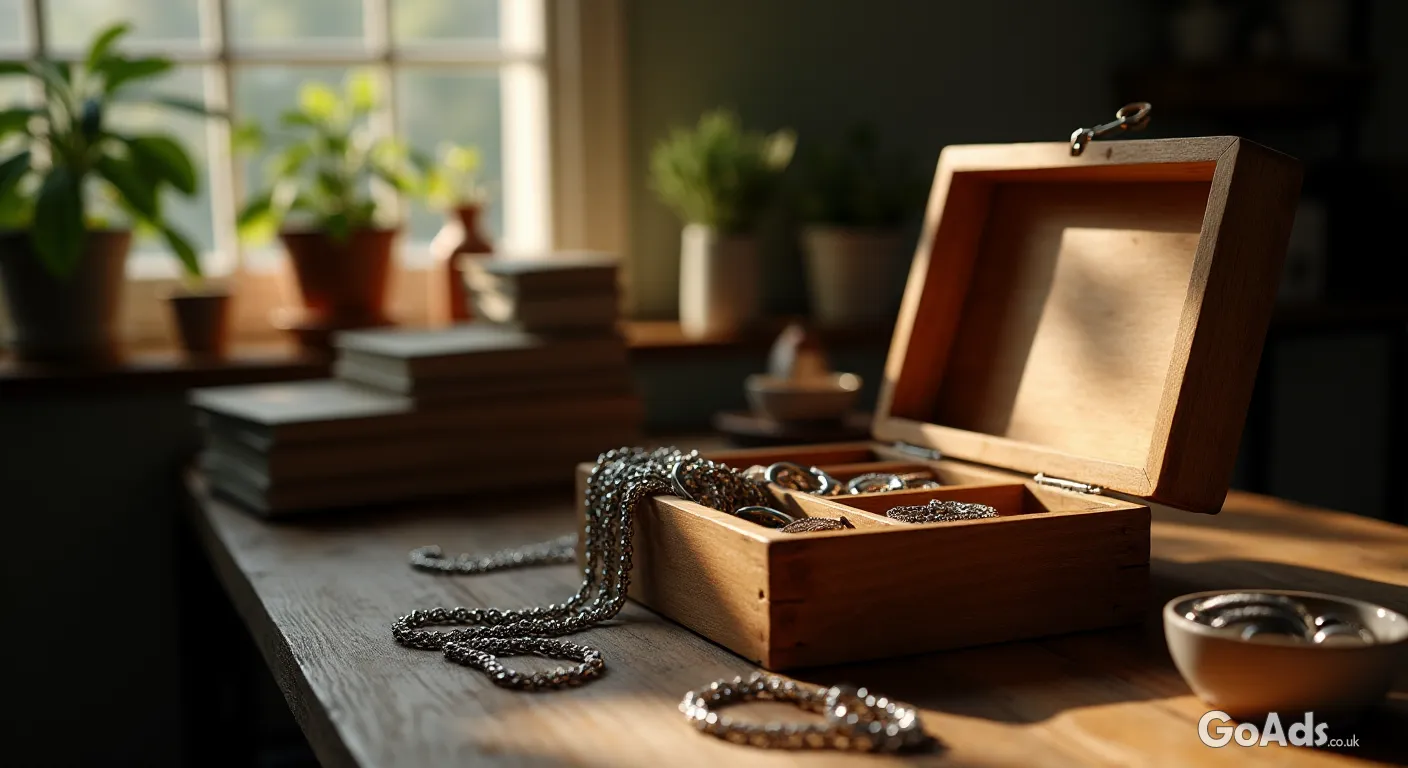
Have you ever looked into your jewellery box and felt a pang of guilt at the tangled heap of silver chains and lonely earrings? You aren't alone. Most of us treat our accessories as an afterthought, yet they often hold the highest emotional—and financial—value in our wardrobes. A proper audit isn't just about tidying up; it is about rediscovering pieces you love, identifying what needs a professional touch, and clearing out the items that no longer serve your style. Whether you are looking for a statement piece or considering selling, finding a unique pre-loved treasure in the jewelry category is often more rewarding than buying mass-produced high-street items.
Step 1: The Great Untangling
Start by tipping everything out onto a soft, light-coloured surface like a white towel. This prevents small stones from bouncing away and makes it easier to see hallmarks. Sort your items into three distinct piles: the "Daily Drivers" (things you wear every week), the "Sentimental Sleepers" (heirlooms you keep but don't wear), and the "Unknowns" (tarnished bits, broken chains, and "is this actually gold?" mysteries).
How to Identify Your Metals
The Magnet Test: Real gold and silver are not magnetic. If your "gold" chain jumps to a magnet, it is likely plated steel or nickel.
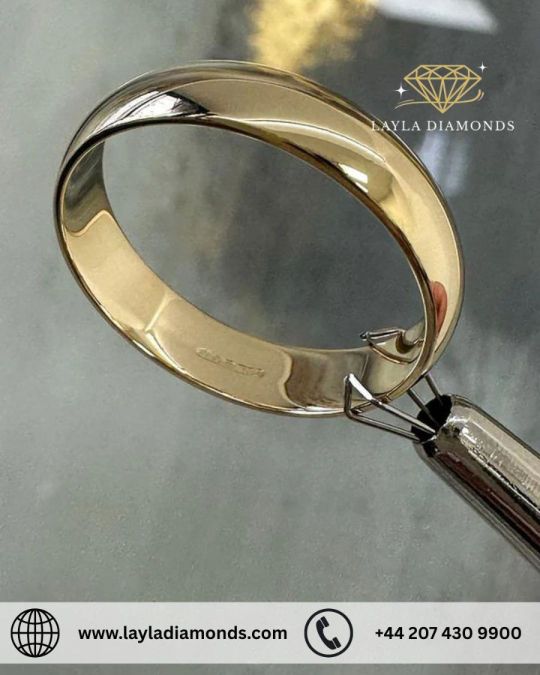
Look for the Hallmarks: Use a magnifying glass or your phone's macro camera to look for numbers like 375 (9ct gold), 750 (18ct gold), or 925 (sterling silver).
Check the Weight: Precious metals are denser than base metals. If a chunky "gold" bracelet feels light as a feather, it is probably costume jewellery.
"A well-maintained accessory can last several lifetimes. Refreshing what you already own is the ultimate form of sustainable fashion."
Step 2: The Home Spa Treatment
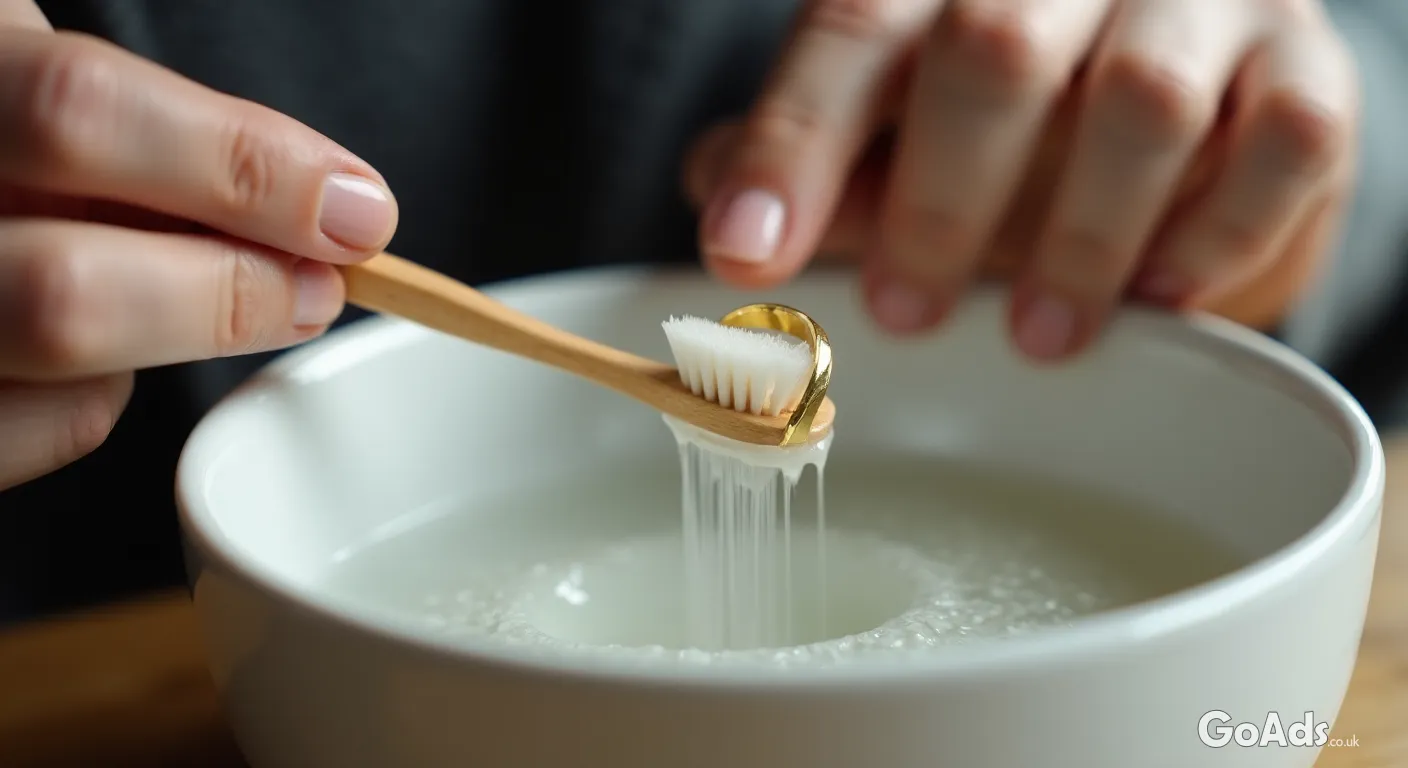
Before you decide to sell or bin something because it looks "dull," give it a gentle clean. For most gold and silver pieces, a drop of mild dish soap in lukewarm water and a very soft toothbrush will work wonders. Avoid harsh chemicals on porous stones like opals or pearls, as these can be permanently damaged by acids or even tap water. Once cleaned, you might find that an old pendant looks brand new, fitting perfectly into a modern wardrobe as part of a broader commitment to sustainable living by reducing new consumption.
Step 3: Repair or Resell?
Don't let a broken clasp or a missing earring butterfly stand in your way. Many local jewellers can fix a basic chain break for a small fee, which instantly restores the item's value. However, if you find pieces that simply don't fit your aesthetic anymore, consider reselling them. The market for vintage and pre-loved accessories is booming, especially for items with character that can't be found in modern shops. Be honest about the condition, take clear photos of the hallmarks, and you might just fund your next favourite find.
Pro Tips for Selling Your Pre-loved Bling
Natural Light is King: Take photos near a window but not in direct, harsh sunlight to avoid distracting glares.
Be Specific: Mention the length of chains and the size of rings in your description to save time for both parties.
Show the Hallmarks: A clear photo of the stamp is the best way to build trust with a potential buyer.
The Result: A Curated Collection
By the end of your audit, your jewellery box should feel like a curated boutique rather than a junk shop. You will have a clear idea of what you own, what needs a bit of TLC, and what can be passed on to someone else who will cherish it. Remember, style isn't about how much you have, but how well you care for and wear the pieces that mean something to you.








 Secure buying and selling
 Terms of Use
 GoAds.co.uk Facebook