The Savvy Sartorialist: How to Spot High-Quality Tailoring in Pre-loved Finds
Fashion & Clothing
📅 2026. 04. 24.
Learn how to distinguish between fast-fashion replicas and genuine craftsmanship when browsing second-hand listings. Master the art of the pinch test and fabric identification.
The Secret to a Timeless Wardrobe
We've all been there: scrolling through endless listings, trying to figure out if that "vintage" blazer is a genuine heirloom or just a tired high-street reject. The beauty of the pre-loved market is that it allows us to access high-end tailoring that would usually be well out of reach. However, to find the real gems, you need to look beyond the brand name. When you browse through the fashion and clothing ads, your goal is to find pieces that were built to last, not just to look good for a season.
The Fabric First Rule
Before you even look at the cut, look at the composition label. High-quality tailoring almost exclusively uses natural fibres. Wool, silk, linen, and cashmere are your best friends. They breathe better, age more gracefully, and can be professionally cleaned and repaired. If a "luxury" coat is made of 80% polyester, it doesn't matter how good the brand is—it won't stand the test of time. Spotting these materials is a key part of sustainable living, as it reduces the demand for plastic-based fast fashion.
Materials to Hunt For
Merino and Lambswool: Look for a soft hand-feel and a tight weave.
Heavyweight Linen: Perfect for summer blazers; it should feel substantial, not flimsy.
Silk Linings: A hallmark of high-end tailoring that feels cool against the skin.
Cotton Twill: Essential for durable, classic trench coats and trousers.
Master the "Pinch Test"
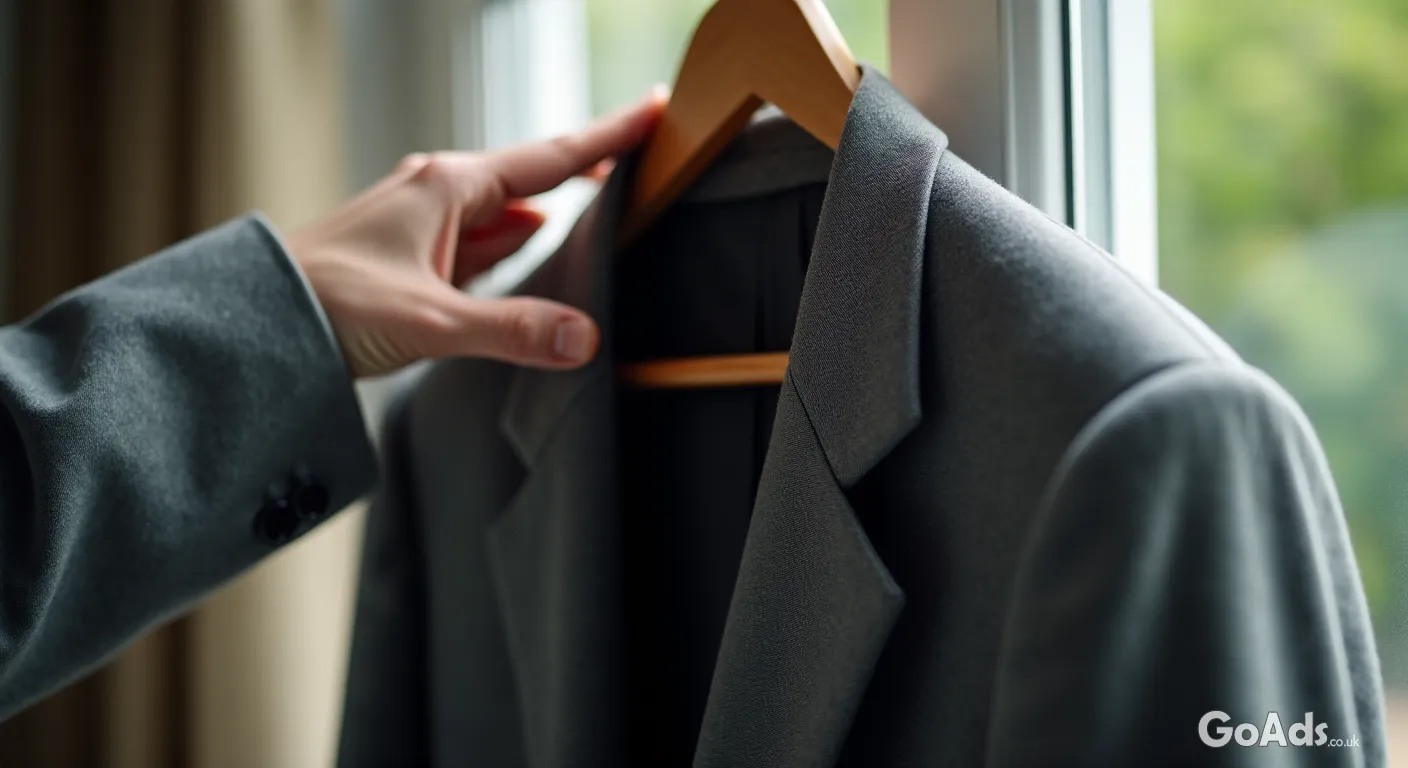
One of the best-kept secrets of tailoring is the "canvas." High-quality jackets have a layer of horsehair canvas between the outer fabric and the lining to give it shape. Cheaper jackets use a fused (glued) interlining that can bubble over time. If you are viewing a piece in person, pinch the fabric near the chest area. If you can feel a third layer moving independently between the outer fabric and the lining, you've found a "full canvas" or "half canvas" garment—a sign of true luxury.
"Price is what you pay; value is what you get. A well-tailored second-hand coat can outlive three brand-new budget versions."
Hardware and Finishing Touches
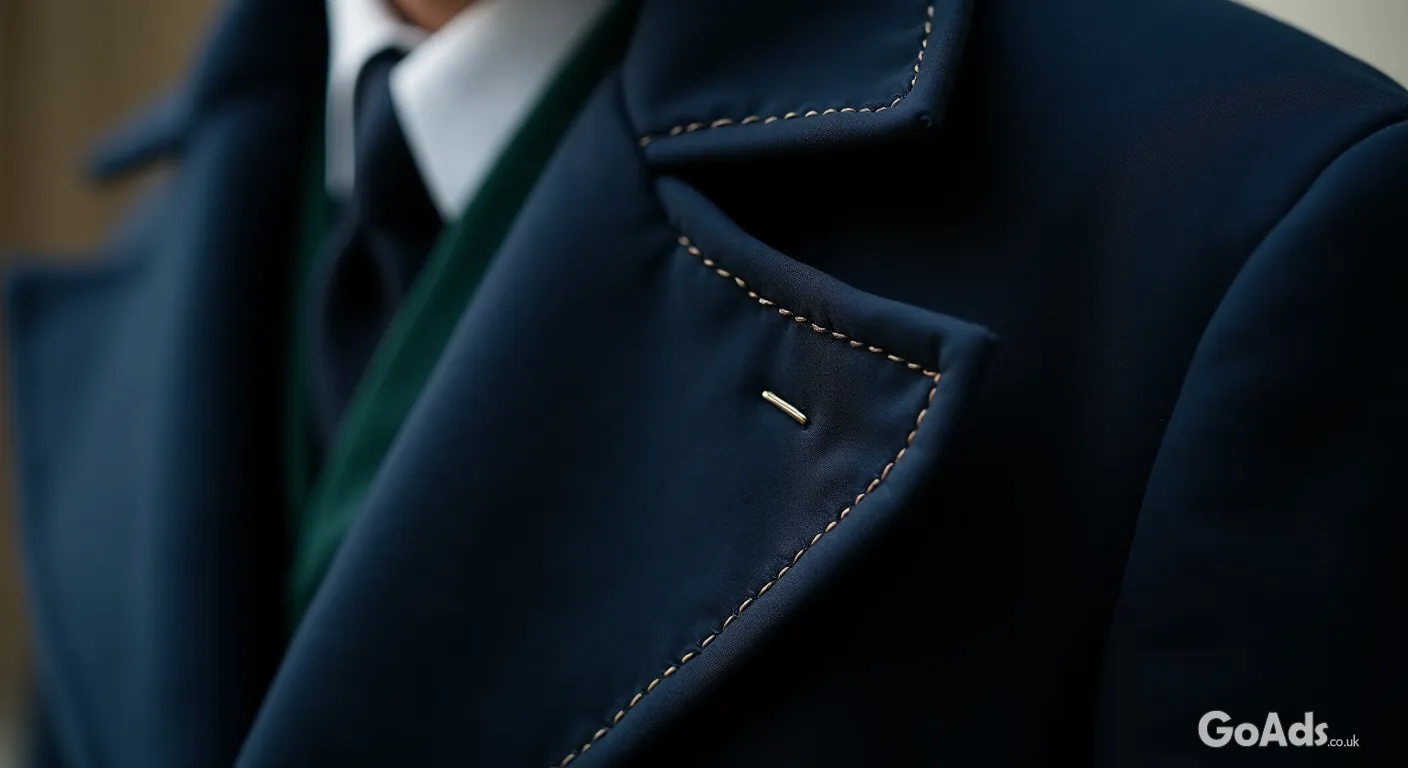
Don't forget to zoom in on the photos of buttons and zips. Real horn or mother-of-pearl buttons are a massive green flag. They have a depth of colour and a weight that plastic cannot replicate. Check the buttonholes too; if they are slightly irregular or "puffy," they might be hand-stitched, which is a sign of bespoke or high-end ready-to-wear craftsmanship. You can find more tips on identifying these details in our dedicated fashion and clothing magazine section.
The Alteration Potential
When buying pre-loved, remember that a perfect fit is rare, but a good tailor can work wonders. Look for "seam allowance"—extra fabric inside the seams that allows a garment to be let out. High-quality trousers and jackets usually have an inch or two of extra fabric for this exact reason. If a piece is slightly too large but the shoulders fit perfectly, it's almost always worth the investment, as the waist and sleeves are easy fixes.
Happy Hunting
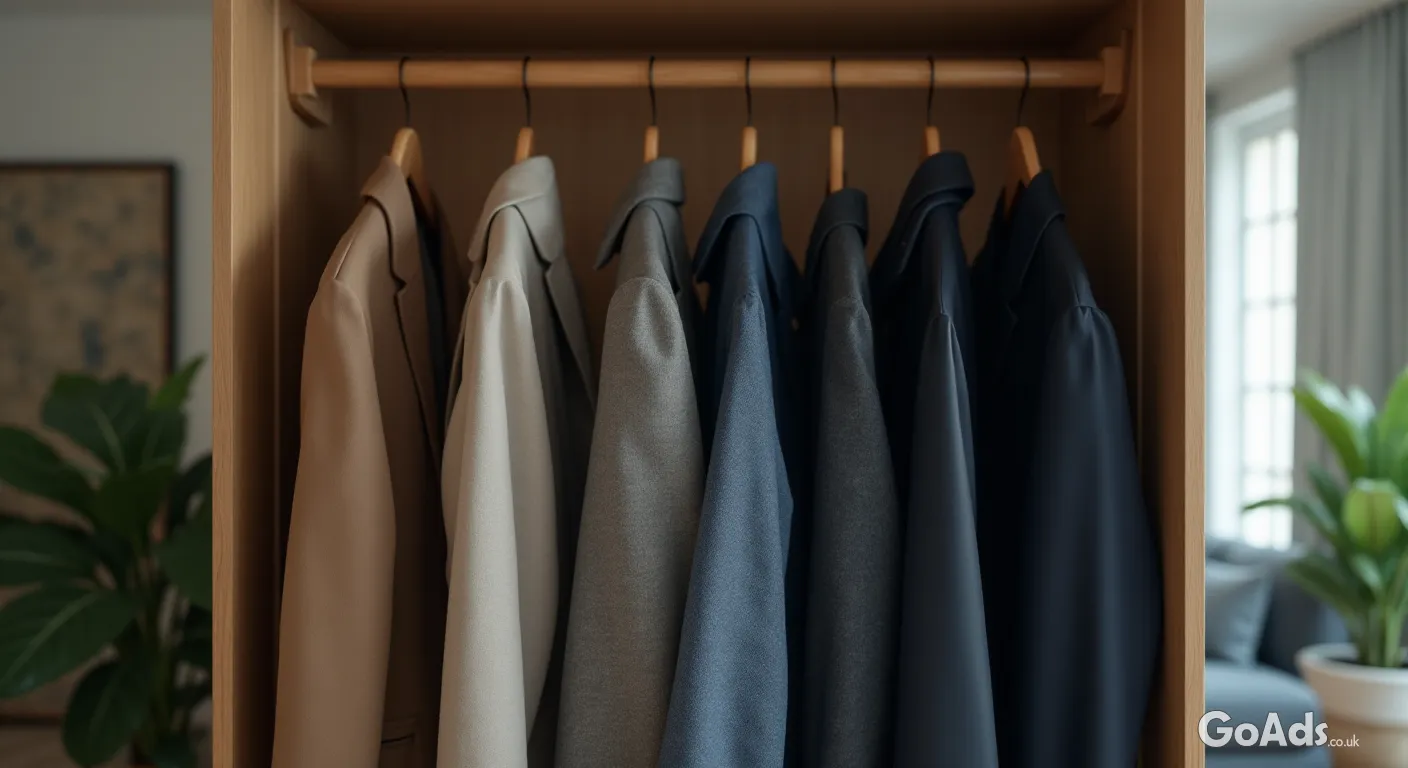
Building a wardrobe of high-quality tailoring takes patience, but the rewards are worth it. You'll end up with a collection of clothes that fit better, look sharper, and carry a story. Next time you see a listing that catches your eye, use these tips to vet the quality and ensure you're getting a piece that will remain a staple in your rotation for years to come.









 Secure buying and selling
 Terms of Use
 GoAds.co.uk Facebook