Hedgehog Highways and Bee Buffets: Your Guide to a Wildlife-Friendly Garden
Garden & Home Improvement
📅 2026. 03. 31.
Transforming your outdoor space into a sanctuary for local wildlife doesn't require a massive budget. Discover how to create hedgehog highways and bug hotels using simple DIY techniques.
The Joy of a Living Garden
There is something incredibly rewarding about looking out of your window and seeing more than just a manicured lawn. In recent years, British gardeners have shifted their focus from "perfection" to "purpose." Creating a wildlife-friendly space isn't just about being eco-conscious; it is about bringing your garden to life with the hum of bees and the rustle of hedgehogs. The best part? You can achieve this with a few basic hand tools and a bit of weekend enthusiasm.
The Hedgehog Highway: Connecting the Neighbourhood
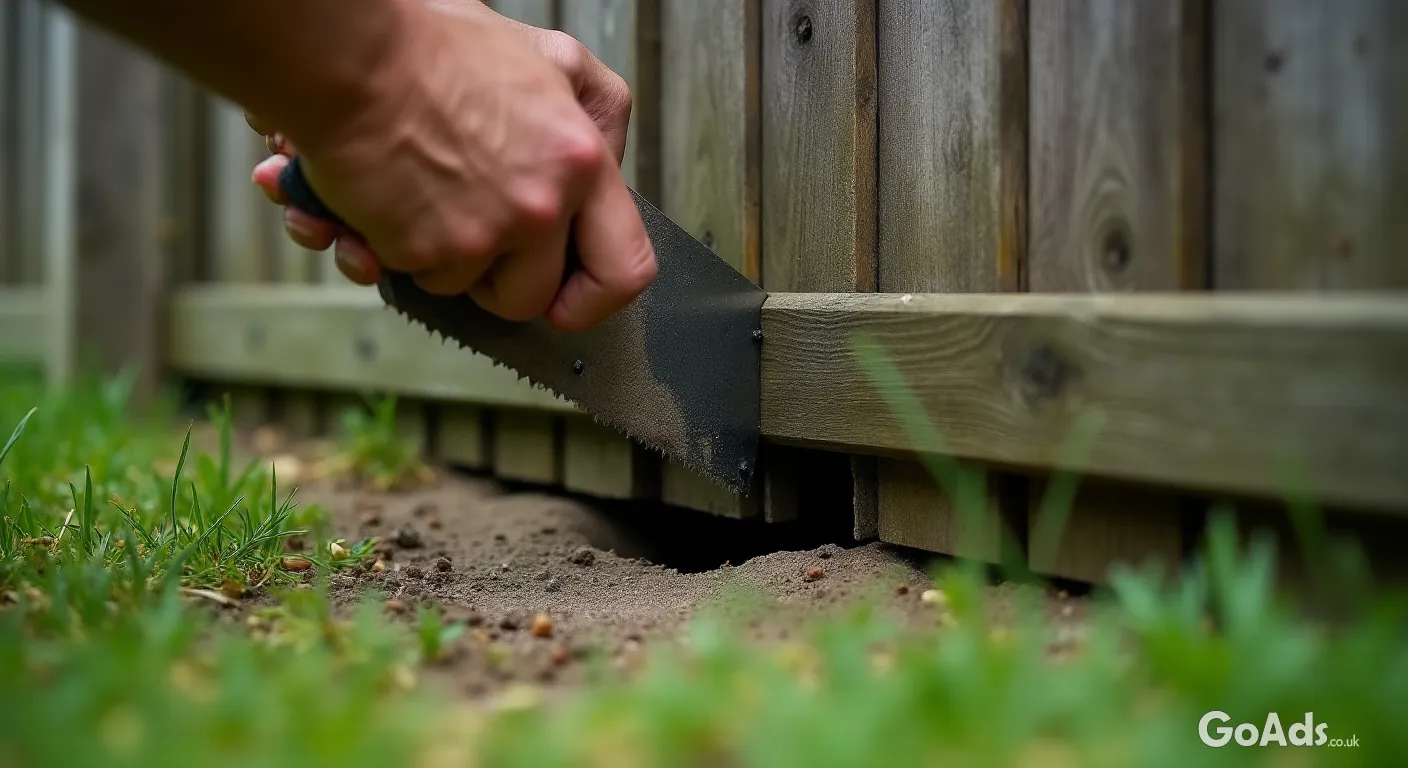
Hedgehogs can travel up to two kilometres a night looking for food and mates, but our modern, secure fences often block their path. A "Hedgehog Highway" is simply a 13cm x 13cm hole at the base of your fence that allows them to pass through safely. It is a small change for you, but a world of difference for them. If you are handy with a saw or a drill, this is one of the most impactful DIY projects you can undertake this season.
"A garden without wildlife is like a house without furniture – it might look tidy, but it lacks soul and warmth."
Building a Five-Star Bug Hotel
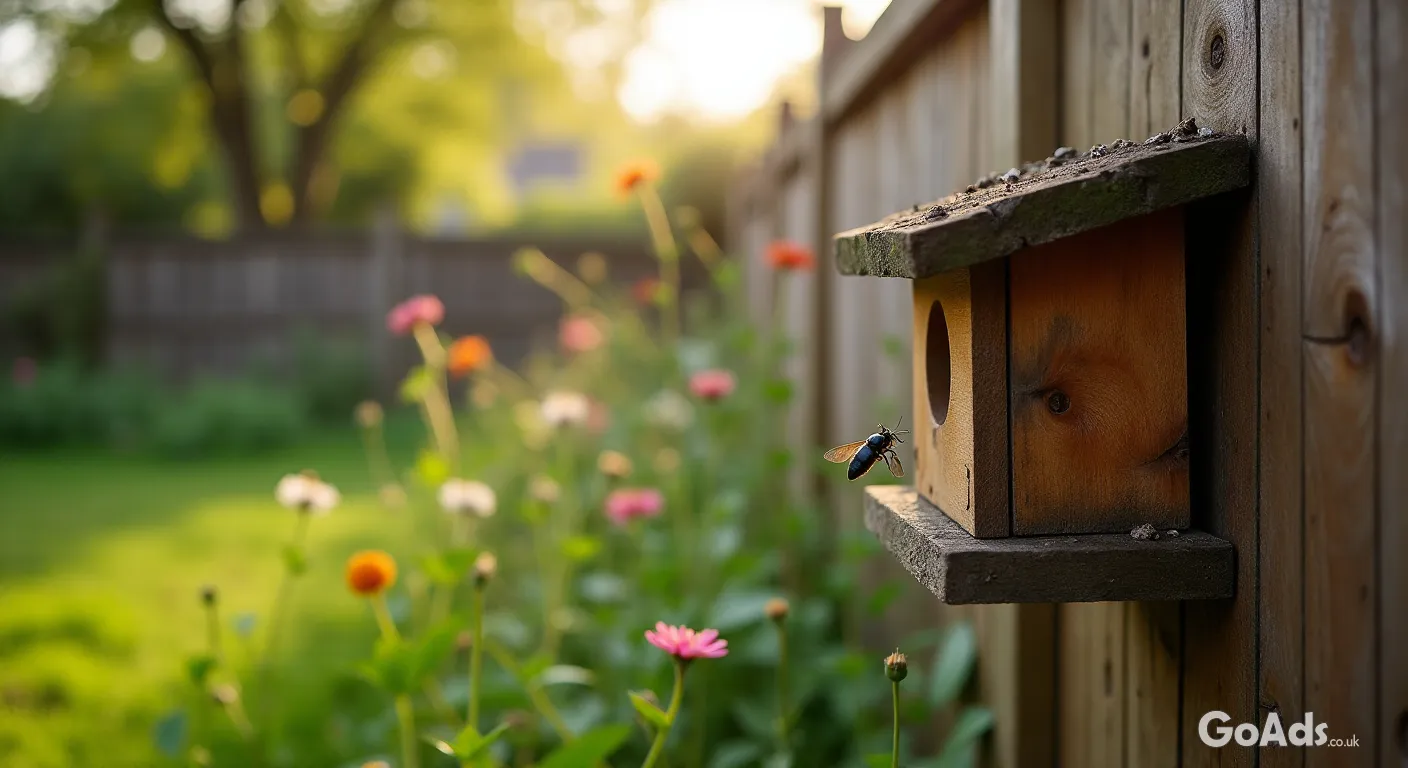
Insects are the unsung heroes of our gardens, pollinating plants and keeping pests in check. You don't need to buy an expensive kit to give them a home.
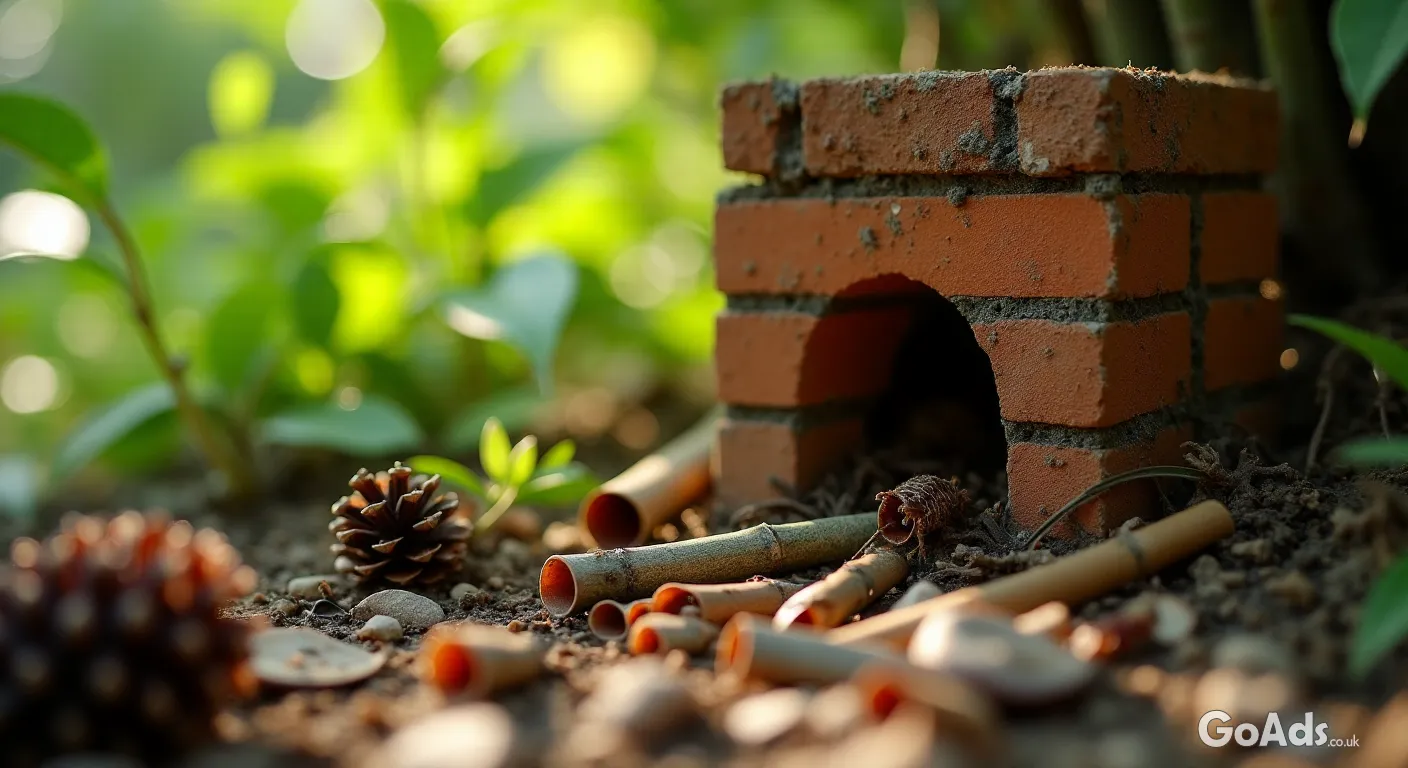
The Foundation: Use old wooden pallets or reclaimed bricks to create a sturdy frame.
The Filling: Stuff the gaps with hollow bamboo canes, dry straw, pinecones, and rolled-up cardboard.
The Location: Place your hotel in a sheltered spot, ideally near some nectar-rich flowers.
The Finish: Add a bit of old roofing felt or a piece of slate on top to keep the internal "rooms" dry.
Planting for Pollinators
If you want to see your garden buzzing with life, you need to provide a buffet. Opt for native British wildflowers like Foxgloves, Lavender, and Buddleia. These plants are hardy, beautiful, and act as a magnet for bees and butterflies. Embracing a more natural planting style is a key pillar of sustainable living, as it reduces the need for chemical fertilisers and excessive watering.
The "Wild Corner" Philosophy
Sometimes, the best thing you can do for nature is... nothing at all. Designating a small "wild corner" where you let the grass grow long and leave a pile of logs to rot provides essential shelter for frogs, toads, and beetles. It saves you time on the mower and gives the local ecosystem a massive boost. Just remember to keep a shallow dish of water out during dry spells – a simple saucer with a few stones in it (so insects don't drown) can be a literal lifesaver.
Safety First for Your Wild Guests
When you are making your garden more accessible, safety is paramount. Always check for nesting birds before pruning hedges, and if you use a pond, ensure there is a ramp or a shallow edge so creatures can climb out. Creating a sanctuary is a journey, not a destination, so take it one step at a time and enjoy the visitors that start to call your garden home.











 Secure buying and selling
 Terms of Use
 GoAds.co.uk Facebook