The Low-Water Lush: How to Create a Stunning Drought-Resistant Gravel Garden
Garden & Home Improvement
📅 2026. 04. 01.
Discover how to transform your outdoor space into a low-maintenance, Mediterranean-inspired oasis that thrives even during dry spells.
Why Gravel is the New Green
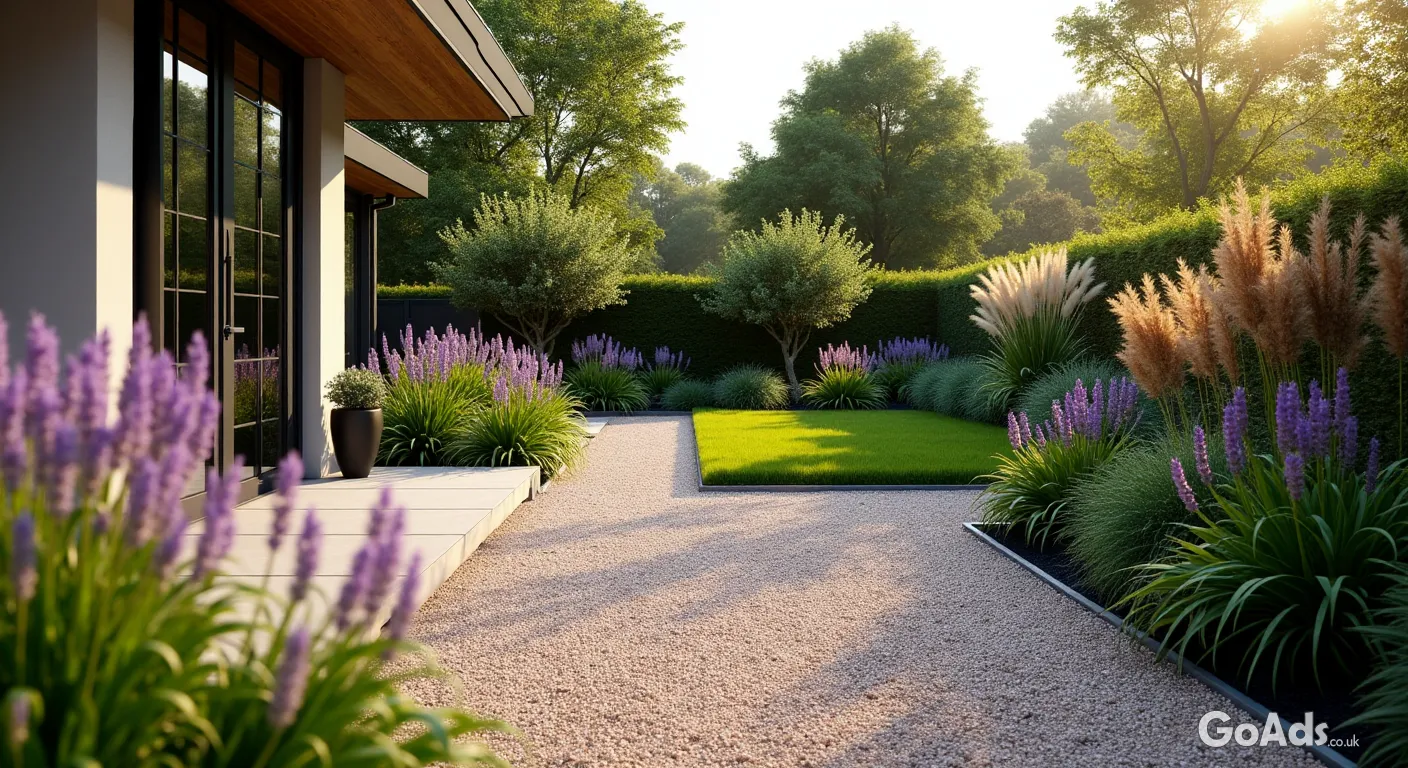
With our weather patterns becoming increasingly unpredictable, many of us are looking for ways to keep our gardens looking lush without spending every evening attached to a hosepipe. Enter the gravel garden. It is not just about dumping a load of stones; it is a clever, stylish, and eco-friendly way to create a Mediterranean vibe right here in the UK. Plus, if you are looking for more ways to reduce your environmental footprint, check out our Sustainable Living section for more eco-friendly ideas.
Getting the Groundwork Right
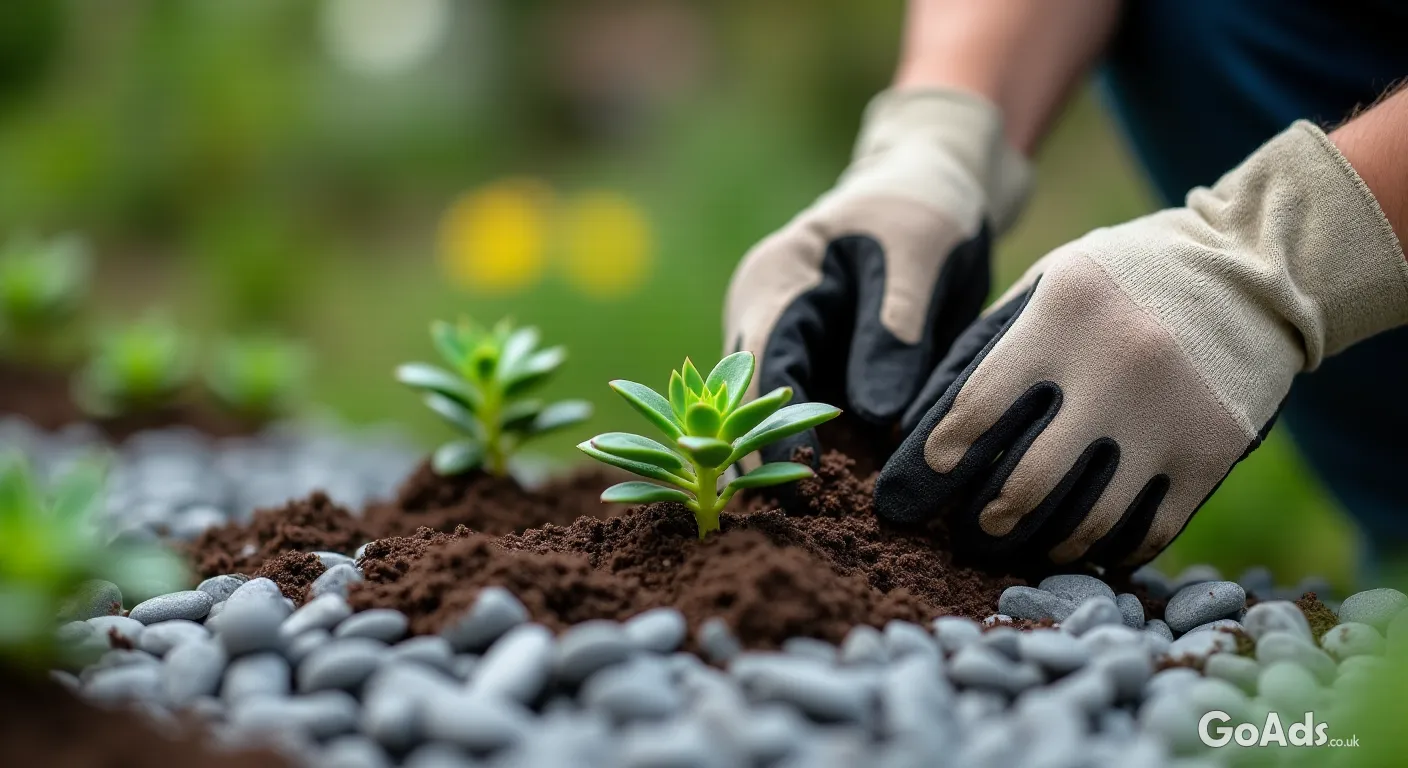
The secret to a successful gravel garden is all in the preparation. You cannot just layer stones over your old lawn and hope for the best. You need to clear the area, ensure good drainage, and crucially, lay down a heavy-duty permeable weed membrane. This allows water to reach the soil but keeps those pesky dandelions at bay. Before you start digging, investing in some quality second-hand garden tools can save you a fortune compared to buying brand new from a garden centre.
Essential Elements for Your Gravel Oasis
Permeable weed membrane (don't skip this!)
Decorative aggregate (pea shingle, slate chips, or Cotswold stone)
Drought-tolerant plants (think silver foliage and woody stems)
Large feature rocks or boulders for visual weight
Tipp: Choose local stone where possible. Not only does it blend better with the local landscape, but it also has a lower carbon footprint from transport.
Choosing Your Plant Palette
The fun part is the planting. You want species that love a bit of grit and don't mind their feet staying dry. Mediterranean herbs like Lavender, Rosemary, and Thyme are perfect, as are architectural plants like Phlomis or Sea Holly. To get the best deals on hardy species, it is always worth a browse through the Garden and Plant ads to find local sellers thinning out their own stocks.
Design and Maintenance
Don't just plant in straight rows. Group your plants in odd numbers and leave plenty of space for them to spread. Once planted, mulch the entire area with a 2-3 inch layer of your chosen gravel. Maintenance is minimal: just a quick rake now and then to keep it looking tidy and a bit of deadheading in the autumn. For more inspiration on outdoor projects, visit the Garden & Home Improvement magazine hub for expert tips.
A Final Word on Drainage
One of the biggest benefits of a gravel garden is that it helps manage rainwater, preventing runoff and keeping your garden from becoming a bog in the winter. It is a win-win for both your weekends and the planet. Happy gardening!










 Secure buying and selling
 Terms of Use
 GoAds.co.uk Facebook