The Urban Orchard: A Guide to Growing Your Own Fruit in Small Spaces
Garden & Home Improvement
📅 2026. 03. 16.
Want to pick fresh apples or pears from your own back door? Discover how to successfully grow fruit trees even in the smallest British gardens using expert tips.
The Dream of the Back-Garden Harvest
There is something remarkably satisfying about stepping out into your own garden and picking a sun-warmed apple or a handful of cherries. You don't need a sprawling country estate or a massive allotment to make this happen. Even if you only have a modest patio or a tiny balcony, the dream of an urban orchard is well within your reach. With the right approach to selection and care, you can turn any outdoor nook into a productive little paradise.
It is All in the Roots
The secret to growing fruit trees in small spaces lies in the rootstock. Most fruit trees are grafted onto the roots of another tree, which determines how big the final plant will grow. For small gardens, you want to look for words like 'M27' (extremely dwarfing) or 'M9' (dwarfing) for apples, and 'Pixy' for plums. These roots act like a natural brake, keeping the tree manageable while still producing full-sized fruit. If you are browsing local garden and plant listings, always double-check the rootstock before you commit.
The best time to plant a tree was twenty years ago. The second best time is today, especially if it is a self-fertile variety that fits on your balcony!
Potting Up for Success
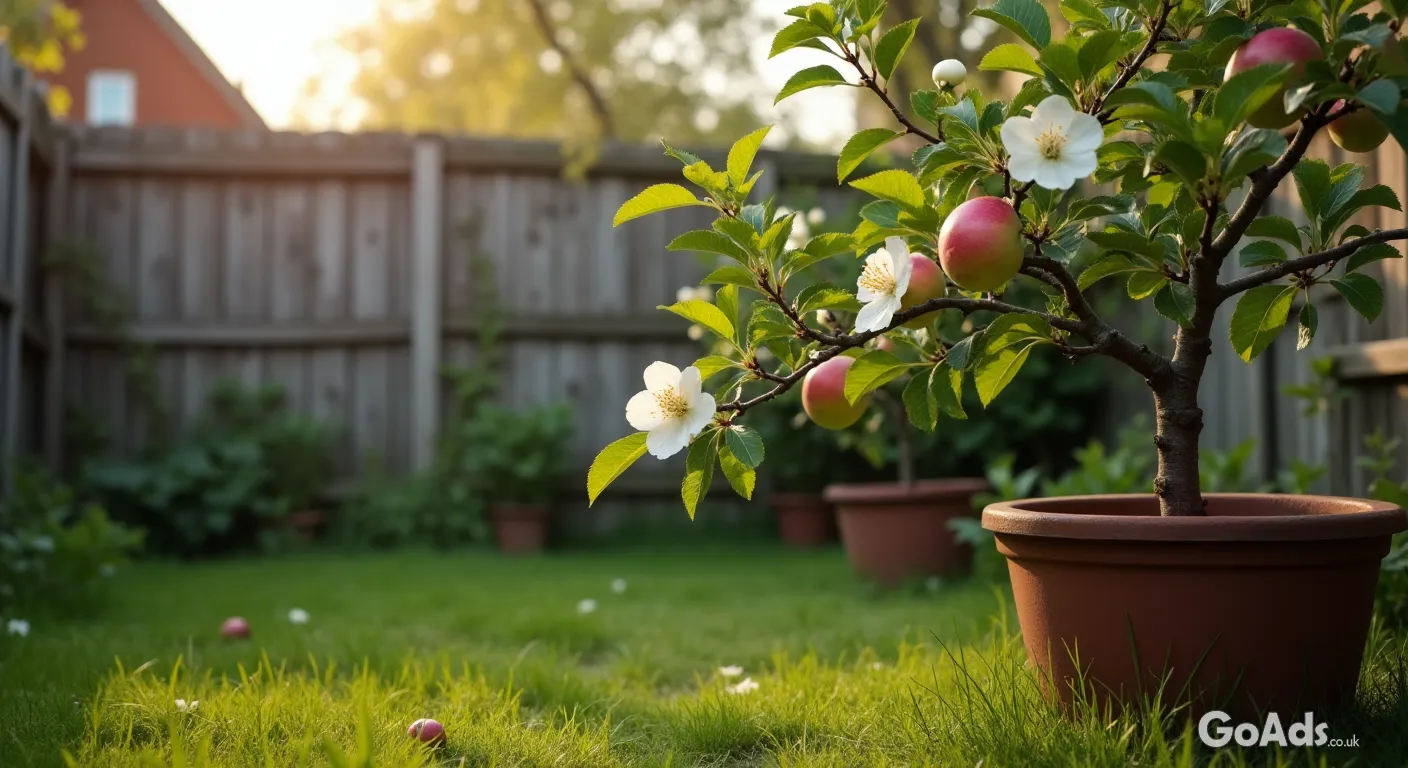
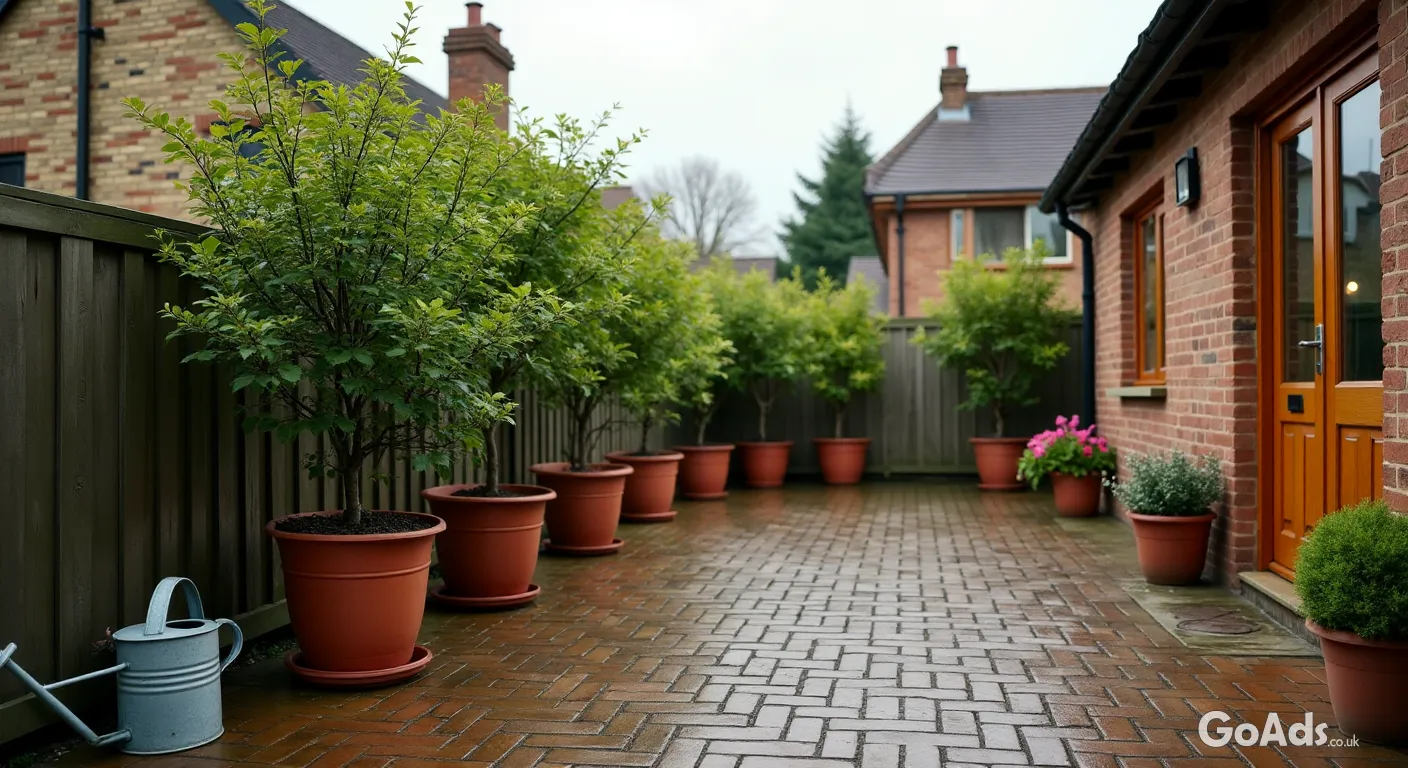
If you don't have soil to dig into, don't panic. Many fruit trees thrive in containers. A large terracotta or heavy plastic pot (at least 45cm in diameter) provides a stable home. Use a high-quality loam-based compost like John Innes No. 3, which offers the weight and nutrients needed for long-term growth. Just remember that potted trees rely entirely on you for their drinks, so a regular watering schedule is a must during the dry spells of July and August.
Essential Kit for Your Urban Orchard
Dwarf fruit tree (check the rootstock!)
Large, heavy-duty pots with drainage holes
Loam-based compost
A pair of sharp, clean secateurs
Organic fruit fertiliser
Mulch (like bark chips or gravel)
The Pollination Puzzle
One common mistake for beginners is forgetting that trees often need a partner to produce fruit. Some varieties are 'self-fertile', meaning they can do the job alone, but others need a different variety nearby to swap pollen. If you only have space for one tree, look for self-fertile options like the 'Victoria' plum or the 'Conference' pear. Alternatively, look for 'family trees', where two or three different varieties have been grafted onto a single trunk—it is like an orchard in one pot!
Pruning Without Fear
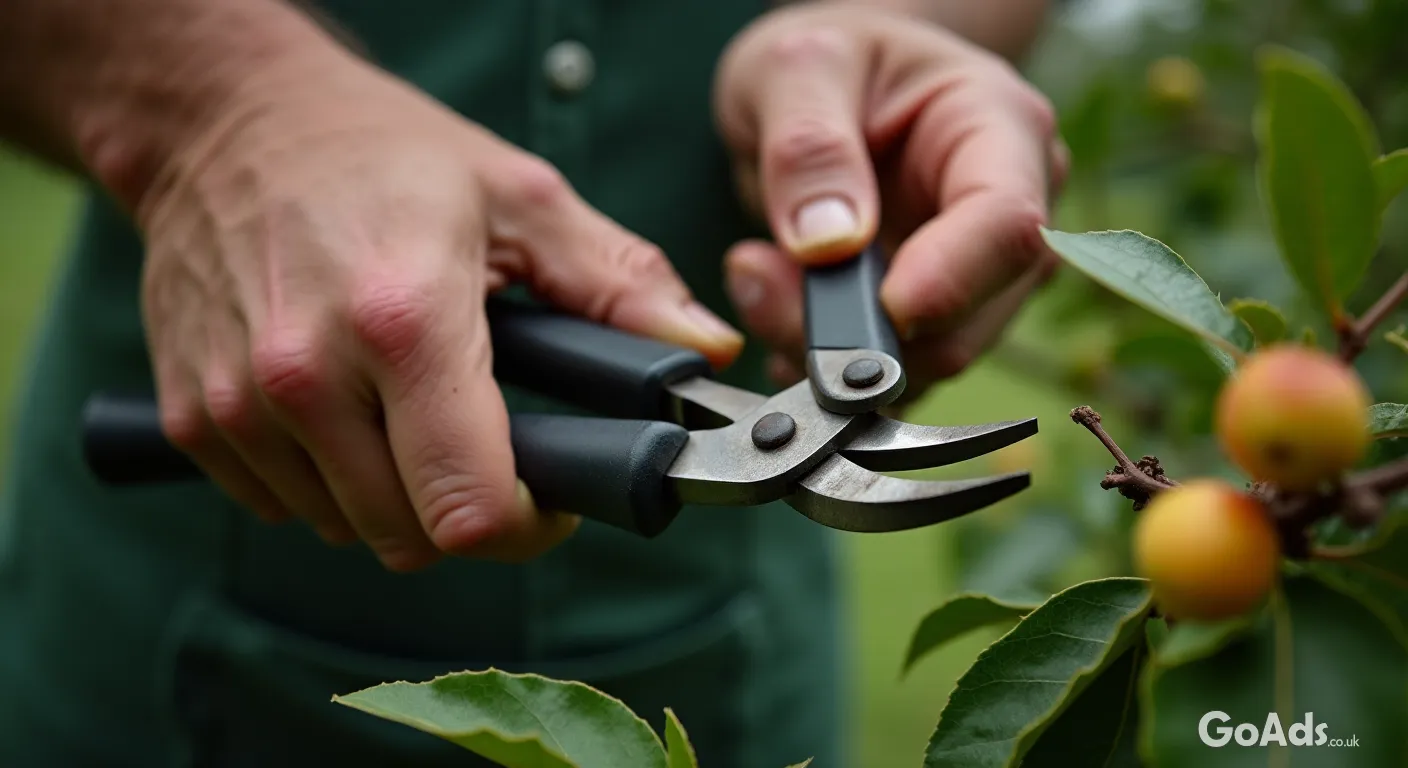
Many new gardeners are terrified of the secateurs, but pruning is actually your friend. For small spaces, the goal is to keep the tree open and airy. This allows sunlight to reach the fruit and prevents diseases. Focus on the three Ds: remove anything Dead, Damaged, or Diseased. Beyond that, a light snip in the winter for most trees (or summer for stone fruits like cherries and plums) will keep your tree in tip-top shape. For more tips on eco-friendly garden maintenance, check out our Sustainable Living section.
Don't rush the process. A young tree might take a year or two to settle in, but once those first blossoms turn into fruit, the wait becomes entirely worth it.
Keeping Pests at Bay Naturally
In a small urban garden, you want to keep things as natural as possible. Encourage biodiversity by planting marigolds or lavender near your trees to attract pollinators. If you spot aphids, a simple blast from the garden hose or a spray of diluted soapy water usually does the trick. Avoiding harsh chemicals not only keeps your fruit healthier but also helps the local bee population thrive in our city environments.
Top Varieties for Small British Gardens
Apple: 'Falstaff' (great for pots)
Pear: 'Conference' (very reliable)
Plum: 'Victoria' (classic and self-fertile)
Cherry: 'Sunburst' (delicious and compact)
Fig: 'Brown Turkey' (loves a sunny wall)
Feeding and Mulching
Because your trees are working hard to produce fruit, they need regular snacks. Apply a slow-release organic fertiliser in early spring just as the buds start to swell. Adding a layer of mulch on top of the soil helps retain moisture and keeps the roots cool. It is these small, consistent acts of care that turn a struggling sapling into a bountiful harvest-bearer.
Enjoying the Fruits of Your Labour
There is nothing quite like the taste of home-grown fruit. It hasn't been chilled for weeks or transported across the globe; it is fresh, zingy, and packed with vitamins. Whether you are making a classic crumble or just eating an apple straight from the branch, your urban orchard is a testament to what can be achieved with a bit of patience and a tiny patch of ground. Happy growing!














 Secure buying and selling
 Terms of Use
 GoAds.co.uk Facebook