The Vertical Veg Patch: How to Grow Your Own Food When You're Short on Space
Garden & Home Improvement
📅 2026. 05. 01.
Think you need a massive allotment to grow your own grub? We explore how to turn blank walls and tiny balconies into productive green havens.
The Rise of the Sky-High Salad
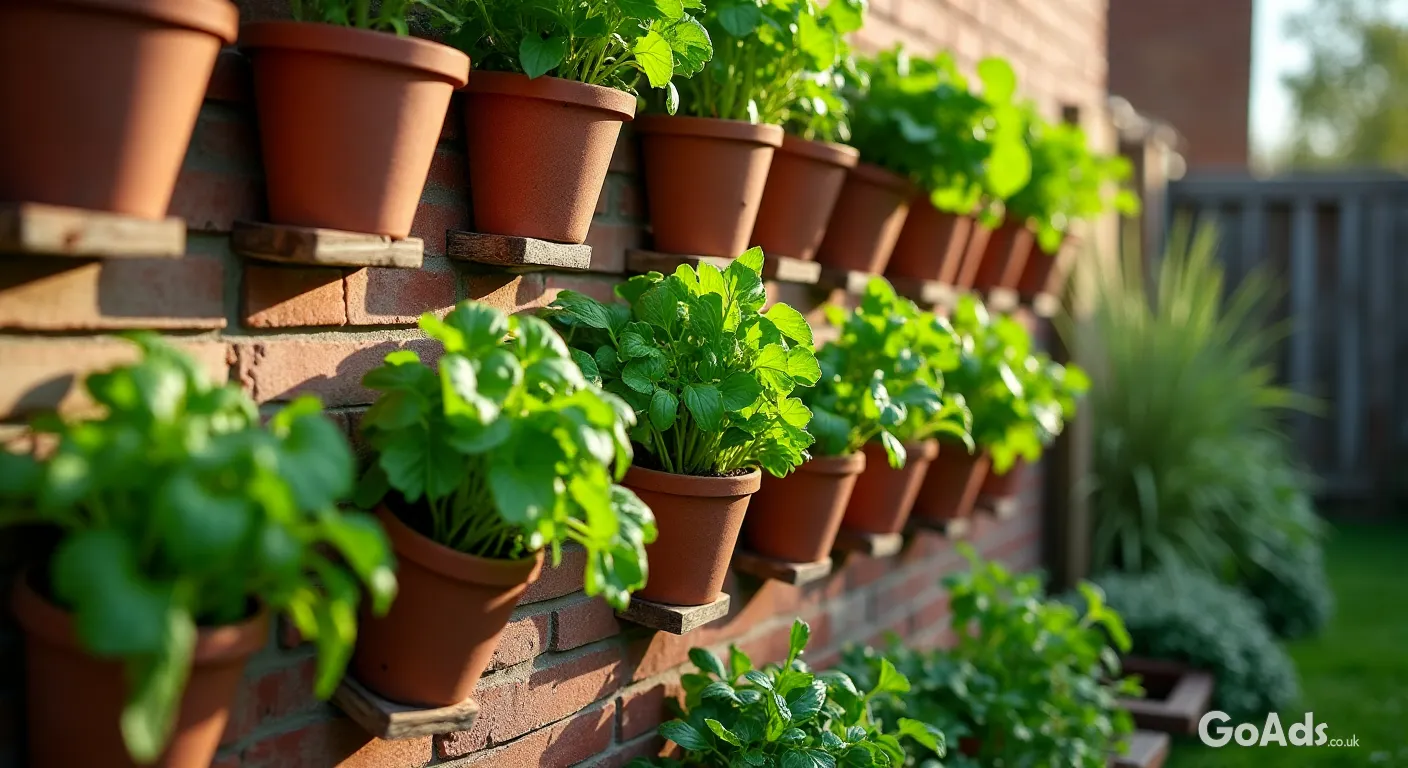
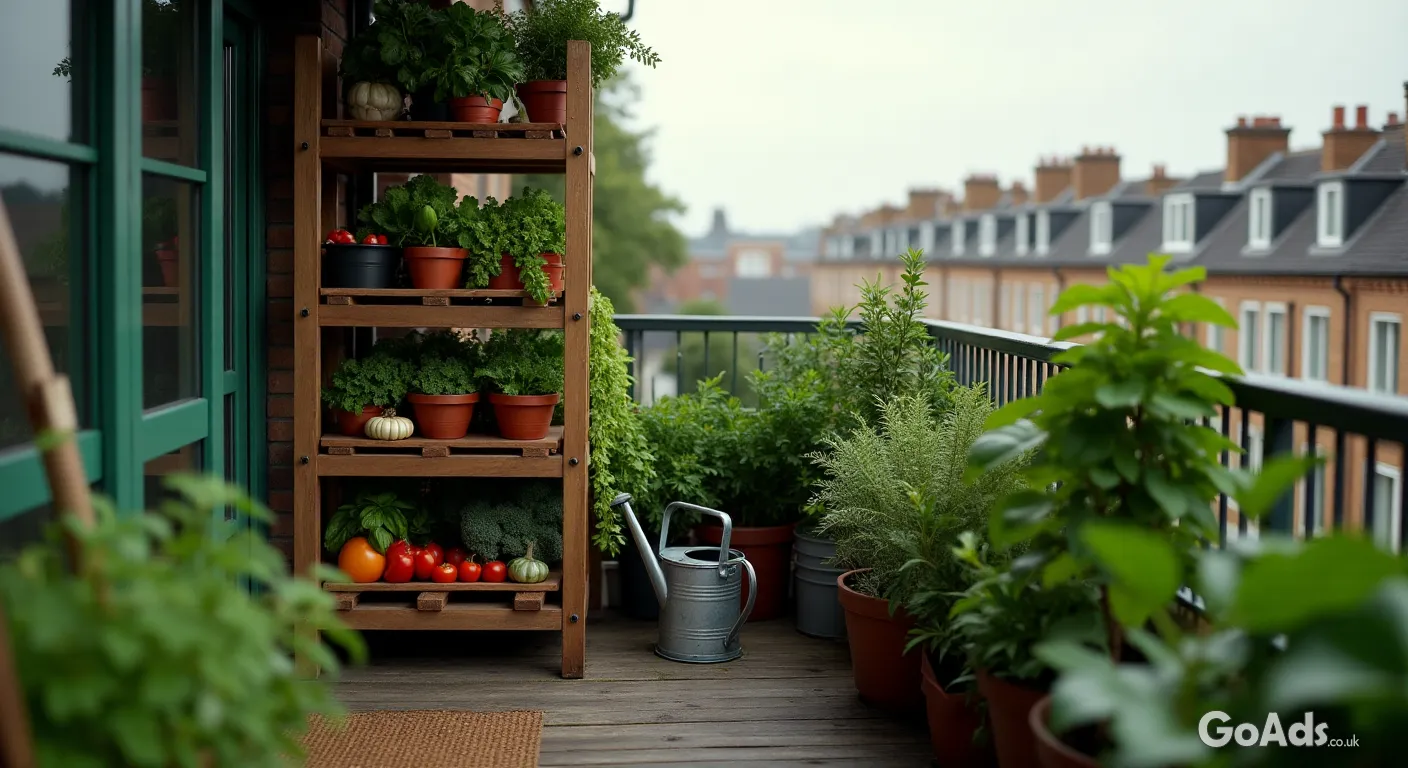
Let's be honest, not everyone in the UK is blessed with a sprawling country estate. For many of us, "the garden" is a small patio, a tiny balcony, or perhaps just a bit of concrete out the back. But a lack of floor space shouldn't stop you from enjoying the crunch of a home-grown radish or the scent of fresh basil. The secret? Look up. Vertical gardening is the ultimate hack for urban dwellers, turning wasted wall space into a lush, edible tapestry.
Choosing Your Aspect
Before you start drilling holes in the brickwork, you need to know your sun. Most veggies are sun-worshippers, needing at least six hours of light a day. If your wall faces south, you're in luck—tomatoes and chillies will thrive there. North-facing? Stick to leafy greens like spinach and kale which prefer the shade. If you're feeling overwhelmed by the technical side of things, checking out some sustainable living guides can help you understand the microclimate of your outdoor space.
Essential Gear for Vertical Growth
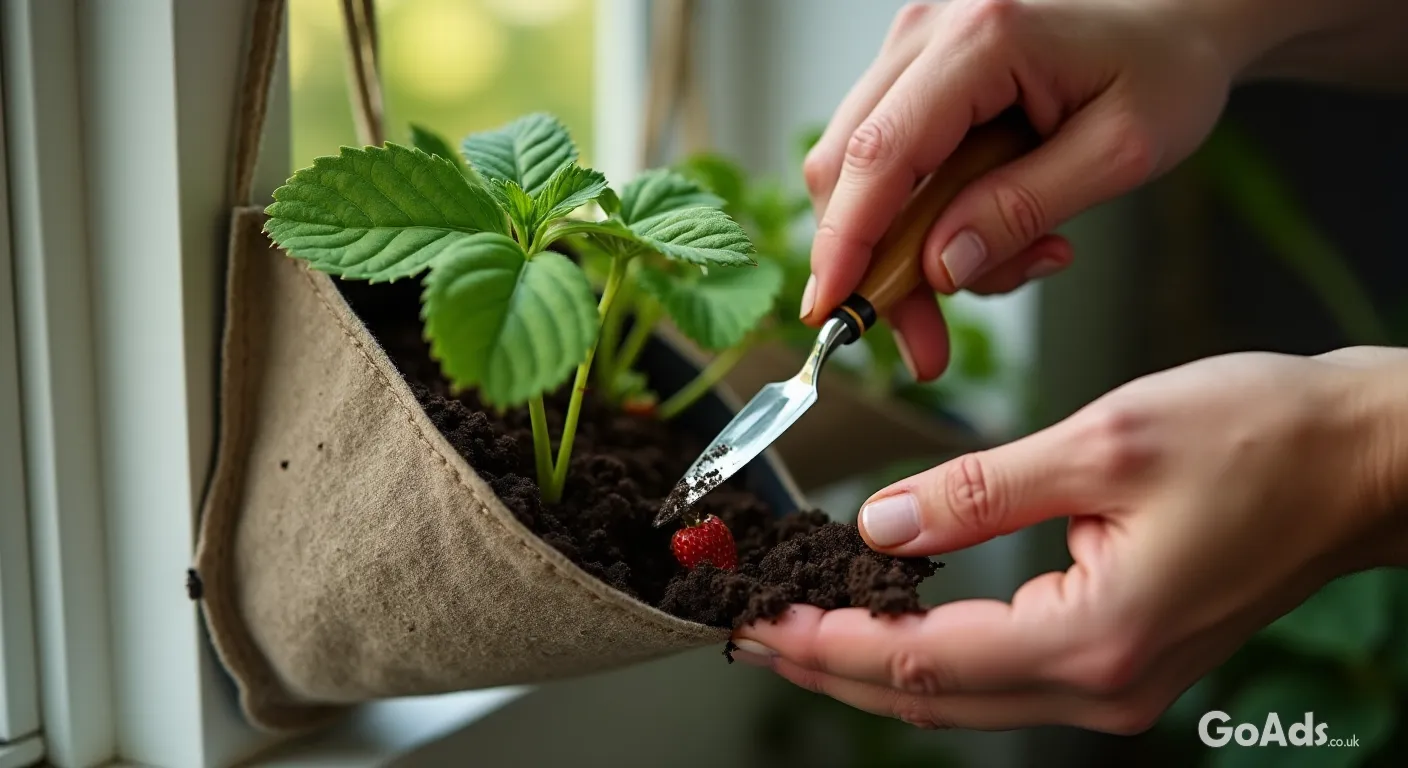
Wall-mounted felt pockets: Great for herbs and strawberries.
Upcycled pallets: Perfect for creating a rustic "shelf" system.
Trellis and netting: Essential for climbing beans and peas.
Self-watering systems: Because vertical pots dry out faster than ground soil.
The Best Crops for Beginners
If you're new to the game, start with the easy wins. Herbs like mint, chives, and parsley are virtually indestructible and love living in pots. Salad leaves are another great shout; you can sow them thickly and just "cut and come again" all summer long. To get started, you might want to pick up some quality garden tools to make the planting process a breeze.
Top Tip: Always ensure your vertical structures are securely anchored. A wet planter is surprisingly heavy, and the last thing you want is your prize-winning lettuce falling on the neighbour's cat!
Watering: The Vertical Challenge
Gravity is a double-edged sword. While it helps drainage, it also means the top pots in your system will dry out much faster than the bottom ones. On a hot day, you might need to water your vertical patch twice. If you lead a busy life, it might be worth looking into local garden services to help with the heavy lifting or maintenance while you're away on holiday.
Building It Yourself
You don't need to spend a fortune on fancy modular systems. One of the most popular DIY home projects involves using old plastic guttering. Simply cap the ends, drill some drainage holes, and mount them horizontally across a fence. It's cheap, effective, and looks surprisingly modern when filled with trailing strawberries or colourful pansies.
Think Beyond the Veg
While we love an edible garden, don't forget the pollinators. Mixing in some trailing lobelia or nasturtiums (which are also edible!) will attract bees and butterflies, ensuring your crops actually produce fruit. A vertical garden isn't just a food source; it's a living, breathing ecosystem that brings a bit of the wild back into our concrete jungles. So, grab a drill, find a sunny wall, and start your vertical adventure today.










 Secure buying and selling
 Terms of Use
 GoAds.co.uk Facebook