The Art of Slow Decorating: How to Curate a Home That Tells Your Story
Home & Furniture
📅 2026. 03. 21.
Stop rushing to fill every corner of your house with flat-pack furniture. Learn how the slow decorating movement can help you create a soulful, sustainable home on a budget.
What is Slow Decorating?
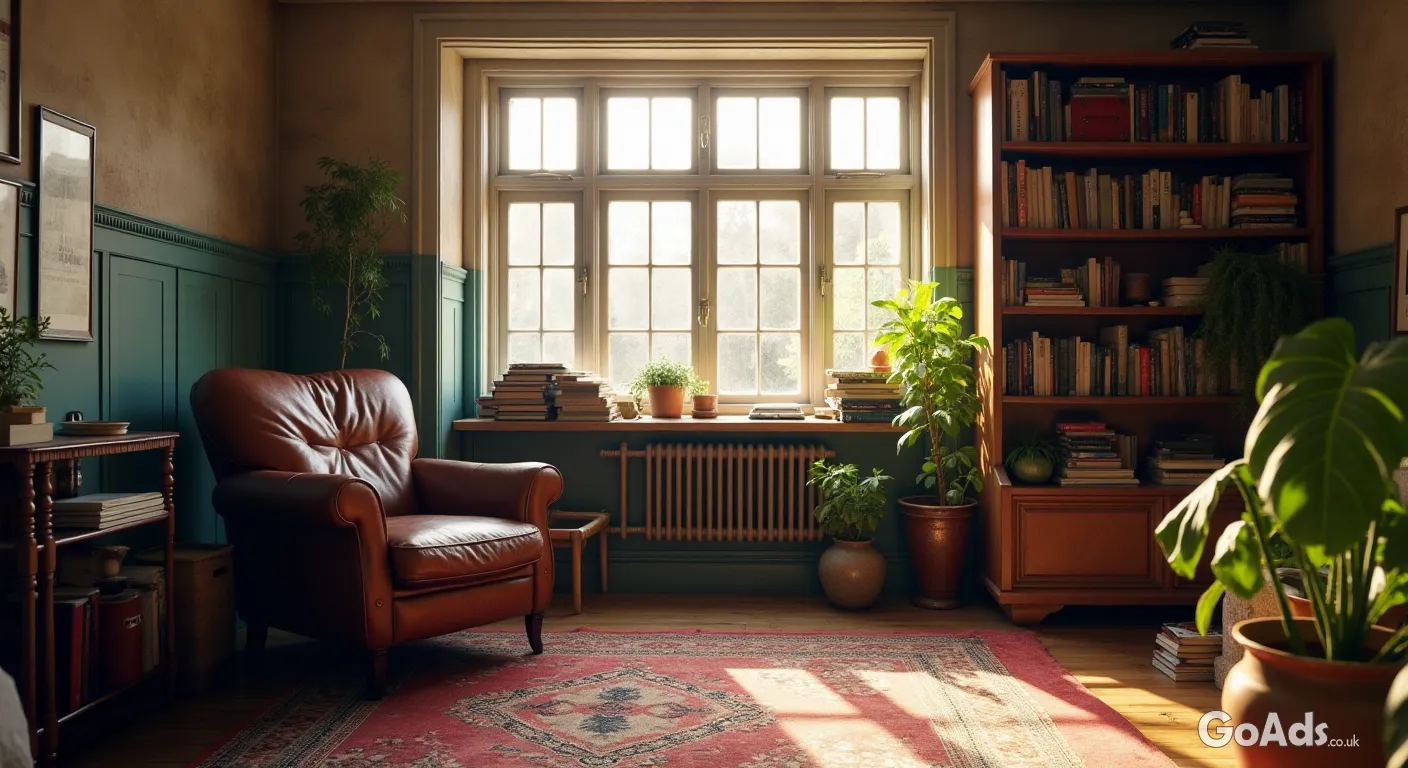
We have all been there. You move into a new place, look at the empty rooms, and feel an overwhelming urge to buy everything at once. But here is the secret: the most beautiful homes in Britain aren't built in a weekend. They are curated over time. Slow decorating is about resisting the "fast furniture" trend and choosing pieces that actually mean something to you. It is a more intentional, budget-friendly, and soulful way to live.
"The best rooms are the ones that look like they happened over time, not like they were delivered on a single lorry."
Start with the Anchor Pieces
Before you dive into the details, you need to identify your "hero" items. These are the functional foundations of a room, like a solid oak dining table or a well-made sofa. Instead of settling for a cheap, temporary fix, keep an eye on pre-loved furniture listings where you can often find high-quality British craftsmanship for a fraction of the high-street price. Patience is your best friend here; waiting for the right piece is always better than buying a placeholder.
Layering with Textures and Accessories
Once your big pieces are in place, it is time to add the layers that make a house feel like a home. This is where you can let your personality shine. Think about tactile fabrics, unique lamps, and quirky vases. Mixing different eras and styles is the key to avoiding that "showroom" look. You can find incredible character-adding items in the home accessories section, where unique finds are added daily by local sellers.
The Slow Decorating Checklist
Live in the space for at least a month before making big purchases.
Prioritise quality materials like solid wood, wool, and brass.
Don't be afraid of a little "patina" – scratches tell a story!
Shop local to find items with regional history.
Focus on one room at a time to avoid burnout.
Adding Soul with Art and Antiques
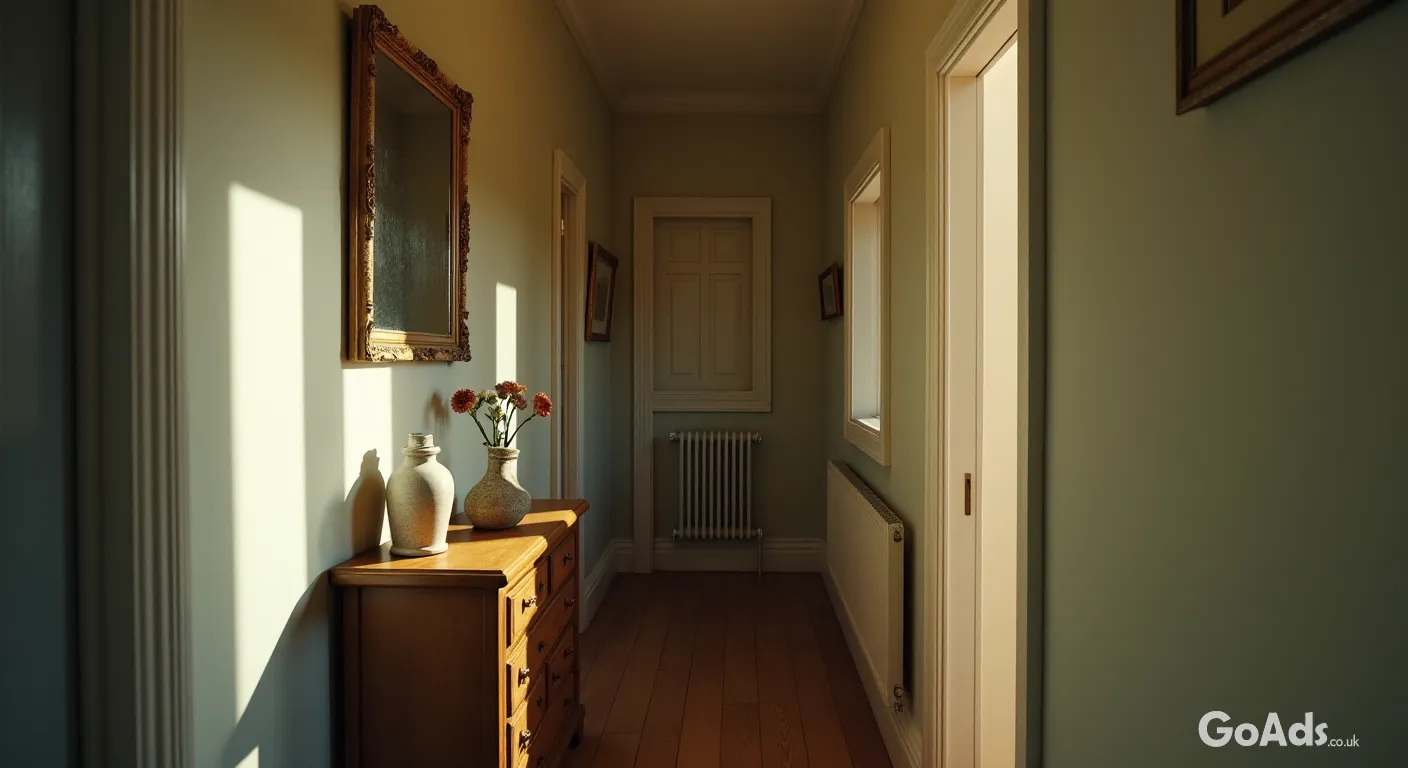
Nothing kills the vibe of a room faster than generic, mass-produced wall art. To give your home a sense of history, look for something with a past. Whether it is an old oil painting or a vintage map of your local area, these pieces provide a talking point. Scouring through antique and art classifieds is a fantastic way to find something truly original that nobody else on your street will have.
Sustainable Choices for a Better Home
Decorating slowly isn't just about aesthetics; it is one of the most eco-friendly things you can do. By opting for second-hand items, you are keeping furniture out of landfills and reducing the demand for new manufacturing. For more tips on making ethical choices, our guide to sustainable living offers plenty of inspiration for the modern homeowner.
Tipp: Always measure your doorways and hallways before buying a vintage "hero" piece. There is nothing worse than finding the perfect wardrobe only to realise it won't fit up the stairs!
Mixing Old and New Like a Pro
The trick to a successful slow-decorated home is the "high-low" mix. You might have a brand-new, comfortable mattress on a vintage brass bed frame, or a modern tech setup on a reclaimed wooden desk. Balancing contemporary convenience with vintage charm keeps your home feeling fresh rather than like a museum. If you are looking for more interior design hacks, check out our latest articles on home and furniture trends to see how others are blending styles.
The Joy of the Hunt
The best part of slow decorating is the "aha!" moment when you finally find exactly what you were looking for. It might happen at a car boot sale, a local charity shop, or while browsing online late at night. Every item in your home will eventually have a story behind it—where you found it, how you transported it, and why you fell in love with it. That is what transforms a building into a sanctuary.









 Secure buying and selling
 Terms of Use
 GoAds.co.uk Facebook