The Modular Sofa Strategy: How to Future-Proof Your Living Room Layout
Home & Furniture
📅 2026. 04. 25.
Tired of furniture that doesn't fit when you move? Discover why modular seating is the ultimate investment for a flexible, stylish home.
The End of the "One-Size-Fits-All" Sofa
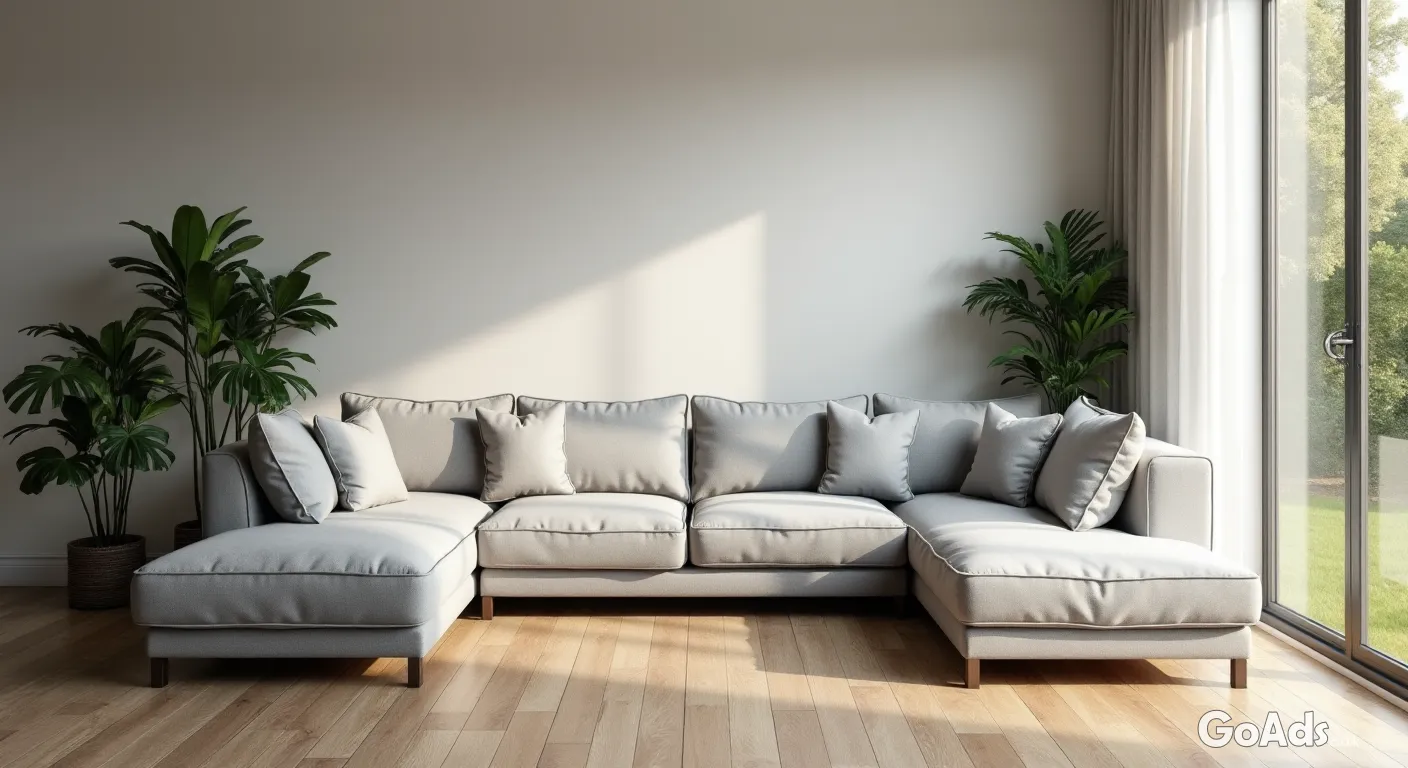
We’ve all been there: you find the perfect three-seater, only to realise six months later that it blocks the radiator or makes the living room feel like a cramped corridor. In the world of modern interior design, flexibility is king. That is where the modular sofa comes in. Unlike traditional fixed suites, modular furniture consists of individual "units" or "sections" that can be rearranged, added to, or split apart whenever the mood strikes.
Why Modular is a Game Changer
The beauty of a modular system is its ability to grow with you. If you are currently renting a flat but plan to buy a house later, a modular sofa ensures you won't have to sell your furniture just because the new lounge has a different orientation. When you are browsing the home and garden section for your next big purchase, looking for "sectional" or "modular" pieces should be at the top of your list.
Key Benefits of Modular Seating
Adaptability: Turn a corner sofa into a long straight run or two separate loveseats in minutes.
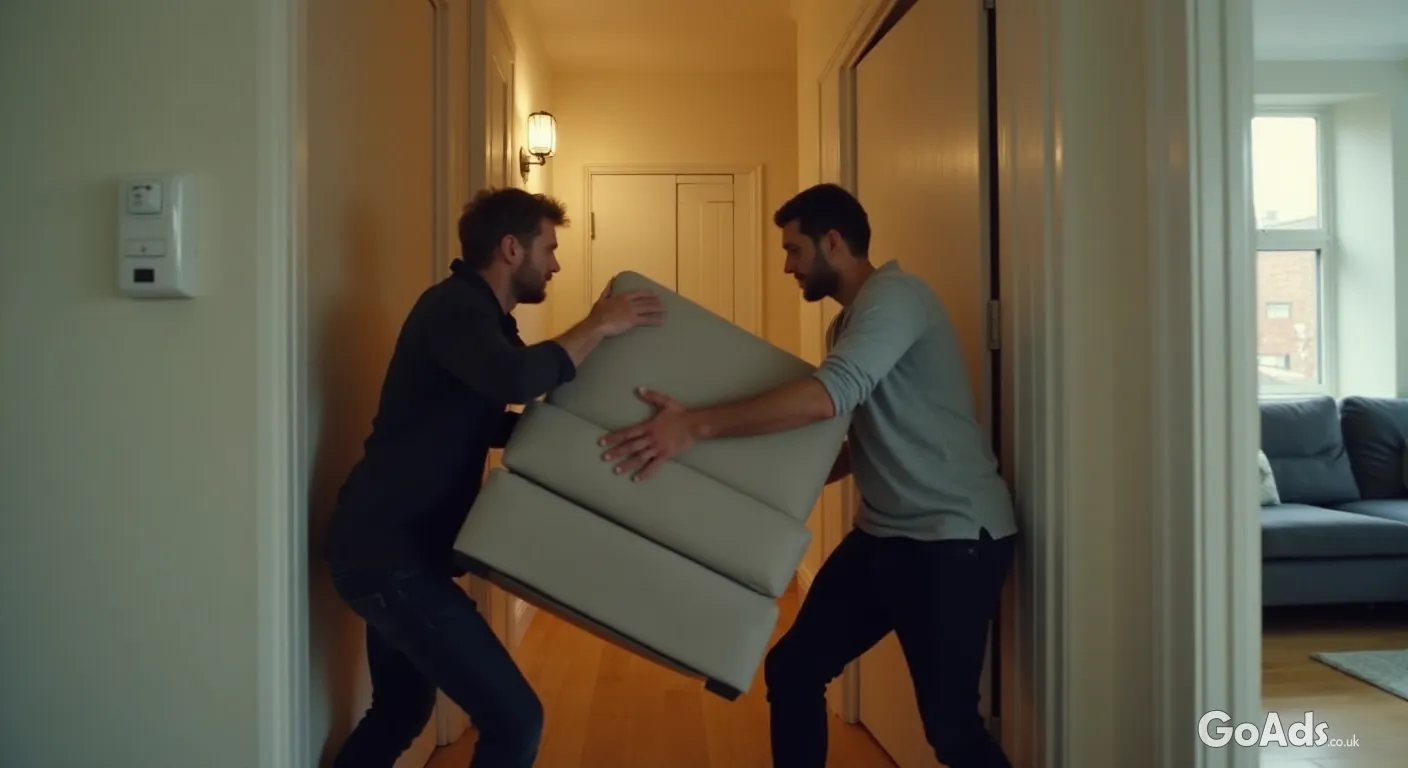
Easier Logistics: No more "Pivot!" moments. Small sections fit through narrow UK doorways and up tight staircases far easier than a standard sofa.
Custom Comfort: You can add footstools (ottomans) that clip into the frame to create a chaise longue on whichever side you prefer.
"Invest in pieces that can pivot with your life. A modular sofa isn't just a seat; it's a long-term asset that evolves with your home."
The Art of Measuring Up
Before you commit, grab the masking tape. Map out the different configurations on your floor to see how they affect traffic flow. Remember to leave at least 45cm between the sofa and your coffee table. Don't forget to budget for essential home accessories like throws and cushions to tie the separate modules together visually.
What to Look for When Buying Pre-loved
Buying a modular sofa second-hand is a brilliant way to get high-end brands for a fraction of the retail price. However, you need to be savvy. Check the "crocodile clips" or "linking brackets" underneath; these are the hardware bits that hold the sections together. If they are missing, don't worry—they are usually cheap to replace, but it's a good bargaining point.
The Pre-loved Inspection Checklist
Uniform Fading: Ensure all sections have aged similarly. If one piece was kept in a conservatory and the others in a dark room, the colours might not match.
The Sit Test: Check that the foam or feather density is consistent across all modules. You don't want one "extra bouncy" corner.
Frame Integrity: Give each section a gentle wiggle to ensure the timber or metal frames are still solid.
Future-Proofing Your Style
If you’re worried about a modular sofa looking too "blocky," look for designs with low profiles or visible legs to create a sense of space. Neutral fabrics like grey, oatmeal, or navy are the safest bets for longevity. For more inspiration on making your space work for you, check out our other Home & Furniture guides which dive deeper into layout hacks and restoration tips.
Final Thoughts
A modular sofa is more than just a trend; it is a practical solution for the way we live today. Whether you are hosting a movie night and need a giant pit-style bed, or hosting a formal tea where separate seating is better, the modular approach gives you the freedom to choose. Start small with two or three pieces and expand your collection as your space—and your family—grows.











 Secure buying and selling
 Terms of Use
 GoAds.co.uk Facebook