The Second-Hand Sleuth: How to Spot High-Quality Vintage Furniture Like a Pro
Home & Furniture
📅 2026. 03. 16.
Tired of flimsy flat-packs that wobble after a month? Learn how to identify durable, high-quality vintage pieces that will last a lifetime.
The Charm of the Pre-Loved Find
Let’s be honest, there is something incredibly satisfying about finding a piece of furniture that has a story to tell. Whether you’re scouring local markets or browsing for furniture online, the thrill of the hunt is real. But how do you tell the difference between a genuine mid-century gem and a piece of junk that’s just one house move away from falling apart? It all comes down to knowing what to look for beneath the surface.
Check the Bones: Why Solid Wood Still Reigns Supreme
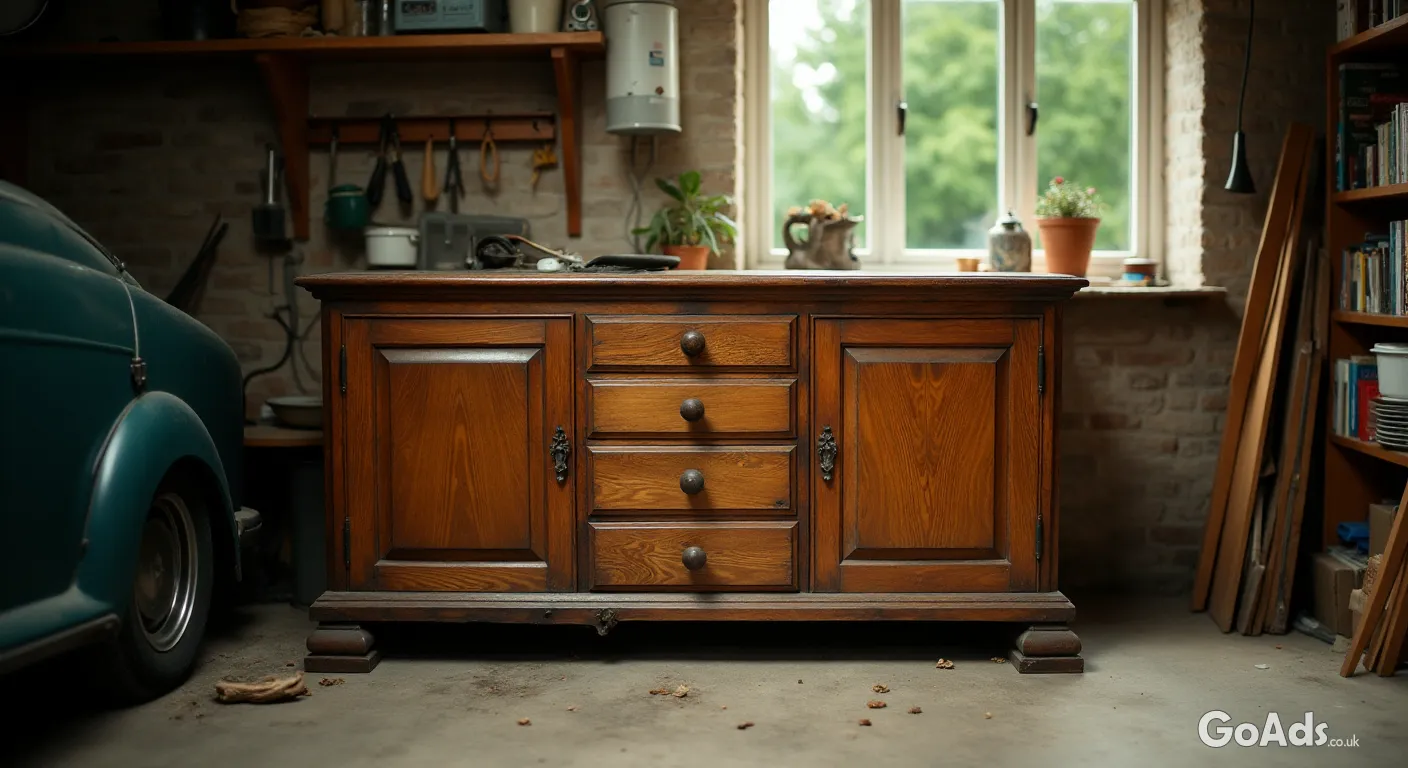
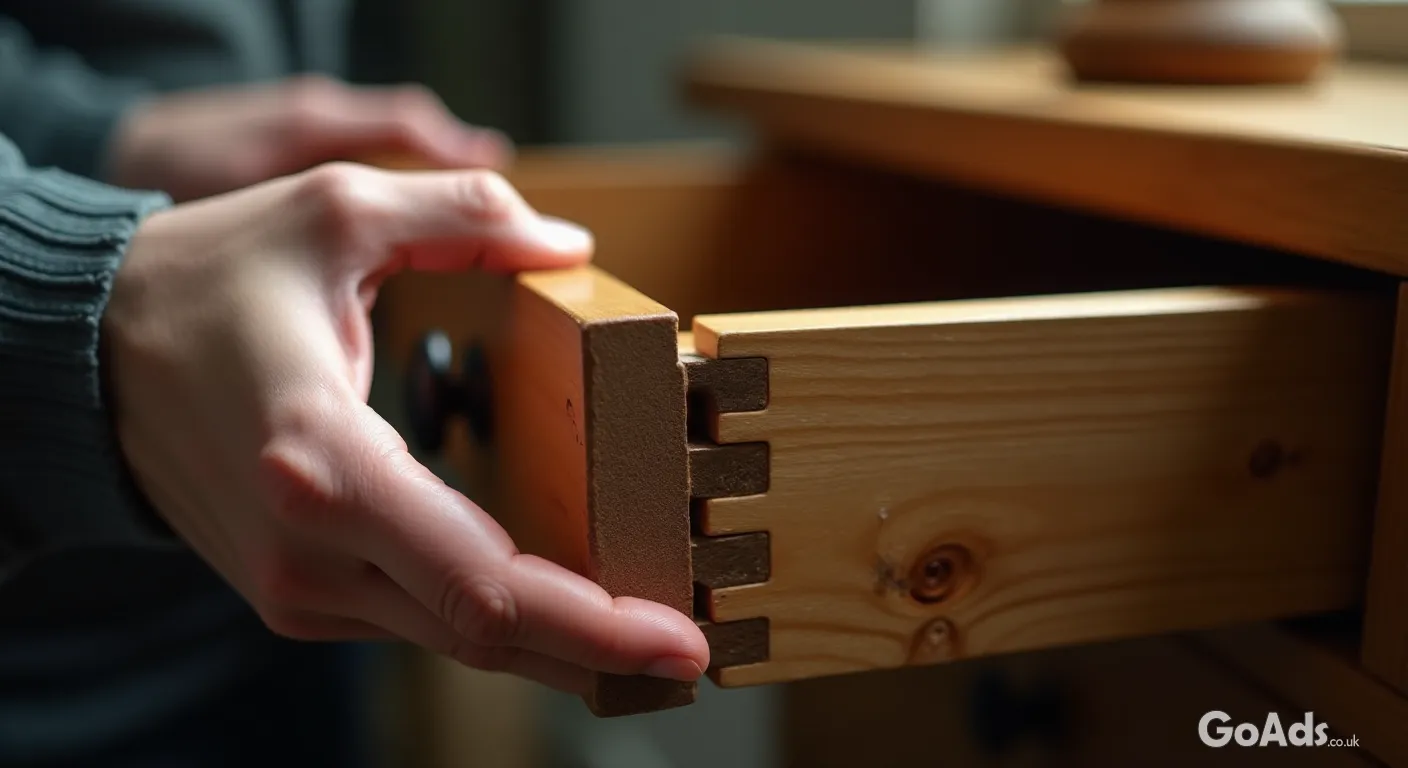
Modern furniture often relies on particle board and veneers that can peel or swell if they get even slightly damp. When you’re hunting for quality, look for solid wood. Give the piece a gentle shake—it should feel heavy and stable, not rickety. If it’s a chest of drawers, pull them all the way out. You want to see "dovetail joints" (those interlocking tooth-like shapes at the corners). These are a hallmark of craftsmanship and mean the piece was built to last, not just glued together in a factory.
"Price is what you pay, but value is what you get. A well-made vintage oak table can survive three generations, while a cheap modern one might not survive three dinner parties."
The Smell Test and Hidden Flaws
Don’t be afraid to use all your senses. Open the cabinets and take a sniff. A faint scent of old wood or wax is fine, but a strong musty odour could indicate mould or damp issues that are hard to get rid of. Also, keep an eye out for tiny, perfectly round holes—this could be a sign of woodworm. While treatable, it’s something you’ll want to know before bringing it into your home. Investing in quality used items is a brilliant way to contribute to Sustainable Living without sacrificing style.
The Sleuth’s Quick Checklist
Check for "Made in Denmark" or maker’s marks inside drawers for designer value.
Test all moving parts: hinges should be smooth and drawers shouldn’t stick.
Look for fire safety labels on upholstered items—essential if you plan to resell later.
Check the legs: are they part of the frame or just screwed on? (Integrated is better).
Upholstery: To Keep or to Recover?
If you find a chair with a stunning frame but hideous fabric, don’t walk away! Re-upholstering is a fantastic way to customise a piece. However, check the foam. If it’s crumbly or "crunchy" when you sit down, it’ll need replacing, which adds to the cost. If the "bones" of the chair are solid, it’s usually worth the investment to give it a fresh lease of life with some modern British wool or linen.
Negotiating Like a Local
When you’ve found "the one", it’s time to talk numbers. Be polite and point out any genuine flaws you’ve found, like a deep scratch or a missing handle, as a reason for a lower offer. Most sellers are happy to negotiate if they know the item is going to a good home. For more advice on making your space your own, check out our latest guides in the Home & Furniture section. Remember, the best homes aren’t built in a day—they’re curated over time with pieces that truly mean something.









 Secure buying and selling
 Terms of Use
 GoAds.co.uk Facebook