The Cast Iron Comeback: How to Rescue, Season, and Cook with Pre-loved Cookware
Kitchen & Household
📅 2026. 04. 23.
Discover the secrets to reviving vintage cast iron pans and why they are the ultimate sustainable choice for any modern kitchen. Learn to strip, season, and maintain your iron like a pro.
The Timeless Appeal of Iron
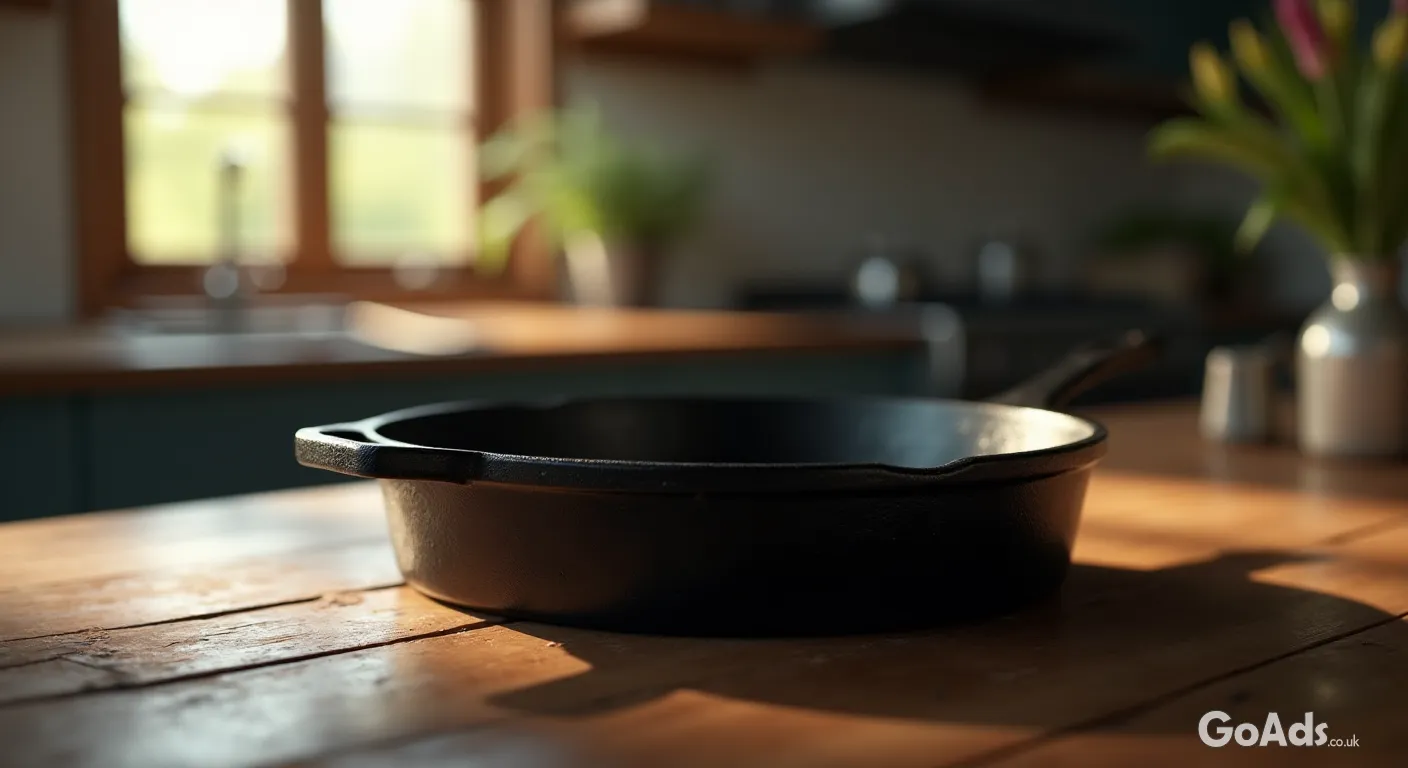
In an age of "disposable" non-stick pans that lose their coating within a year, the humble cast iron skillet is making a massive comeback. These heavy-duty workhorses aren't just tools; they are heirlooms. If you find one at a car boot sale or hidden in the back of a relative's cupboard, don't let a bit of rust scare you off. With a little elbow grease, you can restore it to a state that outperforms any modern ceramic alternative.
Finding Your Diamond in the Rough
When you are hunting for deals, look for brands like Lodge, Griswold, or even unbranded vintage pieces that feel heavy and solid. You can often find incredible bargains by browsing pre-loved kitchen equipment online. Don't worry about surface rust or a crusty, black exterior; as long as the metal isn't cracked or severely warped (test this by seeing if it wobbles on a flat surface), it can be saved.
What to Check Before Buying
Check for cracks, especially around the handle and the rim.
Ensure the cooking surface is relatively smooth, though some pitting is fixable.
Avoid pans that have been used for melting lead (usually found in workshops, not kitchens).
Look for a heat ring on the bottom, a sign of older, high-quality casting.
"A well-seasoned cast iron pan is the original non-stick surface, minus the chemicals."
The Deep Clean: Stripping it Back
If your find is covered in decades of mystery gunk, you might need to strip it down to the bare metal. For tough cases, high-quality household cleaning products like heavy-duty degreasers or even a soak in a vinegar-water solution can help shift the rust. Use a stainless steel scourer to get back to that grey, metallic finish. Remember, this is the only time you should be truly aggressive with the surface!
The Science of Seasoning
Seasoning isn't just "putting oil on a pan." It is a process called polymerisation, where fats are baked into the metal to create a plastic-like, protective layer. This is a cornerstone of sustainable living, as it eliminates the need for frequently replacing cheap pans. To do it right, apply a very thin layer of flaxseed or grapeseed oil and bake the pan upside down in your oven at its highest setting for an hour.
The Perfect Seasoning Routine
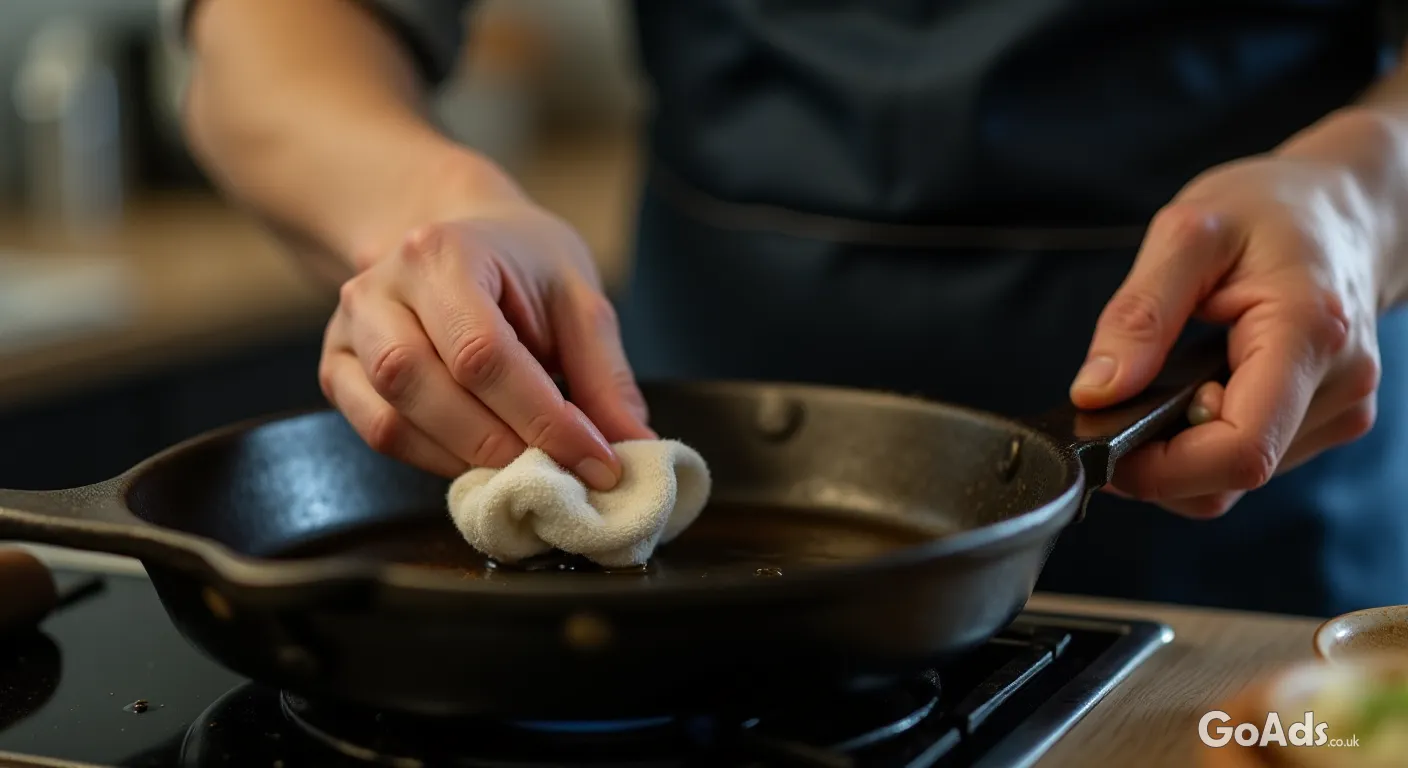
Wash the bare pan and dry it thoroughly on the hob.
Apply a tiny amount of oil (less is more!).
Wipe it all off until the pan looks dry—there is still a microscopic layer left.
Bake at 230°C+ for 60 minutes, then let it cool in the oven.
Repeat 3 times for a rock-solid foundation.
Daily Care and Maintenance
The biggest myth in the kitchen is that you can't use soap on cast iron. A mild dish soap won't hurt a good seasoning, but avoid the dishwasher at all costs! After cooking, rinse it with warm water, use a chainmail scrubber for stuck-on bits, and—most importantly—dry it on the hob immediately. A tiny drop of oil rubbed in while the pan is still warm will keep it perfect until your next meal.
"Treat your iron well, and it will be the last pan you ever need to buy."
Cooking Like a Pro
Cast iron is all about heat retention. Unlike aluminium, it takes a few minutes to get up to temperature, but once it's there, it stays there. It's perfect for searing steaks, baking cornbread, or even making a crispy-bottomed pizza. For more tips on mastering your culinary space, check out our latest guides in the Kitchen & Household section.
Top Tips for Cast Iron Success
Always pre-heat the pan for 5-10 minutes before adding food.
Don't be afraid of metal spatulas; they help smooth the seasoning over time.
If food starts sticking, it's time for a "mini-season" on the hob.
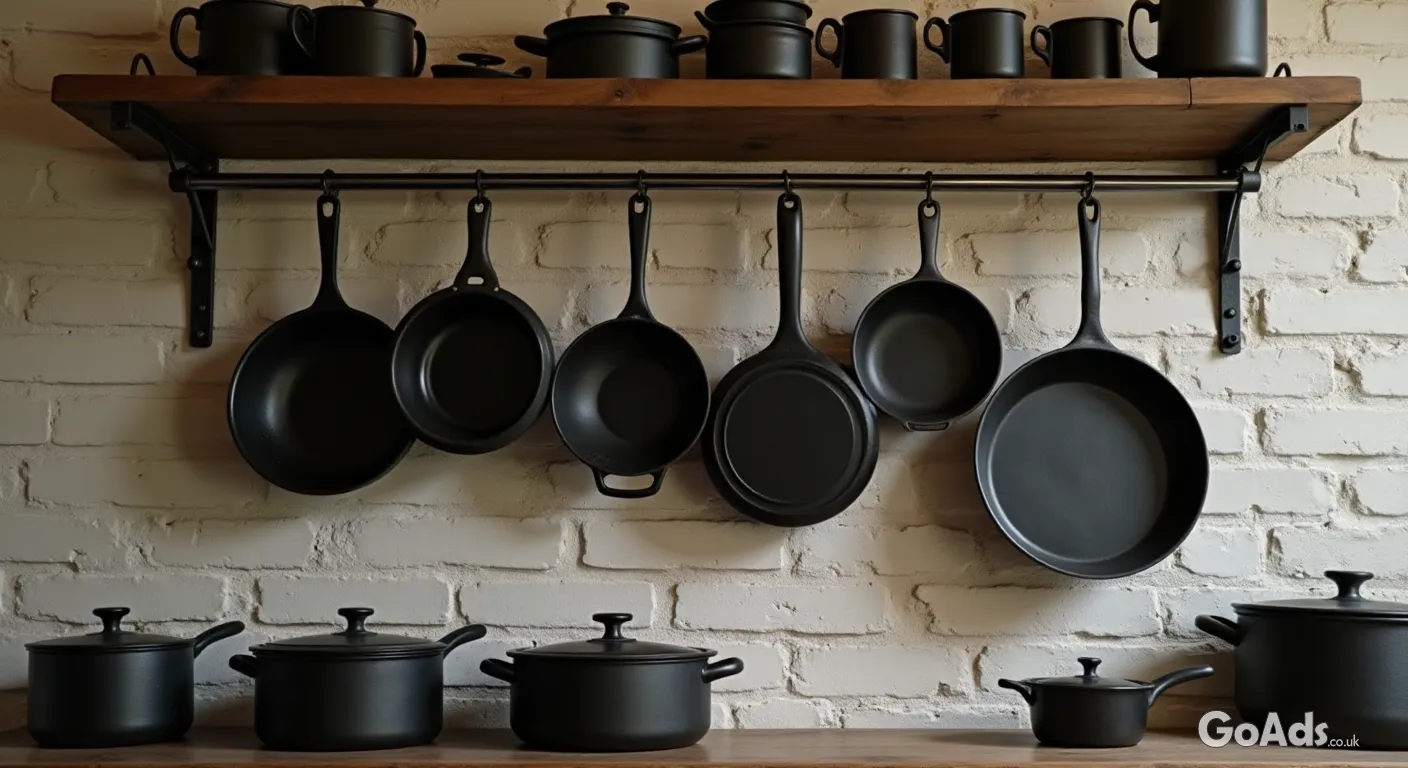
Store your pans in a dry place with a paper towel between them to absorb moisture.









 Secure buying and selling
 Terms of Use
 GoAds.co.uk Facebook