The Smart Fridge Reset: How to Organise Your Chiller for Maximum Freshness
Kitchen & Household
📅 2026. 04. 20.
Stop throwing money in the bin. Learn how to master your fridge zones to keep your groceries fresher for longer and reduce your energy bills.
The Science of the Chill
We’ve all been there: reaching for a bag of salad only to find it’s turned into a soggy, unidentifiable mess at the back of the drawer. Most of us treat our fridge like a cupboard with a light, but it’s actually a sophisticated piece of household appliance technology with distinct temperature zones. Understanding these zones is the first step toward a more sustainable kitchen.
Top and Middle Shelves: The Consistency Zone
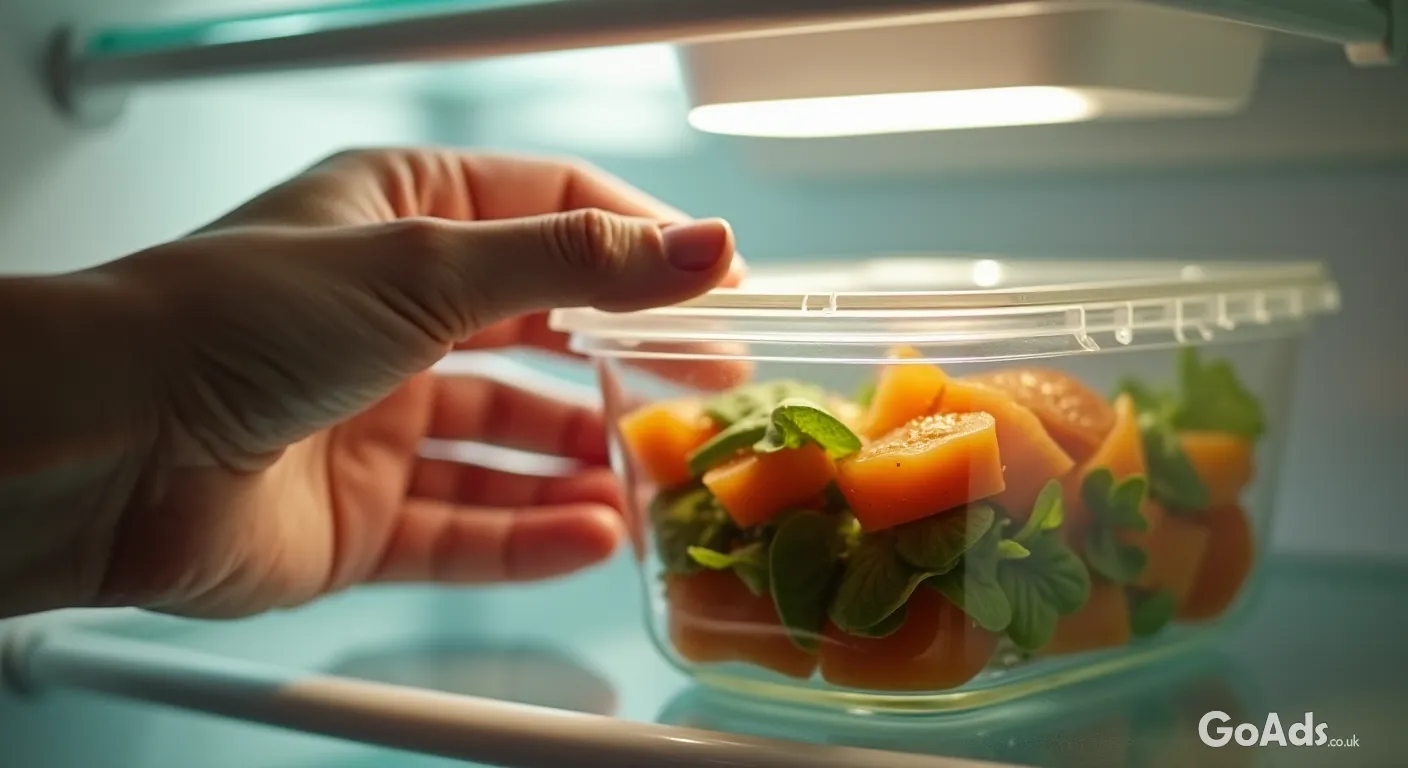
The upper shelves are the most temperature-stable areas. This is where you should store foods that don’t need cooking, such as deli meats, leftovers, and snacks. It’s also the ideal spot for your dairy products. If you’re looking to upgrade your storage game, investing in some high-quality kitchen equipment like glass airtight containers can help maintain that freshness even longer.
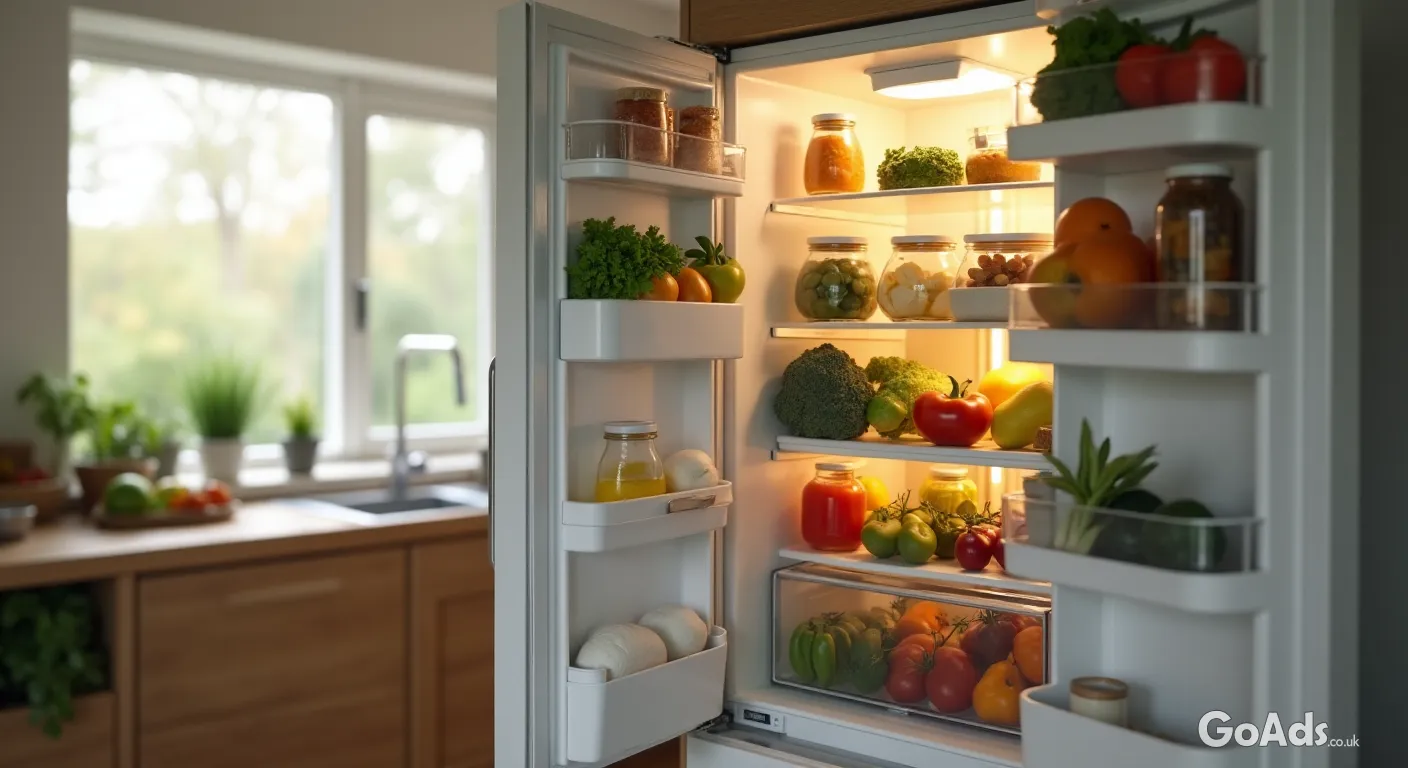
The Perfect Fridge Hierarchy
Upper Shelves: Ready-to-eat foods, deli, and leftovers.
Middle Shelves: Cheese, butter, and yogurt.
Bottom Shelf: Raw meat, poultry, and fish (the coldest part).
Crisper Drawers: Vegetables, salads, and fruit.
The Door: Condiments, juices, and water (the warmest part).
The Bottom Shelf: Safety First
The bottom shelf is the coldest part of your fridge. It’s the safest place to store raw meat, poultry, and fish. Not only does the lower temperature keep bacteria at bay, but keeping meat at the bottom prevents any accidental drips from cross-contaminating the rest of your groceries. Always keep these items in their original packaging or a sealed tray.
"A well-organised fridge isn’t just about aesthetics; it’s a powerful tool for reducing food waste and lowering your carbon footprint."
Mastering the Crisper Drawers
Most modern fridges come with humidity-controlled drawers. If yours has sliders, use them! High humidity is great for leafy greens that wilt easily (like spinach or herbs), while low humidity is better for fruits and veggies that emit ethylene gas (like apples or pears), which can cause other produce to rot prematurely. Mastering this balance is a key pillar of Sustainable Living at home.
The door is the warmest part of the fridge because it’s exposed to room temperature every time you open it. Contrary to popular belief, it’s the worst place for milk or eggs. Reserve the door for items with natural preservatives, such as jams, condiments, mustard, and bottled water. Keep your milk deep on a middle shelf where the temperature is constant.
Quick Wins for Fridge Efficiency
Don’t overfill: Air needs to circulate to keep everything cool.
Check the seals: A leaky gasket makes the motor work harder and wastes energy.
Label your leftovers: Use a marker and tape to date when things were cooked.
The 'First In, First Out' rule: Move older items to the front when you unpack your shopping.
Cleaning for Longevity
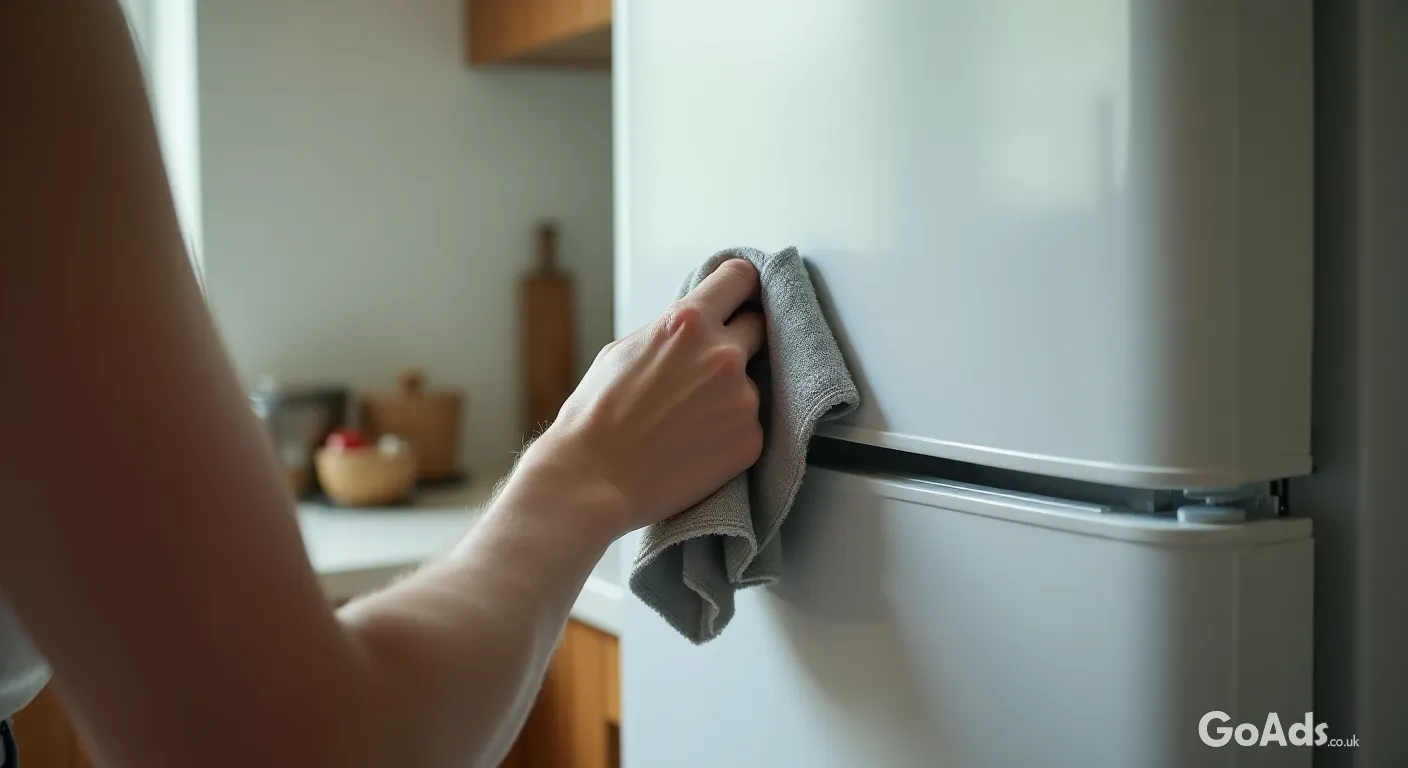
A clean fridge is an efficient fridge. Every few months, take everything out and wipe down the shelves with a mixture of warm water and bicarbonate of soda. This neutralises odours without using harsh chemicals. Don’t forget to vacuum the coils at the back if they’re accessible; dust build-up can significantly reduce cooling efficiency and hike up your electric bill.
Final Thoughts
Taking ten minutes after your weekly shop to organise your fridge according to these zones will save you a fortune over the year. You’ll find yourself throwing away less food, your meals will taste fresher, and your appliances will last much longer. It’s a simple habit that pays dividends for both your wallet and the planet.












 Secure buying and selling
 Terms of Use
 GoAds.co.uk Facebook