The Hidden Grime Fighter: How to Deep Clean and Maintain Your Dishwasher for Spotless Results
Kitchen & Household
📅 2026. 04. 27.
Is your dishwasher leaving spots on your glasses or smelling a bit funky? Give your hardest-working kitchen helper some TLC with these expert maintenance tips.
The Hardest Working Appliance in Your Kitchen
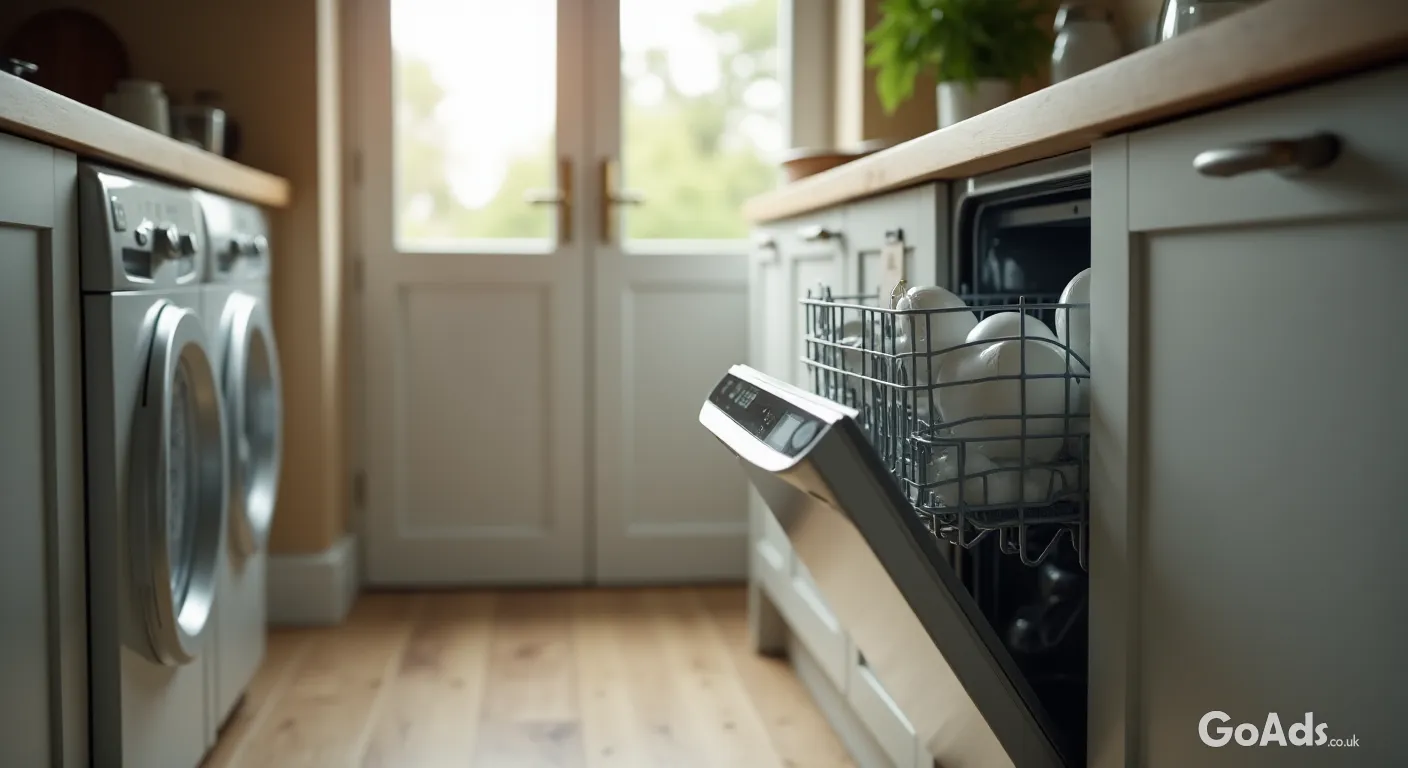
We often take our dishwashers for granted. We load them up, press a button, and expect sparkling plates in return. But over time, grease, food particles, and limescale build up in the nooks and crannies, leading to poor performance and unpleasant odours. If you have noticed cloudy glasses or a lingering smell, it is time for a deep clean. If your current machine is beyond a simple scrub, you can always find a budget-friendly replacement among the kitchen equipment classifieds.
A clean dishwasher does not just wash better; it lasts longer and uses energy more efficiently.
Step 1: Tackle the Filter
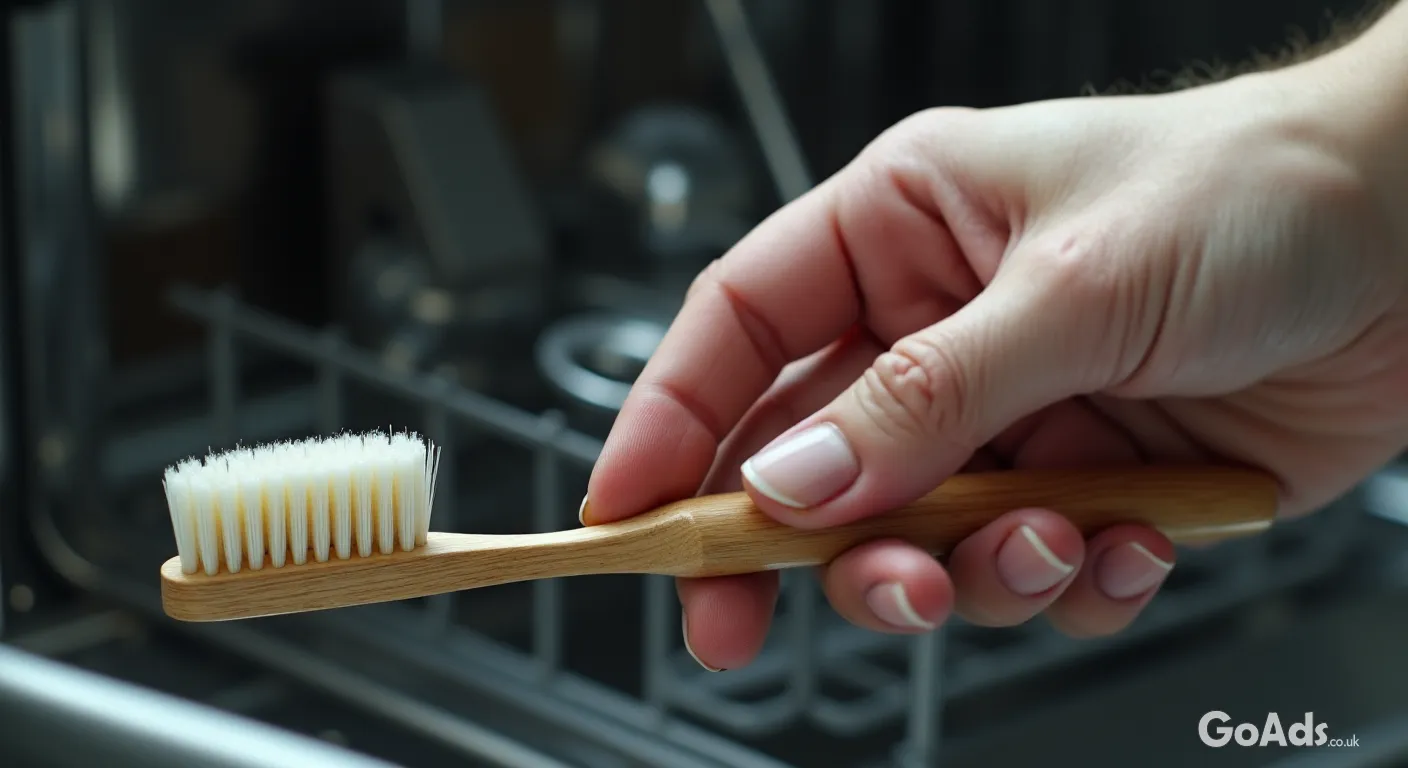
The filter is the frontline of your dishwasher's defence. Located at the bottom of the tub, it catches all the large food debris. Most modern machines have a cylindrical filter that you can simply twist and lift out. Take it to the sink and wash it under warm, soapy water. Use a soft brush to remove any stubborn bits. Do this once a month to prevent blockages and smells.
How to Clean the Spray Arms
Carefully unscrew or unclip the upper and lower spray arms.
Check the small holes for blockages like seeds or toothpicks.
Use a toothpick or a pair of tweezers to gently clear any debris.
Rinse the arms under a running tap to ensure water flows freely through all exits.
The Secret to a Fresh Seal
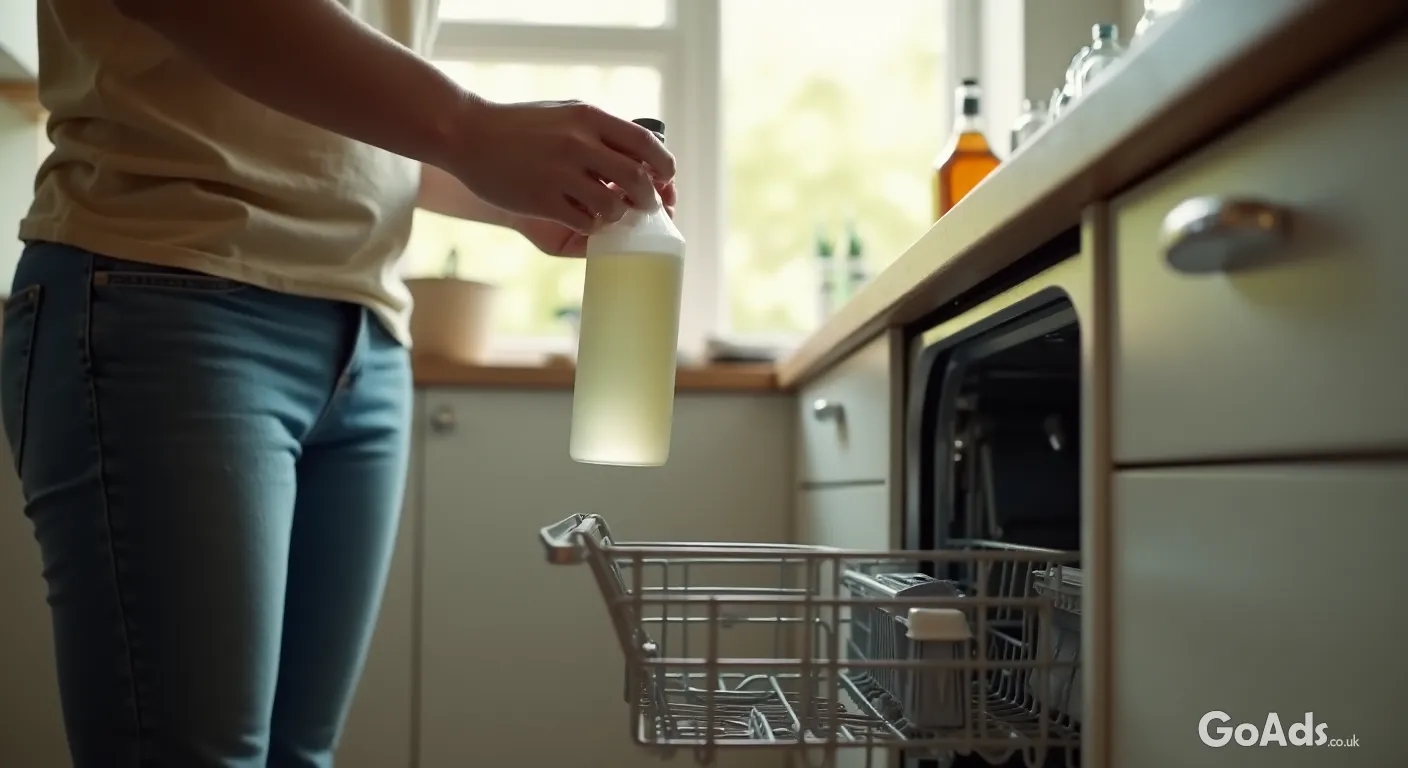
The rubber door seal (the gasket) is a prime spot for mould and mildew. Because it stays damp and dark, it can quickly become a source of bad smells. Take a damp cloth dipped in a mixture of warm water and white vinegar and wipe all the way around the seal. Don't forget the bottom edge of the door, where water often splashes but rarely drains away properly.
Banishing Limescale and Grease
Even if the inside looks clean, limescale can build up on the heating elements and inside the pipes. You don't need expensive chemicals to fix this. Place a dishwasher-safe bowl filled with white vinegar on the top rack and run a hot cycle while the machine is otherwise empty. This will break down grease and dissolve limescale, leaving the stainless steel interior gleaming.
Pro Tip: Sprinkle a cup of bicarbonate of soda on the floor of the dishwasher after the vinegar cycle and run one more short, hot rinse for extra freshness.
Daily Habits for Longevity
Maintenance is not just about the big cleans; it is about how you use the machine every day. Stop pre-rinsing your dishes in the sink—modern detergents actually need a bit of food protein to work effectively. However, do make sure you scrape off large solids like bones, pips, or thick sauces. This keeps the filter cleaner for longer and prevents the pump from overworking.
Signs Your Dishwasher Needs Attention
Water remains at the bottom of the tub after a cycle.
The dishes feel gritty or have a white film on them.
The machine makes a loud humming or buzzing noise during the drain cycle.
There is a damp, musty smell coming from the unit when the door is opened.
The Importance of Salt and Rinse Aid
If you live in a hard water area in the UK, using dishwasher salt is essential. It softens the water and prevents limescale from ruining the internal components. Similarly, rinse aid isn't just for shine; it helps the water slide off the dishes, which speeds up the drying process and prevents water spots. Keep these reservoirs topped up regularly.
Conclusion
A little bit of regular maintenance goes a long way in keeping your kitchen running smoothly. By following these simple steps, you can save money on repairs and ensure your dishes come out hygienic every time. For more expert advice on maintaining your home and making the most of your appliances, be sure to browse our Kitchen & Household magazine for more handy guides.







![CHEF ROYALE [10 pack] x 28oz Rectangular Black Base Meal Prep Containe](https://goads.co.uk/imgs2/chef-royale-10-pack-x-28oz-rectangular-black-base-meal-prep-containe_3415546_1_thumb2.jpg)



 Secure buying and selling
 Terms of Use
 GoAds.co.uk Facebook