Golden Years: How to Adapt Your Home for an Ageing Pet
Pets
📅 2026. 03. 24.
Discover how to make your home safer and more comfortable for your senior dog or cat with these practical, expert-backed tips.
Embracing the Senior Stage
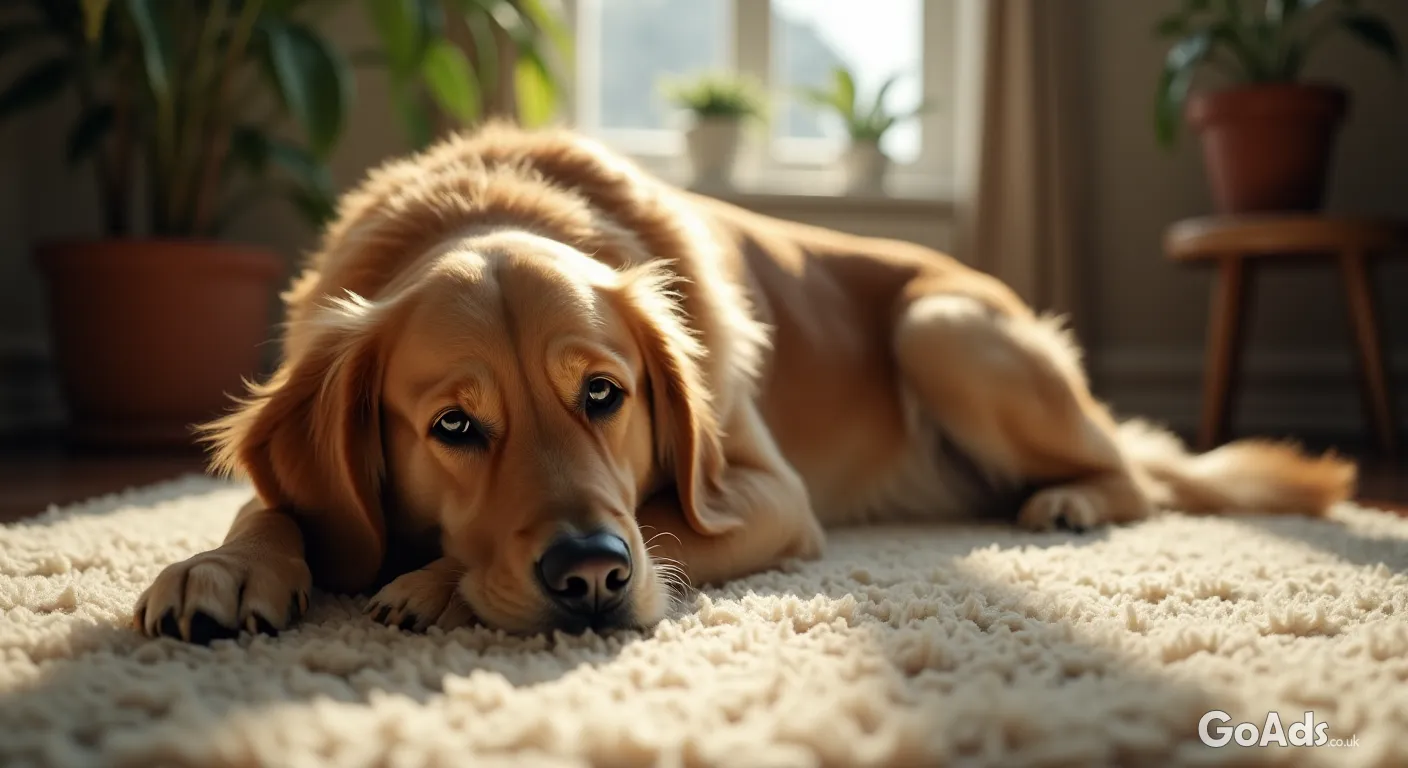
As our furry companions get a bit grey around the muzzle, their needs change just as much as ours do. Watching your once-energetic pup or agile kitten slow down can be tough, but it doesn't mean their quality of life has to decline. In fact, with a few clever tweaks to your living space, you can ensure their senior years are filled with comfort and dignity. It's all about spotting the subtle signs of stiffness or fading senses and reacting with a bit of domestic ingenuity.
Tackling the Slip Factor
One of the biggest challenges for older pets is laminate or tiled flooring. What used to be a fun sliding surface for a puppy becomes a dangerous skating rink for a dog with arthritis. If you notice your pet "Bambi-ing" on the kitchen floor, it's time to take action. You don't need to recarpet the whole house; simple runners or yoga mats placed in high-traffic areas can provide the necessary grip. For more permanent solutions, you can find essential geriatric pet supplies like non-slip socks or paw waxes that help them maintain their footing.
"The goal isn't to stop them moving, but to make every step they take feel secure and pain-free."
Leveling the Playing Field
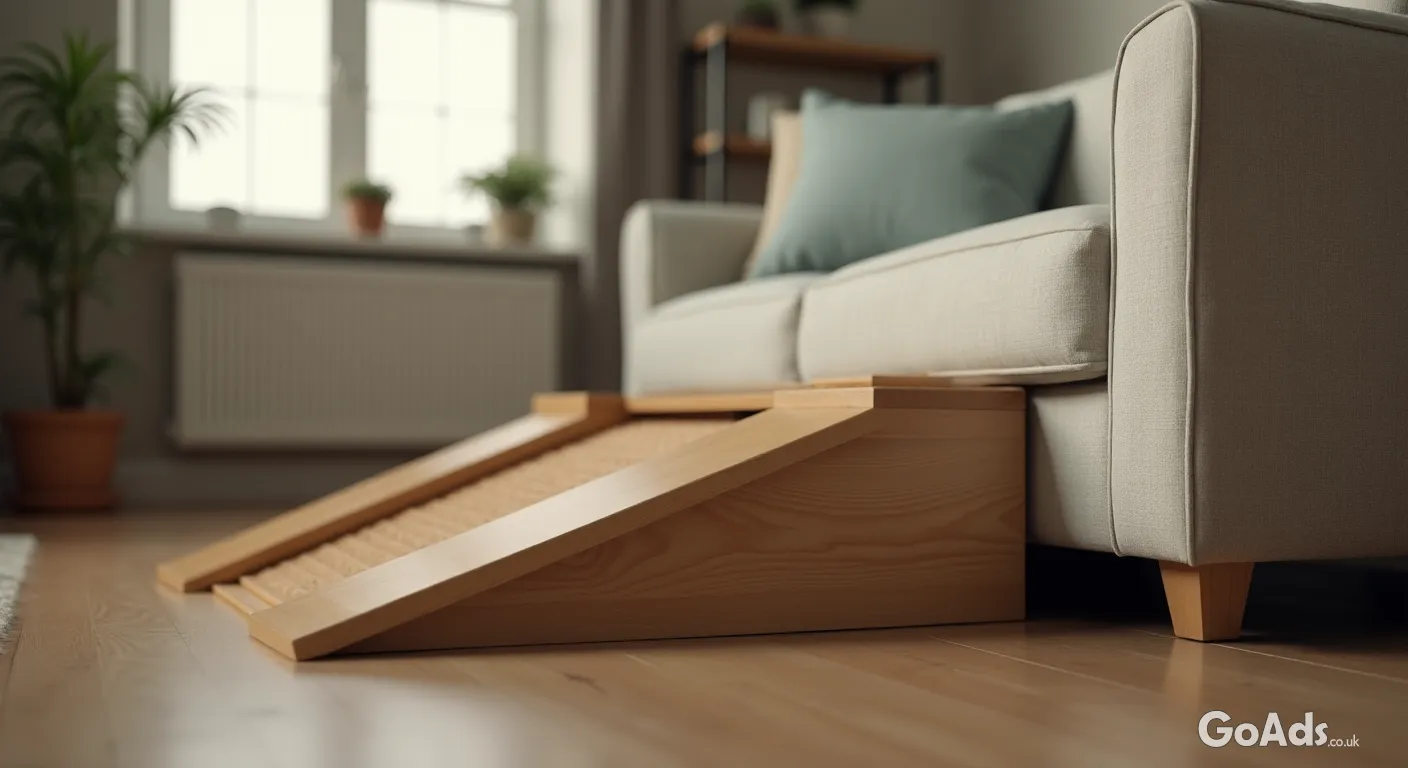
Does your cat still try to reach the top of the bookshelf but misses the jump? Or does your dog look longingly at the sofa, waiting for a lift? Jumping puts immense strain on ageing joints. Installing pet ramps or sets of shallow steps can be a game-changer. These allow your pet to access their favourite spots without the impact of leaping. When choosing a ramp, look for one with a high-traction surface and a weight capacity that suits your pet's breed.
The Importance of Orthopaedic Support
A thin mat on the floor just won't cut it anymore. Senior pets spend a lot of time sleeping, and a high-quality orthopaedic bed made of memory foam can significantly reduce morning stiffness. These beds support the joints and keep them off the cold floor. If your pet has a favourite spot that is difficult to clean, consider layering with waterproof covers to manage any "senior moments" or accidents without stress.
Quick Wins for Senior Comfort
Raise food and water bowls to elbow height to reduce neck strain.
Keep all essential resources (bed, food, water) on the ground floor.
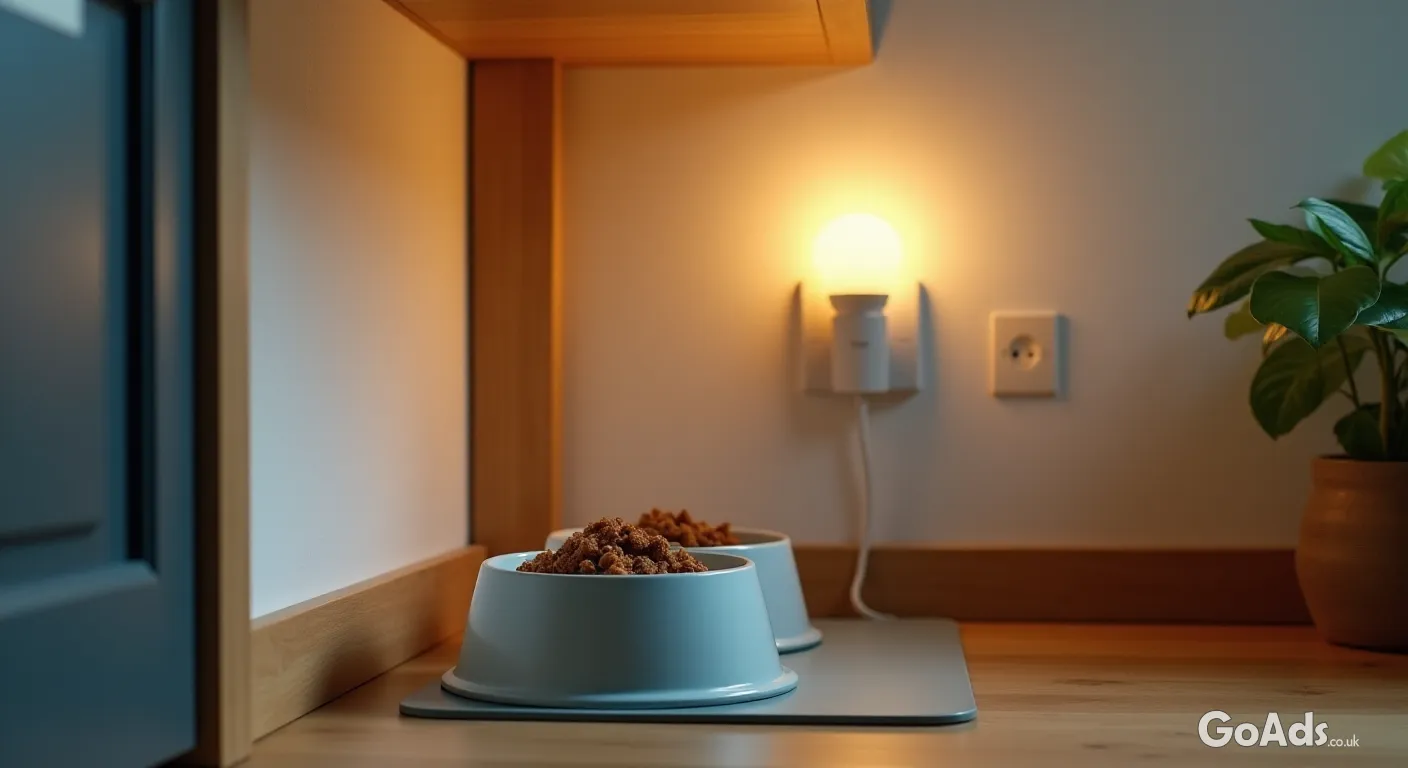
Use night lights near water bowls to help pets with fading vision.
Increase the frequency of grooming to help those who can no longer reach to clean themselves.
Seeing Things Differently
As vision fades, your pet relies more on muscle memory and scent. Avoid rearranging the furniture, as this can be incredibly disorienting for a pet with cataracts. If you must move things, do it gradually. Scent markers—like a tiny drop of lavender oil on a table leg—can help a blind dog navigate a room more confidently. For more advice on managing age-related health changes, checking out various pet care guides can provide deeper insights into breed-specific senior needs.
Dining in Comfort
Arthritis in the neck and spine can make bending down to eat quite painful. Raised feeders are a simple fix that can improve your pet's appetite and digestion. Ensure the bowls are placed on a non-slip mat so they don't migrate across the room while your pet is trying to eat. If your pet is on a complex medication schedule, it might be worth looking for local professional pet services such as mobile vet techs or experienced sitters who can help with administration while you are at work.
The Great Outdoors: Safe Exploration
The garden should remain a place of joy, but it might need a safety audit. Check for steep drops off patio edges and ensure there are no toxic plants that a confused senior might nibble on. If your pet has a "favourite" spot at the bottom of the garden, consider creating a clear, debris-free path for them. Even a small ramp over a single doorstep can make the transition from indoors to outdoors much easier for a dog with hip dysplasia.
Garden Safety Checklist
Ensure fences are secure, as confused pets may wander.
Block off access to garden ponds or steep steps.
Provide a shaded, padded outdoor resting area.
Keep grass short to make walking easier for stiff legs.
Final Thoughts
Adapting your home for a senior pet is an act of love. It requires a bit of observation and a touch of DIY, but the reward is seeing your old friend navigate their world with confidence again. By making these small adjustments, you aren't just changing your house; you are extending the quality of the years you have left together. Keep an eye on their comfort, consult your vet regularly, and enjoy the slower, gentler pace of life that comes with a senior companion.








 Secure buying and selling
 Terms of Use
 GoAds.co.uk Facebook