Finding Your Forever Project: How to Spot Renovation Potential Without Losing Your Shirt
Property
📅 2026. 03. 17.
Buying a fixer-upper is the classic British way to climb the property ladder. Here is how to look past the avocado bathrooms and find a home with genuine structural promise.
The Hunt for the Diamond in the Rough
We have all seen those television shows where a derelict wreck is transformed into a sleek, modern masterpiece in forty-five minutes. In the real world, finding the right house to renovate takes a bit more legwork and a very keen eye. The goal is to find a property where the problems are cosmetic, not catastrophic. If you can look past the nicotine-stained ceilings and the 1970s carpets, you might just find a bargain that others are too afraid to touch.
"The best profit in property is made the day you buy, not the day you sell. Buy the worst house on the best street."
Kerb Appeal vs. Structural Integrity
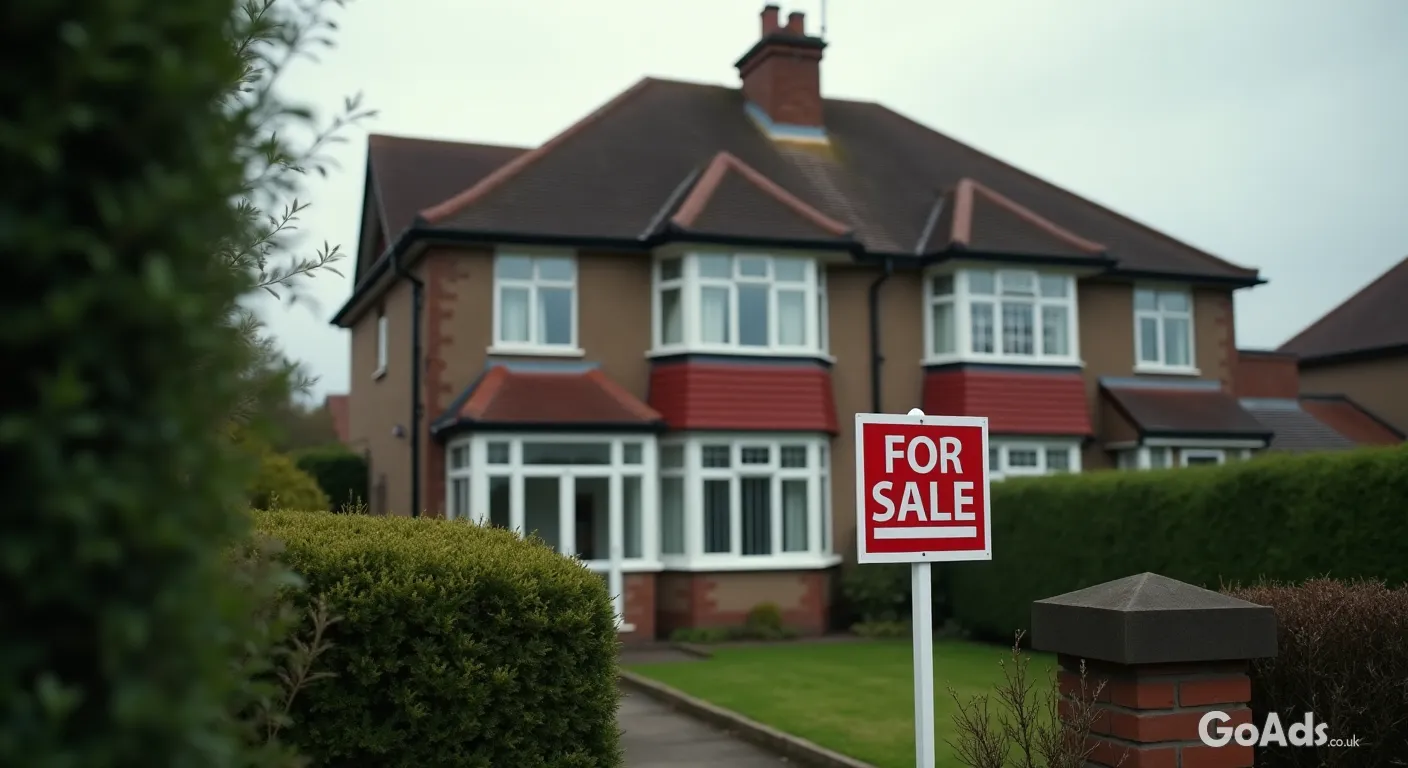
It is easy to be put off by a garden full of weeds or a front door that hasn’t seen a lick of paint in a decade. However, these are "easy wins." When viewing a potential project, you should be checking the roofline for dips, looking for cracks in the brickwork, and sniffing for that tell-tale musty scent of rising damp. For more advice on what to look for during a viewing, check out our latest guides in the property magazine section.
The "Big Three" Red Flags to Avoid
Subsidence: Large diagonal cracks, especially around windows and doors, can mean the ground is shifting.
Japanese Knotweed: This invasive plant can make getting a mortgage nearly impossible if it is found near the foundations.
Major Roof Issues: Replacing a few tiles is fine, but a sagging roof structure is a five-figure headache.
Layout is More Important Than Decor
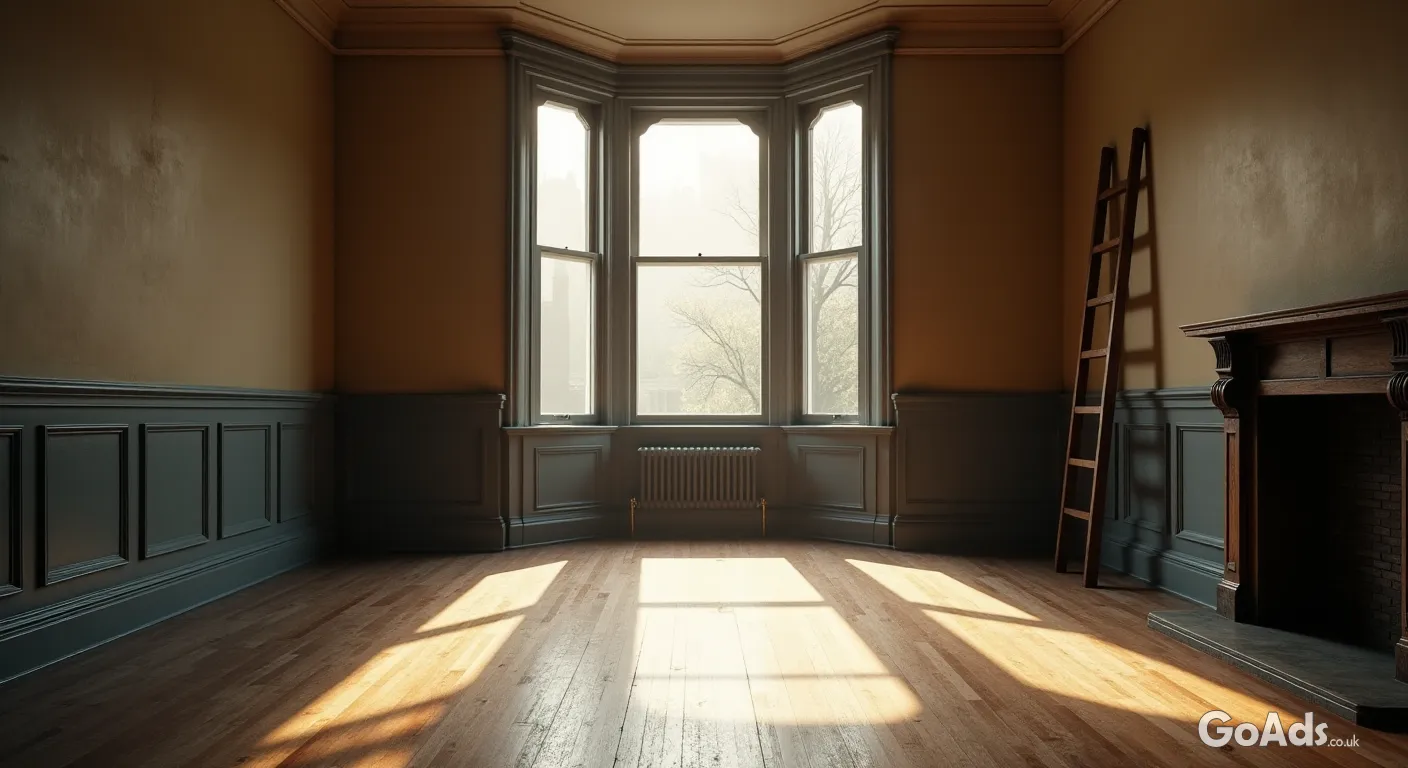
You can change a kitchen in a weekend, but moving a staircase or an external wall is a different beast entirely. Look for properties with "good bones"—large windows, high ceilings, and a logical flow. Often, simply knocking down a non-load-bearing wall between a cramped kitchen and a dining room can add thousands to the value. If you are planning a big change, you will need to source quality materials through construction and renovation listings to keep your margins healthy.
The Hidden Costs of Modernisation
Rewiring and replumbing are the silent budget-killers. If a house still has an old-fashioned fuse box or lead piping, factor those costs in immediately. These aren't exciting upgrades because you can't "see" them once they are done, but they are essential for safety and future resale value. Always keep a 15-20% contingency fund for the surprises that inevitably hide behind the plasterboard.
Location, Location, Location
It sounds like a cliché because it is true. You can fix almost anything about a building, but you cannot fix its location. Is it under a flight path? Is there a noisy pub next door? Before you commit to your next set of DIY projects, spend some time in the neighbourhood at different times of the day to ensure it is somewhere people will actually want to live once the work is finished.
Thinking Bigger: The Self-Build Option
If you find that every "fixer-upper" on the market is overvalued, it might be time to look at a different path. Sometimes, the value isn't in the bricks and mortar at all, but in the earth beneath it. Buying a plot of land and starting from scratch allows you to build a home that is energy-efficient and perfectly suited to your lifestyle from day one.
"Don’t fall in love with a house before the survey. Stay objective, run the numbers, and be prepared to walk away if the damp is deeper than your pockets."
Making the Offer
When you find the right one, move fast but stay firm. Use the findings from your survey to negotiate the price down. If the roof needs ten grand worth of work, that should come off the asking price. Sellers of unloved properties are often looking for a quick, hassle-free sale, which puts you in a strong position if you have your finances in order.










 Secure buying and selling
 Terms of Use
 GoAds.co.uk Facebook