The Leasehold Survival Guide: How to Navigate the Pitfalls of Flat Ownership
Property
📅 2026. 04. 21.
Buying a flat in the UK often means entering the world of leaseholds, service charges, and ground rents. Learn how to spot red flags before you sign the contract.
Understanding the Leasehold Maze
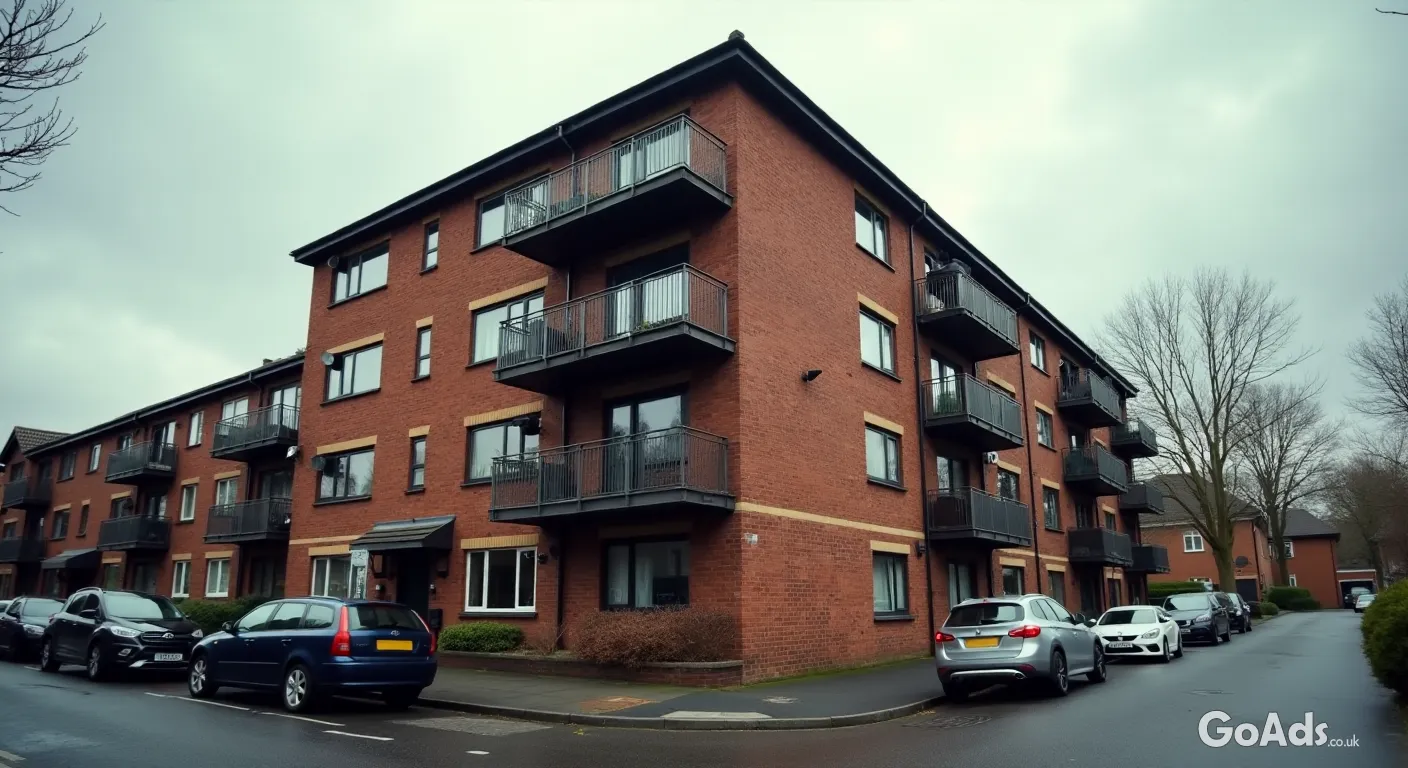
For many first-time buyers, snagging one of the many apartments for sale is the most viable route onto the property ladder. However, unlike buying a house (which is usually freehold), most flats in England and Wales are leasehold. This means you own the right to live in the property for a set period, but you don't own the land it stands on. It sounds simple, but the devil is always in the legal detail.
The Magic Number: Why 80 Years Matters
One of the first things you must check is the remaining term on the lease. If a lease drops below 80 years, it becomes significantly more expensive to extend due to something called marriage value. Even worse, many mortgage lenders are hesitant to offer loans on properties with short leases. Always aim for a property with at least 90 to 120 years remaining to ensure your investment stays secure.
Always ask your solicitor to confirm the exact number of years remaining on the lease before you put down a non-refundable reservation fee.
Scrutinising the Service Charge
When you live in a block, someone has to pay for the hallway lights, the lift maintenance, and the communal gardens. This is your service charge. While these are necessary, they can fluctuate wildly. Ask for the last three years of accounts to see if the costs are stable. A sudden spike might indicate a poorly managed building or upcoming major works.
Red Flags to Watch Out For
Doubling ground rent clauses that increase every 10 or 25 years.
A lack of a "sinking fund" or reserve fund for emergency repairs.
Restrictive covenants that ban pets or sub-letting.
High administration fees for simple tasks like providing a management pack.
Hidden Extras: Parking and Storage
Don't assume that your flat comes with a place to put your car or your bike. Often, parking spaces are leased separately or require an additional permit fee. If the flat is tight on space, you might find yourself looking for a nearby garage to rent or buy just to store your seasonal gear. Make sure you know exactly what is included in your "demised" premises.
Who actually runs the building? Is it a professional management company or a "Right to Manage" (RTM) company run by the residents? Resident-led management often means lower fees but requires more personal involvement. Professional firms can be more efficient but sometimes less transparent with their spending. You can find more advice on navigating these choices in our property guide section.
Final Thoughts: Knowledge is Power
Buying a leasehold property shouldn't be scary, provided you go in with your eyes wide open. Get a surveyor who specialises in flats, hire a solicitor who knows leasehold law inside out, and never be afraid to ask "too many" questions. Your future self will thank you when it comes time to sell.














 Secure buying and selling
 Terms of Use
 GoAds.co.uk Facebook