The Good Life Lite: How to Start Your Own Smallholding on a Budget
Property
📅 2026. 03. 16.
Dreaming of fresh eggs and homegrown veg? Here is how to navigate the UK property market to find the perfect plot for your hobby farm adventures.
The Rural Dream: More Accessible Than You Think
We’ve all had that daydream during a particularly long Monday morning: quitting the rat race, buying a few acres in the British countryside, and finally living "The Good Life." While a 50-acre working farm might be out of reach for most, the "Good Life Lite"—a manageable smallholding or hobby farm—is becoming an increasingly popular reality for many families and retirees across the UK. You don’t need a massive inheritance to get started; you just need a bit of savvy and the right strategy.
Finding Your Patch of Green
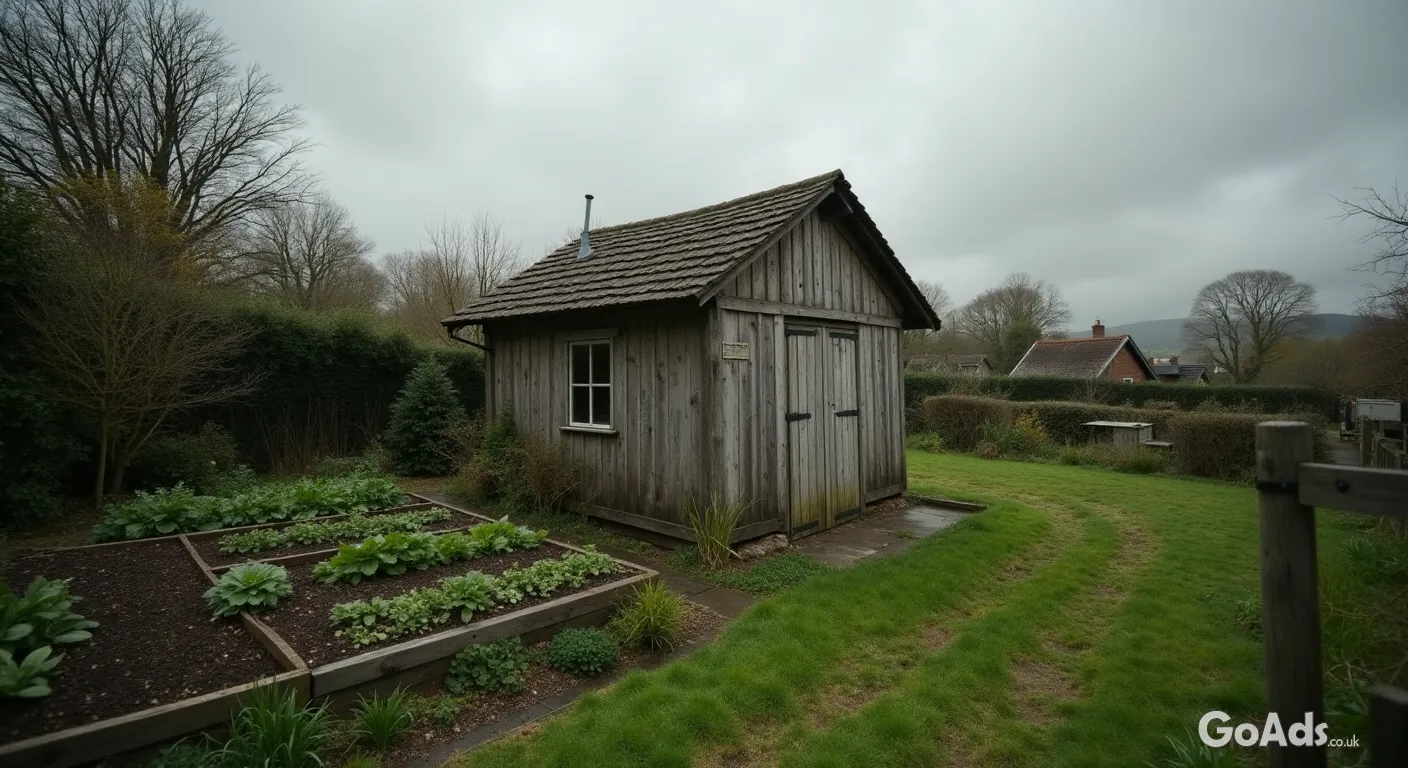
The first hurdle is, of course, the land. Many people make the mistake of looking only for established farms, which carry a hefty price tag. Instead, look for versatile parcels that offer potential. When searching through UK land and plots, keep an eye out for "amenity land" or smaller paddocks that might be adjacent to residential areas. These are often much more affordable and perfect for a few goats, a polytunnel, or an orchard.
"The best time to plant a tree was twenty years ago. The second best time is today—preferably on your own half-acre."
What to Look for Before You Buy
Water Access: Is there a mains connection, a borehole, or a reliable stream? Animals and crops are thirsty business.
Soil Quality: Is it heavy clay, sandy, or rich loam? This dictates what you can grow.
Boundaries: Check the state of the fences and hedges. Replacing a perimeter is a significant hidden cost.
Access: Can you get a vehicle (or a small tractor) onto the site year-round without getting bogged down?
Understanding Planning and Permissions
This is where things can get a bit "country." Just because you own the land doesn't mean you can build a three-bedroom house on it. However, many smallholdings benefit from "permitted development" rights for agricultural buildings like sheds or hay stores. If you are serious about turning your plot into a business, you might eventually apply for an agricultural tie, but for most hobbyists, sticking to movable structures and temporary shelters is the easiest way to start without a legal headache.
Staying Safe in the Shires
Property and land transactions involve significant sums of money, so due diligence is your best friend. Always verify the seller's identity and ensure the title deeds are clear. Before you part with any deposit, it is well worth reading through a safe buying and selling guide to ensure you are protected from common rural property scams or boundary disputes that can plague the unwary buyer.
Scaling Up Your Search
If you have a slightly larger budget or are looking for something with existing outbuildings, you might want to broaden your horizons. Transitioning from a simple plot to something with a barn or a stable can transform your hobby into a lifestyle. Take a look at the latest agricultural property listings to see what kind of infrastructure is currently on the market. Sometimes, a derelict barn with a bit of land is the perfect "fixer-upper" for a budding smallholder.
Start Small, Think Big
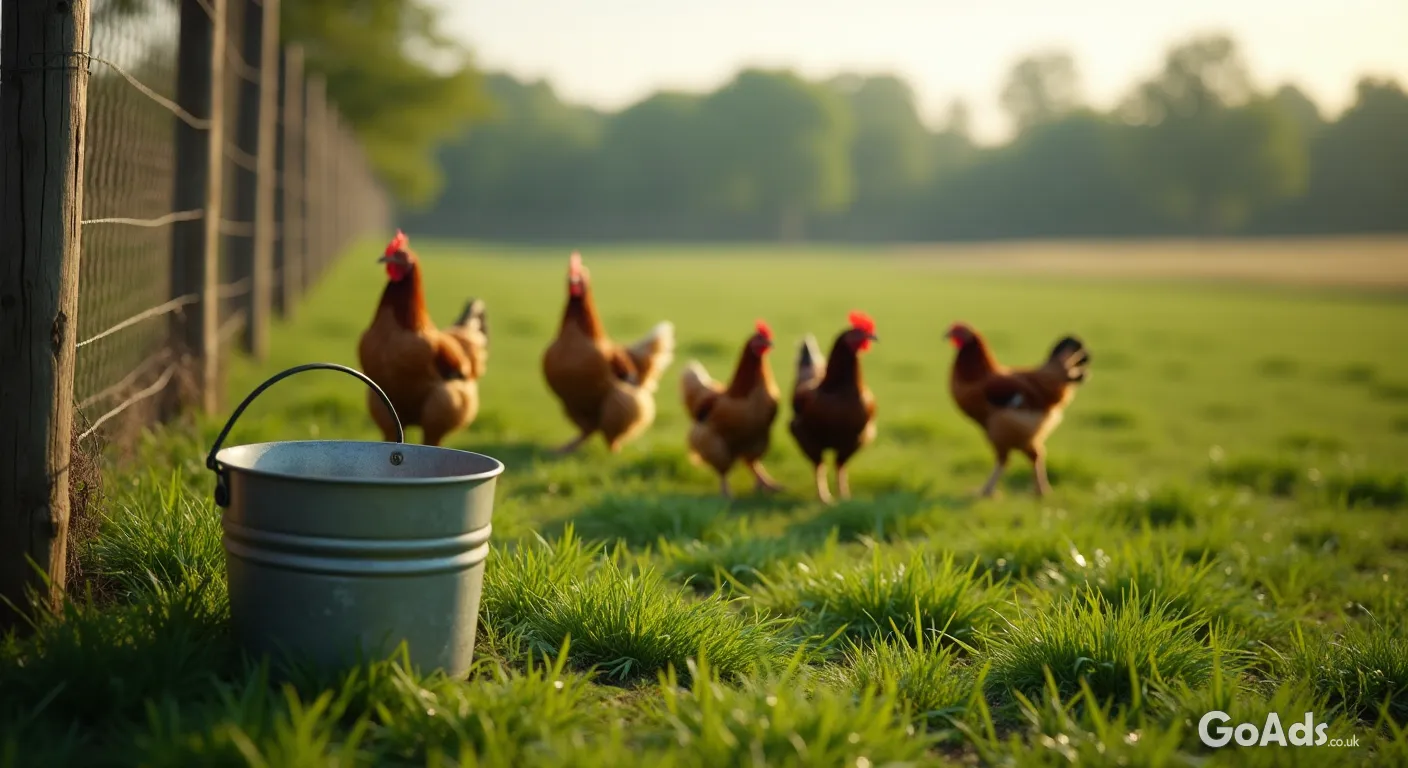
The secret to a successful smallholding is not to overreach in the first year. Start with six chickens and a few raised beds. Learn the rhythm of the seasons and the quirks of your soil. The "Good Life" isn't about having the biggest tractor; it's about the satisfaction of a breakfast made entirely from your own land. Happy farming!











 Secure buying and selling
 Terms of Use
 GoAds.co.uk Facebook