The Shared Ownership Shuffle: How to Staircase Your Way to Full Equity
Property
📅 2026. 05. 05.
Buying a share of a home is a great way to get on the ladder, but the real magic happens when you start staircasing. Here is how to navigate the process and eventually own 100% of your property.
Getting Your Foot in the Door
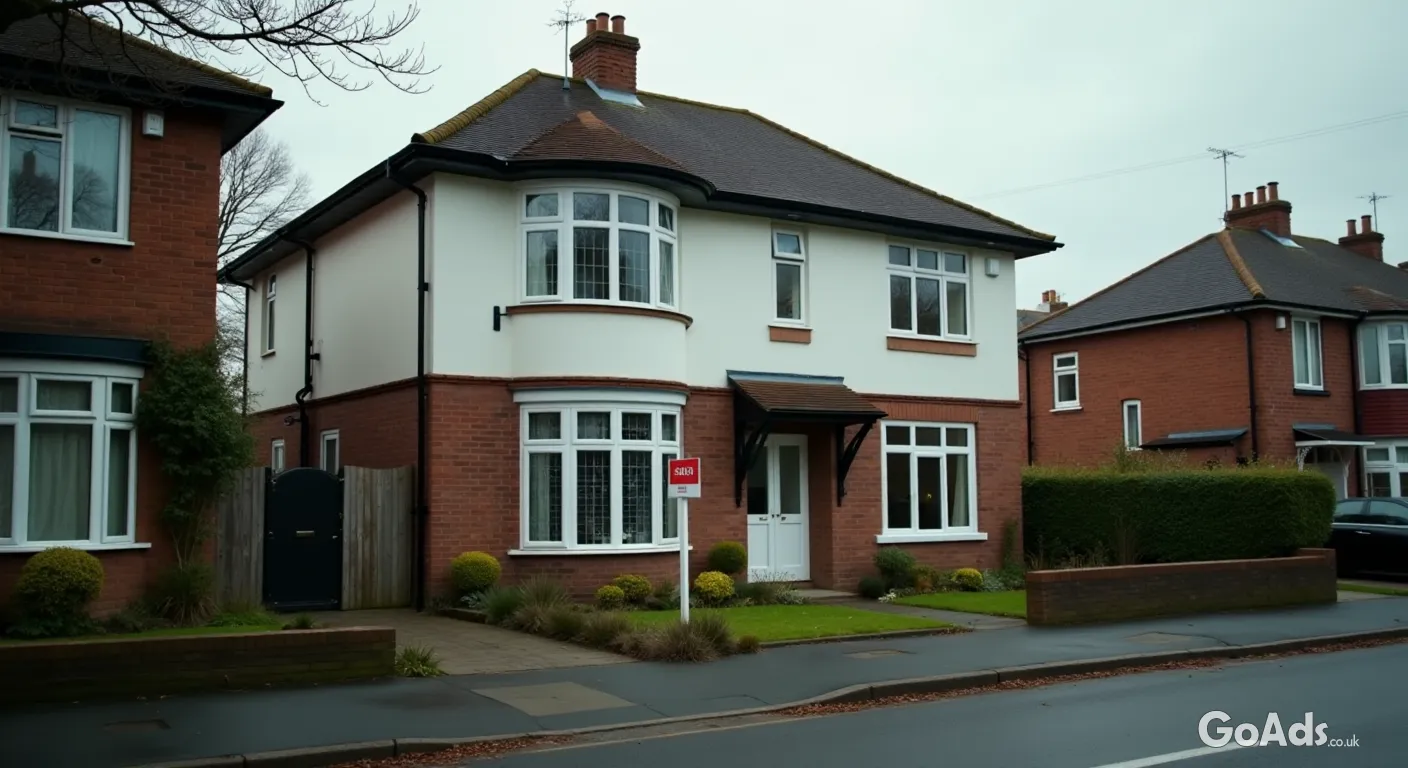
For many across the UK, shared ownership has been the only viable path to homeownership. It is a brilliant system—you buy a percentage of a property and pay rent on the rest. But the ultimate goal for most is "staircasing," the process of buying more shares until you own the whole thing. Whether you are living in a sleek modern apartment or a suburban terrace, understanding how to level up your ownership is key to long-term financial freedom.
Wait, What Exactly is Staircasing?
Think of it as a video game level-up for your finances. You usually start with a share between 25% and 75%. Staircasing allows you to buy additional chunks—usually in increments of 10% or more—at the current market value. The more you own, the less rent you pay to the housing association. It is a gradual transition from tenant-owner to full-blown freeholder or leaseholder.
The First Steps to 100%
Check your lease: Some older leases have a limit on how much you can buy, though most modern ones allow for 100% ownership.
Check your finances: Can you afford the extra mortgage payments or do you have the cash saved up?
Contact your housing provider: They will have a specific department to handle staircasing requests.
The Valuation: The Make-or-Break Moment
This is where things get real. You cannot just decide what the extra 25% is worth based on what your neighbour sold their house for. You need a RICS-qualified surveyor to provide an official valuation. This price is what you will pay for the new share, and it is usually only valid for three months. If the market is booming, your share costs more; if it is dipped, you might get a bargain.
Pro Tip: Remember that any improvements you have made to the property (like a new kitchen or conservatory) should be highlighted to the valuer so they can potentially disregard that added value from the purchase price!
The Legal Legwork
Even though you already live there, staircasing is a legal transaction. You will need a solicitor to handle the "memorandum of staircasing" which gets tucked into your lease. It is a bit like buying a house all over again, just without the stress of moving boxes. If you are looking for more advice on navigating the market, our property magazine section is packed with guides on the finer points of UK law.
Hidden Costs to Budget For
Surveyor fees (usually £250 - £500).
Solicitor fees (budget around £500 - £1,000).
Housing association admin fees.
Mortgage arrangement fees if you are remortgaging to fund the purchase.
Financing the Jump
Most people staircase by extending their existing mortgage or remortgaging to a new lender. Since you now have more equity in the home, you might actually find you qualify for better interest rates than when you first bought. It is always worth chatting with a broker who specialises in shared ownership to see what deals are on the table.
Reaching the Summit
Once you hit 100%, life changes. In most cases, you stop paying rent entirely. If you are in a semi-detached or detached house, you might even be able to acquire the freehold. This is the moment you truly become the master of your domain, with the freedom to sell on the open market without the housing association sitting in the middle of the deal.
The beauty of staircasing is that you do it at your own pace. There is no rush—do it when your career takes off or when you have saved enough to make the numbers work for you.
Is Now the Right Time?
Deciding when to staircase depends heavily on the local market. If you think property prices in your area are about to skyrocket, buying more now locks in today's price. If things are stagnant, you might want to wait and build up a bigger deposit. Whatever you choose, shared ownership remains one of the smartest ways to hedge your bets in the British property market while building real wealth over time.












 Secure buying and selling
 Terms of Use
 GoAds.co.uk Facebook