Provenance and Paperwork: The Expert Guide to Authenticating High-Value Private Sales
Safe Buying & Selling
📅 2026. 03. 20.
Trading high-ticket items requires more than just a handshake. Learn how to verify history, check hallmarks, and document your transaction for total peace of mind.
The Importance of the Paper Trail
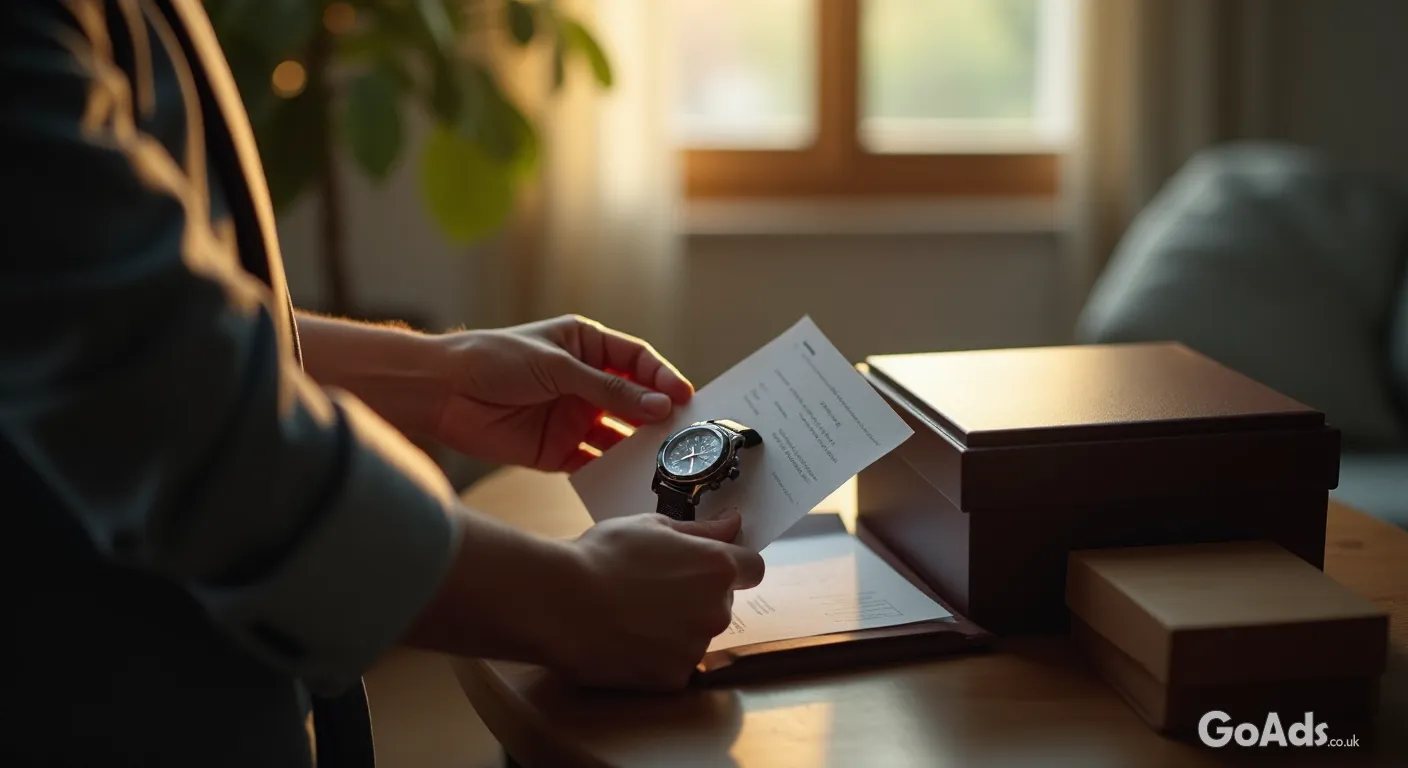
When you are looking to invest in something significant, whether it is a designer timepiece or a piece of history, the item itself only tells half the story. The other half is found in its provenance—the documented history of ownership. In the world of private sales, "buying the seller" is just as important as buying the goods. A genuine seller will always be happy to provide the background story and the necessary documents to prove an item is exactly what they claim it to be.
Verifying Authenticity and Hallmarks
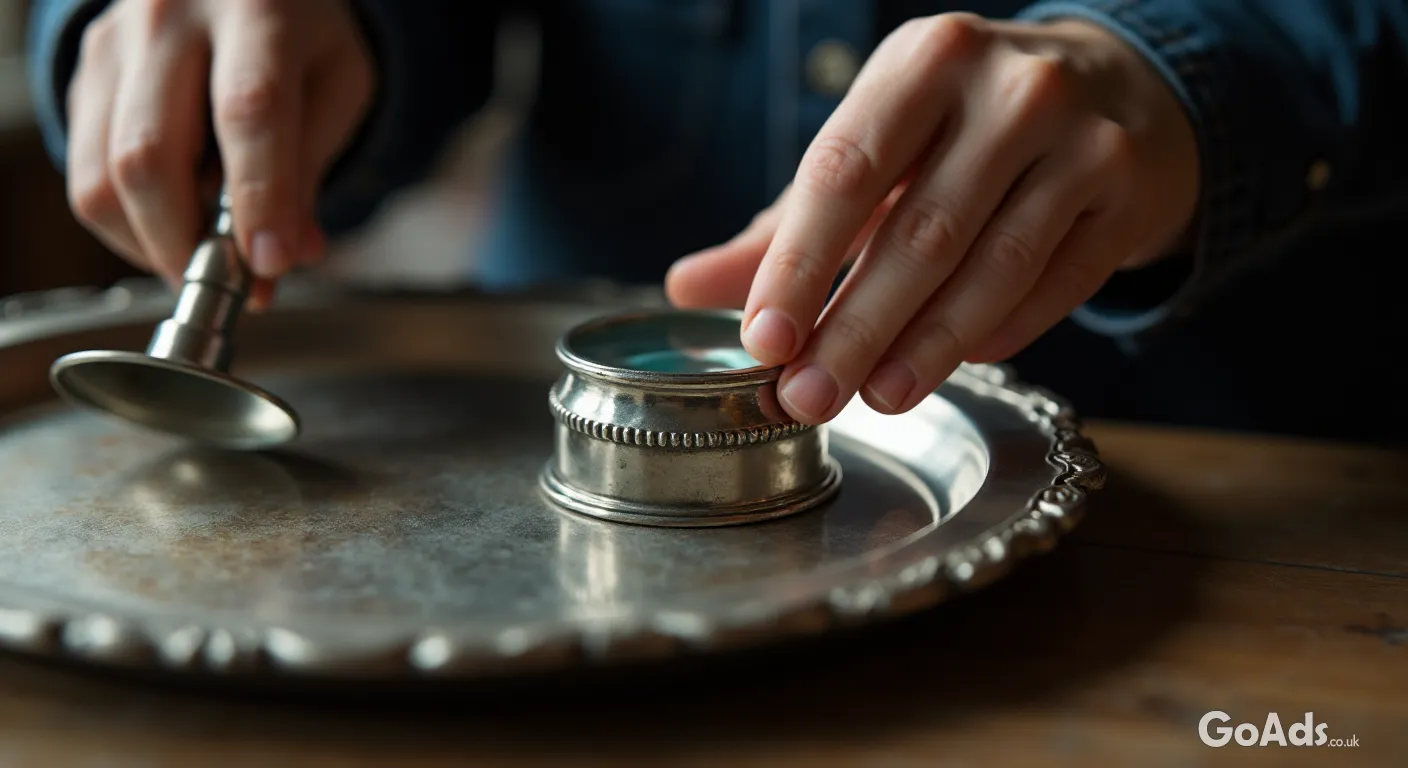
For those interested in pre-loved jewelry or silver, the first port of call should always be the hallmark. British hallmarking is some of the strictest in the world, providing a clear indication of metal purity, the office of assay, and often the year of manufacture. If a seller cannot point out these markings on high-value precious metals, it is a significant red flag. Always bring a loupe or use a high-quality macro camera on your phone to get a clear look at these tiny stamps before committing to a purchase.
Always cross-reference serial numbers with manufacturer databases where possible. Many luxury brands offer online verification tools to help you confirm an item is not registered as lost or stolen.
Handling the Logistics of Large Payments
Once you have verified the item, the next hurdle is the payment. For a used vehicle or high-end electronics, you should avoid carrying large amounts of cash. Faster Payments via banking apps are now the standard in the UK, allowing for near-instant transfers while you are still with the seller. However, always ensure you have seen the item in person and verified the seller's ID before hitting "send". If a deal feels rushed or the seller insists on an unusual payment method like gift cards or untraceable wire transfers, it is time to walk away.
The Buyer's Essential Checklist
Original Receipt: Even a faded thermal receipt from a high-street shop is gold dust for authenticity.
Service History: For mechanical items, look for recent specialist invoices.
Original Packaging: Boxes and dust bags significantly maintain the resale value.
ID Verification: Don't be afraid to ask for a quick look at a driving licence to match the name on the paperwork.
The Private Bill of Sale
Even for private transactions, a simple "Bill of Sale" can protect both parties. It doesn't need to be a complex legal document; a handwritten or printed note stating the date, the price, the item description (including serial numbers), and the names and signatures of both the buyer and seller is usually sufficient. This creates a clear break in ownership and provides a record for insurance purposes. You can find more advice on documenting your deals in our Safe Buying & Selling section, which covers the latest security trends.
Protecting Your Investment
Buying rare collectables and antiques is a fantastic way to find unique pieces with character, but it requires a bit of detective work. Look for "signs of life"—natural wear and tear that matches the age of the item. If something looks "too perfect" but is supposedly decades old, ask questions. A genuine collector will take pride in the history of their items and will be more than happy to explain the provenance, making the whole transaction a much more enjoyable and secure experience for everyone involved.











 Secure buying and selling
 Terms of Use
 GoAds.co.uk Facebook