The Digital Handshake: How to Spot Phishing and Payment Scams Before They Spot You
Safe Buying & Selling
📅 2026. 03. 22.
Trading online is a fantastic way to save money, but staying safe requires more than just a keen eye for a bargain. Learn how to identify and avoid the latest digital scams targeting buyers and sellers.
The Evolution of the Online Deal
We all love the thrill of finding a hidden gem or finally clearing out the spare room for some extra cash. But as the way we trade has moved from local newspapers to digital platforms, the tactics used by scammers have also evolved. It isn't just about checking the condition of the item anymore; it's about protecting your digital footprint and your bank account. Whether you are hunting for second-hand mobile phones or selling a vintage bike, staying one step ahead of the "digital handshake" is essential.
If a deal feels like it is moving too fast or the buyer is being unusually generous, your "scam-dar" should be ringing.
The Red Flag of Overpayment
One of the oldest tricks in the digital book is the overpayment scam. A buyer will "accidentally" send you a cheque or a digital transfer for more than the asking price, then ask you to refund the difference via a non-reversible method like a wire transfer. By the time their original payment bounces or is flagged as fraudulent, your "refund" is long gone. Real buyers will pay the agreed price—no more, no less.
Three Signs of a Phishing Attempt
Urgency: They pressure you to act immediately to "verify" your account or secure a payment.
Suspicious Links: They send an SMS or email with a link that looks like our site but has a slightly "off" URL.
Off-Platform Requests: They desperately want to move the conversation to WhatsApp or private email right away.
The "Friends and Family" Trap
Payment platforms often offer two ways to send money. Scammers will often insist you use the "Friends and Family" option because it carries no fees. What they don't tell you is that it also offers zero buyer protection. If the item never arrives, you have no recourse. Always use the "Goods and Services" option for a commercial transaction, even if it means paying a small percentage more for peace of mind.
Fake Confirmation Emails
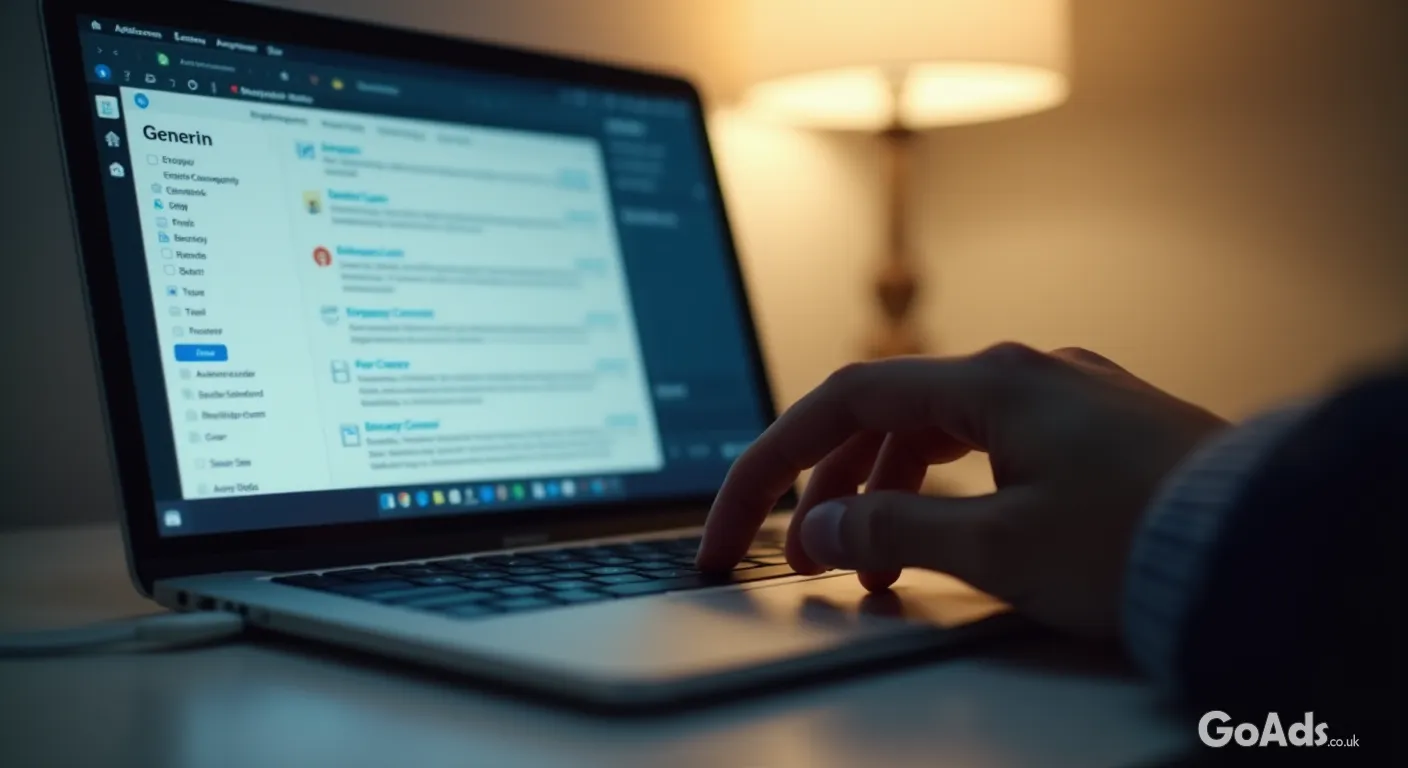
Never rely solely on an email notification to confirm that money has reached your account. Scammers are experts at spoofing official-looking emails from banks and payment providers. Always log in to your banking app or payment account independently through a trusted browser or the official app to verify the funds are actually there before you hand over the goods or post the item.
A genuine buyer will never mind you taking five minutes to verify that a transaction is legitimate.
Trust Your Gut, Protect Your Data
At the end of the day, your intuition is your best tool. If a buyer's profile looks brand new with no history, or if their English seems strangely formal and repetitive, proceed with caution. For more tips on navigating the marketplace securely, check out our dedicated Safe Buying & Selling guide. By keeping your personal details private and staying on-platform for communication, you make it much harder for scammers to find a way in. Happy—and safe—trading!











 Secure buying and selling
 Terms of Use
 GoAds.co.uk Facebook