Game, Set, Match: How to Score Professional Tennis Gear on a Budget
Sports & Leisure
📅 2026. 03. 20.
Ready to hit the courts but put off by the price of new rackets? Here is how to find pro-level tennis gear without the premium price tag.
The Smart Way to Start Your Season
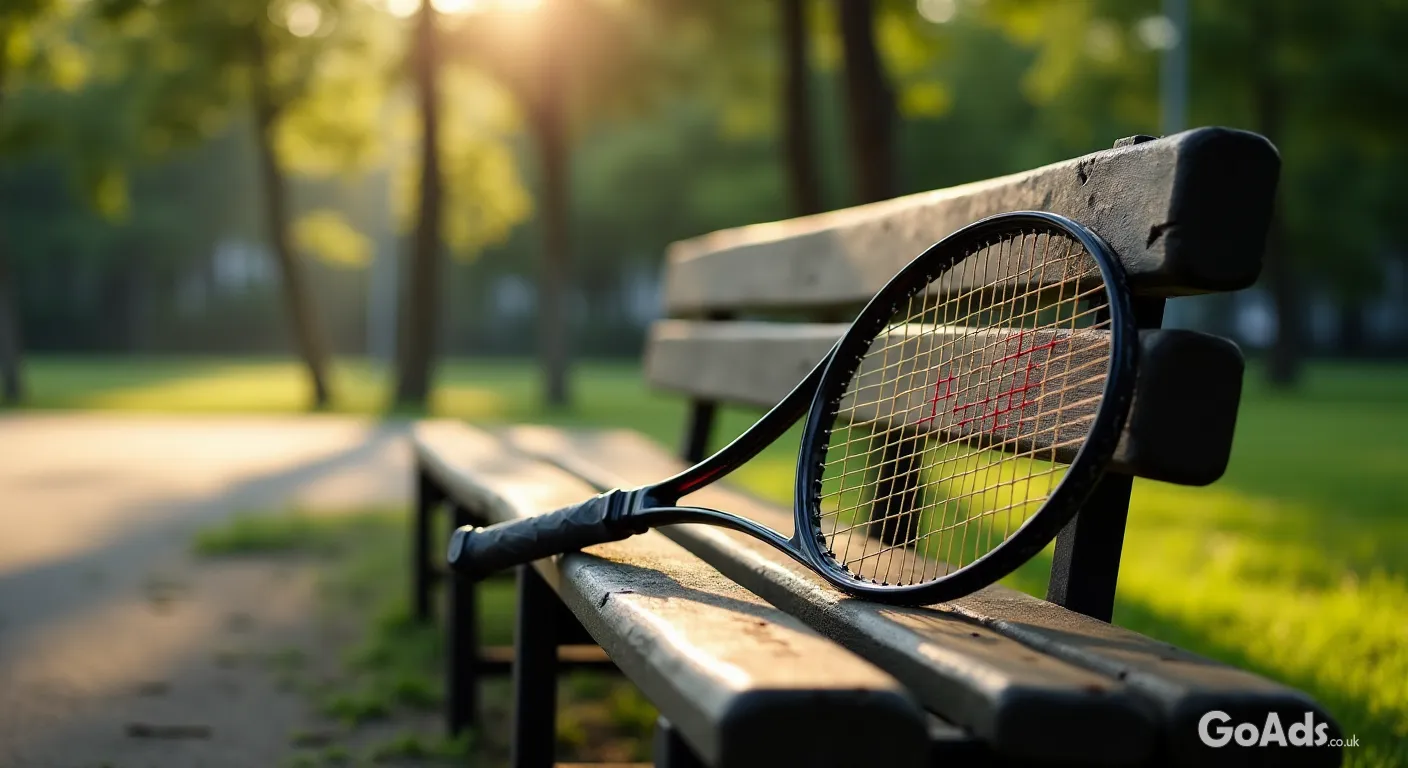
As the weather warms up and the local courts begin to buzz with activity, many of us feel that itch to grab a racket and work on our serve. But if you have walked into a high-street sports shop lately, you have probably noticed that a decent graphite racket can easily set you back north of £200. The good news? Tennis is one of those sports where high-end gear is frequently bought, used twice, and then tucked away in a cupboard. This makes the second-hand market a goldmine for anyone looking to level up their game without emptying their wallet.
Choosing the Right Frame
When you are browsing through listings, don't just go for the flashiest colours. You need to consider the technical specs. For most club players, a mid-plus head size (around 100 square inches) offers the best balance of power and control. If you are also looking for ways to stay active outdoors, you might find that while some folks are busy browsing fishing gear for a quiet morning, the fast-paced nature of tennis provides a completely different kind of thrill. Look for brands like Wilson, Babolat, or Head, as these frames are built to last and can be re-strung dozens of times.
A pro-level frame from five years ago is still lightyears ahead of a brand-new budget racket made of heavy aluminium.
The Critical Inspection Checklist
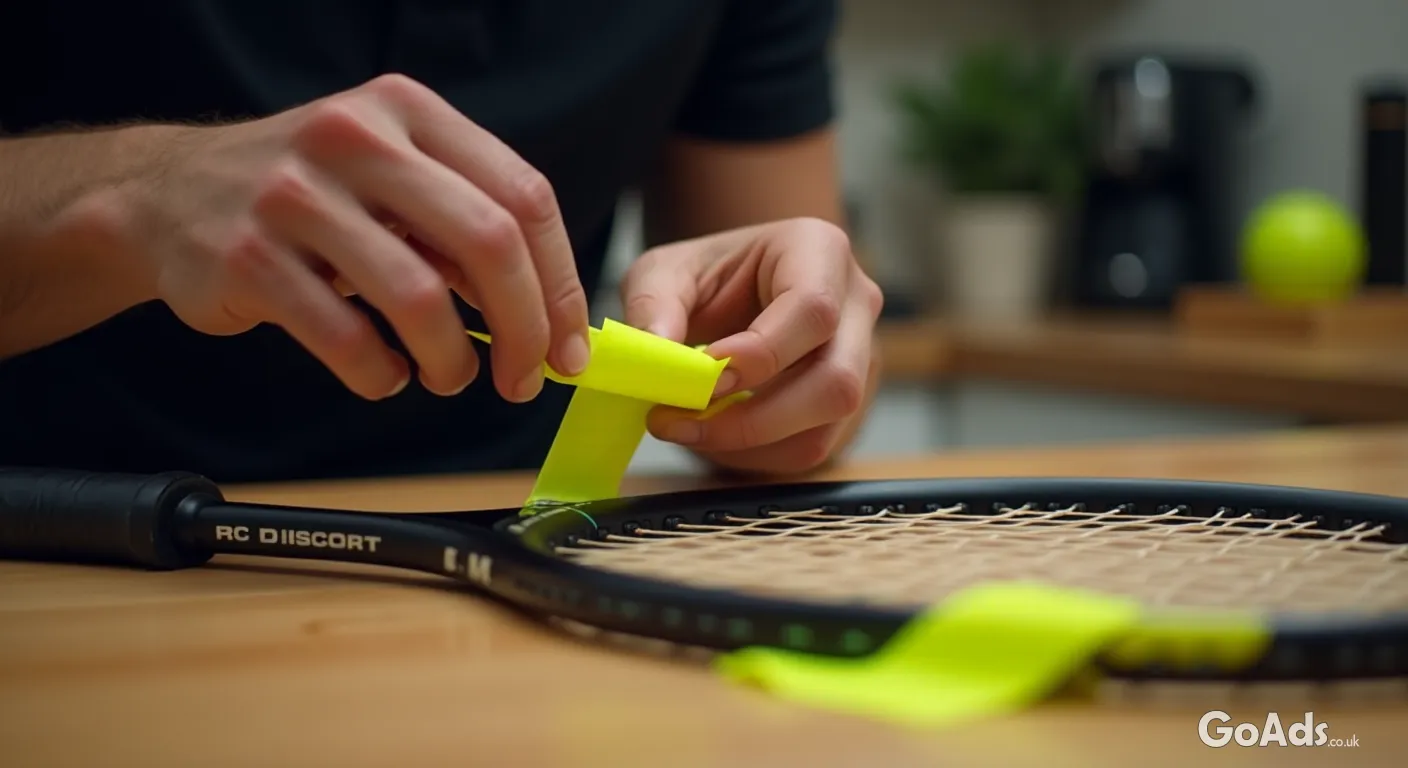
Buying pre-loved gear requires a keen eye. When meeting a seller, your first priority is to check for hairline cracks in the frame—especially at the 3 o'clock and 9 o'clock positions. Minor paint chips are purely cosmetic and shouldn't worry you, but a structural crack means the racket is toast. Don't worry about the state of the strings or the grip; these are "consumables" that you can easily replace yourself for a few pounds to make the racket feel brand new again. For more tips on making smart choices, check out our Sports & Leisure magazine section for more inspiration.
What to Look for in a Used Racket
Grip Size: Most adults use a size 2, 3, or 4. You can always make a grip larger with an overgrip, but you can't make it smaller!
Weight: Aim for something between 280g and 300g for a good mix of stability and manoeuvrability.
Balance: A "head-light" racket is easier to swing at the net, while "head-heavy" helps with baseline power.
Beyond the Racket: Bags and Balls
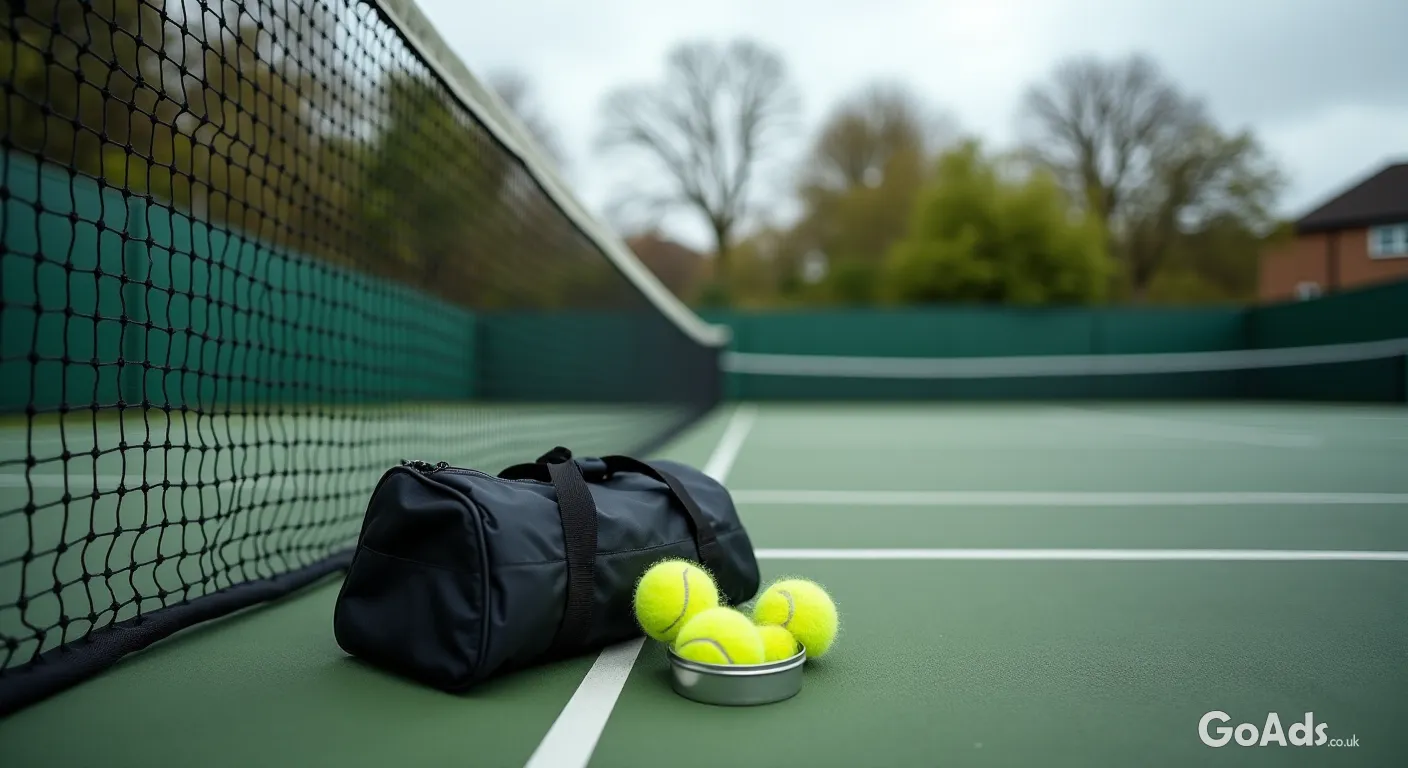
Once you have secured your frame, you will need a way to carry it. Second-hand tennis bags are often available for a fraction of their retail price. Upgrading your bicycles and accessories is a great way to stay active, but having a dedicated kit bag for your tennis gear ensures you never turn up to the court without your spare overgrips or water bottle. Look for bags with thermal lining, which helps protect your racket strings from temperature fluctuations.
The Sustainable Advantage
Choosing pre-loved isn't just about the money; it's a key pillar of sustainable living that keeps quality carbon fibre and high-tech materials out of landfills. Every time you buy a used racket, you are giving a high-performance tool a second life. So, before you head to the big-box retailers, take a look at what your local community has to offer. You might just find a championship-winning racket waiting for its next match.










 Secure buying and selling
 Terms of Use
 GoAds.co.uk Facebook