The Modern Hiker's Handbook: Gear Up for the Fells Without the High-Street Price Tag
Sports & Leisure
📅 2026. 03. 16.
Ready to hit the trails but intimidated by the cost of new kit? Discover how to find top-tier hiking gear on a budget and explore the great outdoors sustainably.
The Call of the Wild (on a Budget)
There is nothing quite like standing atop a peak in the Lake District or rambling through the Cotswolds on a crisp morning. But if you have stepped into a high-street outdoor shop recently, you might have noticed that a waterproof jacket can cost as much as a weekend away. The good news? You do not need to spend a fortune to be safe, warm, and stylish on the trails. As part of our Sports & Leisure section, we are diving into how you can assemble a pro-level kit bag without the premium price tag.
The best view comes after the hardest climb, but it is much easier to enjoy when your feet aren't soaking wet and your bank account isn't empty.
Mastering the Layering System
Before you start buying, you need to understand the "Big Three" of outdoor clothing: the base layer, the mid-layer, and the outer shell. The secret to staying comfortable in the unpredictable British weather is versatility. Instead of one massive, expensive coat, look for several thinner layers that you can add or remove as you climb. This is a core principle we often discuss in our Sustainable Living guide, as it encourages buying fewer, more purposeful items.
The Essential Kit Checklist
Wicking Base Layer: Avoid cotton! Look for synthetic or merino wool shirts that pull sweat away from your skin.
Insulating Mid-Layer: A simple fleece is your best friend here. They are lightweight, dry quickly, and are incredibly durable.
Waterproof Shell: This is where you should invest the most. Look for "breathable" fabrics to avoid the "boil-in-a-bag" feeling.
Sturdy Footwear: Whether you prefer boots or trail runners, grip and support are non-negotiable.
Why Pre-loved is the Pro Choice
The outdoor community is fantastic for upgrading gear, which means the second-hand market is booming with high-quality items. Many people buy "all the gear" for a single trip and then never use it again. This is your opportunity to snag quality sports equipment for a fraction of the retail cost. When browsing, look for reputable brands and ask the seller about the condition of the waterproof membranes or the tread on the soles.
The Footwear Dilemma: Boots vs. Shoes
The age-old debate continues. If you are tackling boggy marshes or rocky scree, a traditional boot offers ankle protection. However, many modern hikers are switching to trail runners for their lightness. If you are just starting out, a solid pair of mid-height boots is usually the safest bet. You can often find fantastic deals on outdoor accommodation and recreation gear, including footwear that has only seen a few miles of pavement.
Pro Tip: Always try on hiking boots with the actual socks you plan to wear. A thick woolly sock can change your size by half a grade!
Navigating Safely
While smartphone apps are brilliant, batteries die and signals drop in the valleys. A physical map and a compass are essential skills for any serious rambler. You do not need the most expensive GPS unit on the market; a basic baseplate compass and a local OS map will never let you down. Practice in your local park before heading into the wilder parts of the highlands.
Eco-Friendly Hiking Habits
Leave No Trace: Whatever you take in, you must take out. This includes biodegradable waste like banana skins.
Stick to the Path: To protect local flora and prevent erosion, stay on marked trails.
Repair Over Replace: Small tears in a waterproof jacket can often be fixed with a bit of tenacious tape.
Local Adventures: You do not need to fly across the world for a great hike; Britain has thousands of miles of public footpaths.
Fuel for the Trail
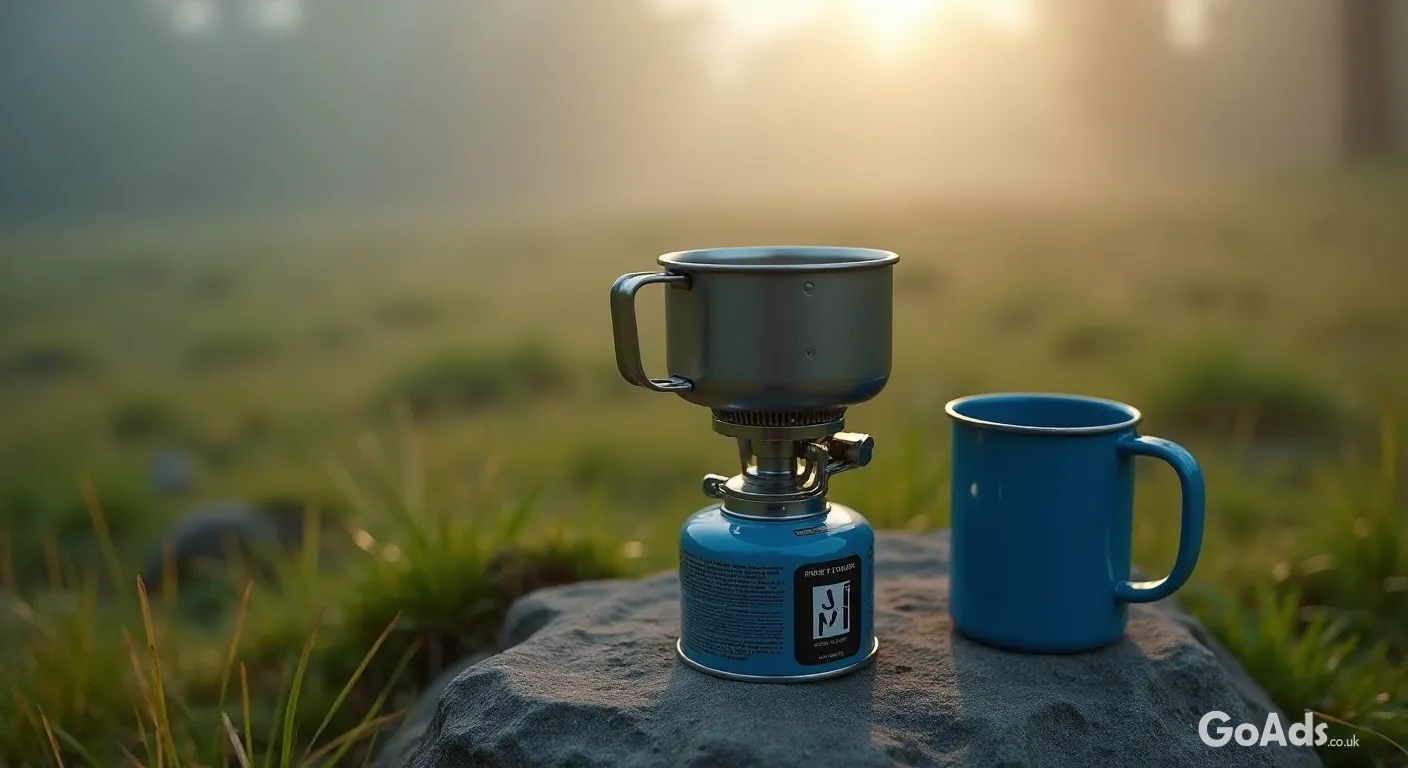
Forget expensive "energy gels" and specialized trek food. Most experienced hikers rely on simple high-calorie snacks: nuts, dried fruit, and the classic "trail mix." A lightweight stove can turn a cold lunch into a morale-boosting hot meal, and you can often find these second-hand for very little money. Just make sure to check the seal on any gas canisters before you set off.
The "Buy It For Life" Mentality
When it comes to leisure gear, sometimes spending a little more on a used, high-end brand is better than buying a cheap, new item that will fail after three hikes. Look for brands that offer lifetime warranties or repair services. It is better for the planet and better for your wallet in the long run. Happy hiking, and we will see you on the summit!












 Secure buying and selling
 Terms of Use
 GoAds.co.uk Facebook