The Archer's Path: How to Start Your Journey into Bow Sports Without the Premium Price Tag
Sports & Leisure
📅 2026. 04. 22.
Discover how to take up archery as a hobby without spending a fortune. From choosing your first recurve bow to setting up a safe range in your garden.
Find Your Inner Zen on the Range
There is something uniquely satisfying about the thwack of an arrow hitting a target. Archery has seen a massive surge in popularity across the UK, moving from the realm of historical reenactments to a modern, meditative sport that anyone can enjoy. Whether you are looking to improve your focus or just want a reason to spend more time outdoors, getting started doesn't have to mean emptying your savings account. While some people prefer digital sports games to practice their coordination, nothing beats the physical sensation of drawing a real bow.
Recurve vs. Compound: Choosing Your First Bow
For most beginners, the wooden recurve bow is the gold standard. It is the type you see in the Olympics, and it is far more forgiving for a novice than a high-tech compound bow. When browsing for pre-loved gear, look for a "takedown" recurve. These allow you to unscrew the limbs from the central riser, making it easier to transport and, more importantly, allowing you to upgrade to heavier limbs as your strength improves without buying a whole new bow.
Tipp: Never "dry fire" a bow (pulling and releasing the string without an arrow). The energy has nowhere to go and can literally shatter the bow limbs in your hands.
Essential Safety and the Backstop
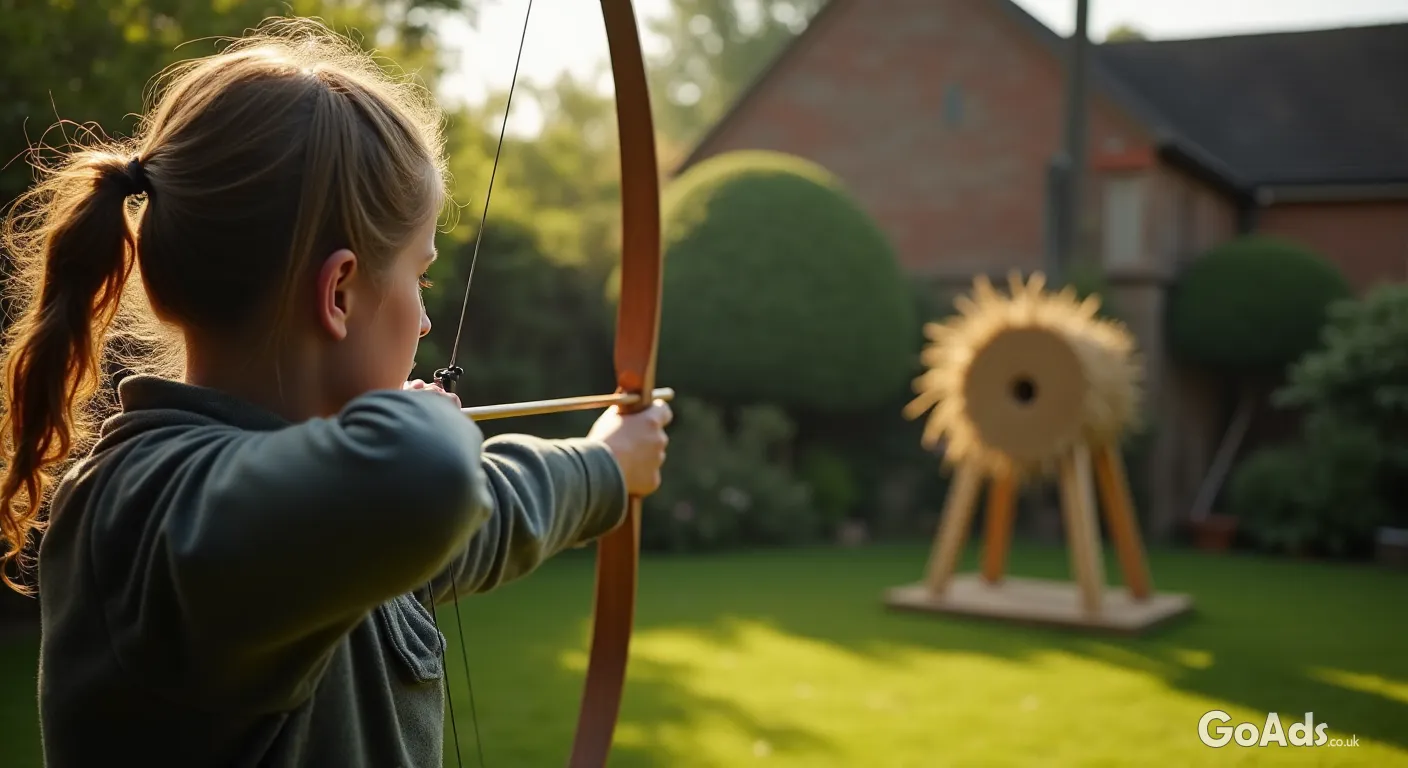
Safety is the absolute priority. If you are planning to practice at home, you need a significant "overshoot" area. A simple straw boss is a great start, but you should also consider a dedicated backstop net. Setting up outdoor games like target practice requires a clear line of sight and a guarantee that no person or pet can wander into the firing line. Always check your local bylaws regarding shooting in residential gardens.
The Beginner's Kit List
The Bow: A 20-25lb draw weight is usually perfect for starting adults.
Arrows: Carbon or aluminium arrows are durable and consistent. Avoid cheap fibreglass.
Arm Guard (Bracer): To protect your inner forearm from "string slap".
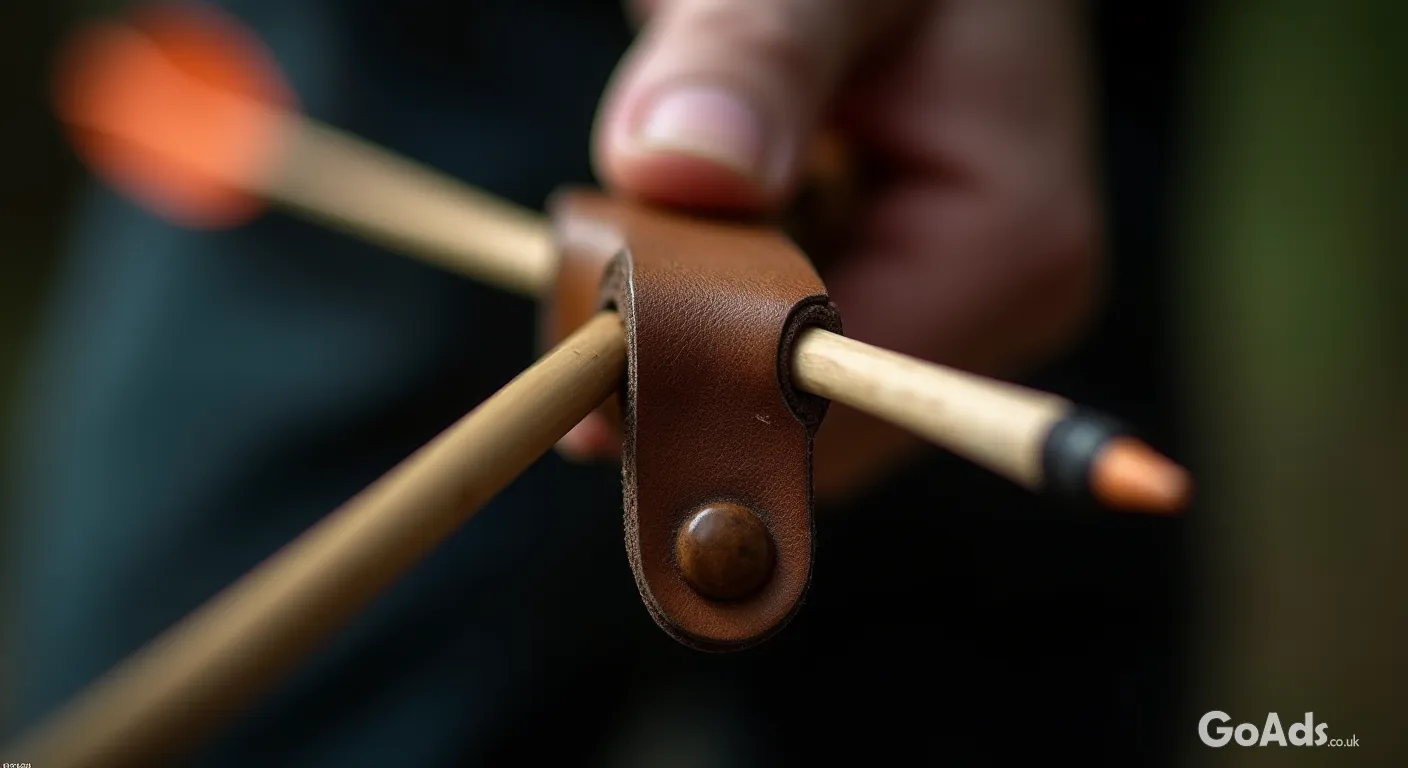
Finger Tab: A small piece of leather that prevents the string from blistering your fingers.
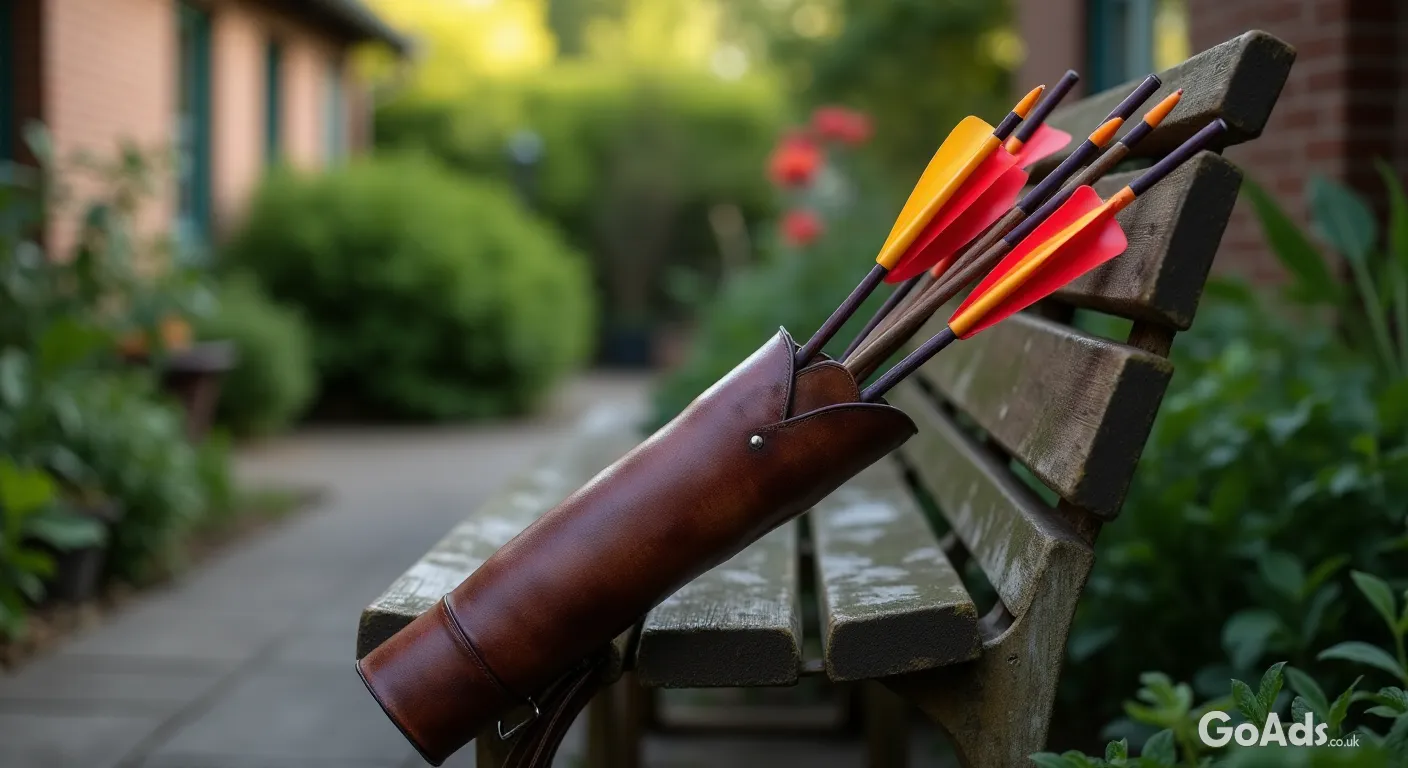
Quiver: To hold your arrows safely while you shoot.
Dress for Success
You don't need a Robin Hood costume, but what you wear matters. Loose sleeves are the enemy of an archer, as they can get caught in the string. Wearing snug, breathable sportswear ensures that your movements are fluid and your string path remains unobstructed. A good pair of flat-soled shoes will also help you maintain a consistent, stable stance.
Finding a Community
While garden practice is great for building muscle memory, joining a local club is where you will truly excel. Most clubs offer "have-a-go" sessions where they provide all the equipment. This is the best way to test different bow weights before you commit to a purchase. You can find more tips on getting active in our dedicated Sports & Leisure guide.
Maintaining Your Gear
A well-maintained bow can last decades. Keep your string waxed to prevent fraying and always unstring your recurve bow when it is not in use to prevent the limbs from losing their "spring". Check your arrows regularly for cracks or bent shafts; a damaged arrow is a dangerous arrow. By buying quality pre-loved gear and looking after it, you are participating in a sustainable hobby that holds its value remarkably well.









 Secure buying and selling
 Terms of Use
 GoAds.co.uk Facebook