The Weekend Wanderer: How to Master the Art of the Long-Distance Cycle Tour
Sports & Leisure
📅 2026. 04. 24.
Ready to swap the daily commute for the open road? Discover how to kit out your bike and plan your first multi-day cycling adventure across the UK.
The Freedom of Two Wheels
There is something remarkably liberating about packing everything you need onto a bicycle and simply heading toward the horizon. Cycle touring isn't just about the miles; it's about the sights, the sounds of the hedgerows, and the inevitable triumph of reaching a hilltop view. Whether you are planning a coastal loop or a cross-country epic, getting started doesn't require a professional athlete's budget.
Choosing Your Steed
You don't need a brand-new carbon fibre racing bike to go touring. In fact, many seasoned travellers prefer older steel frames for their durability and comfort over long distances. When looking for a frame, check for "eyelets" – these are the small threaded holes near the wheel axles that allow you to bolt on luggage racks. If you are starting from scratch, finding quality sports equipment that won't break the bank is the first step toward your adventure.
"The best bike for a tour is the one you already own and feel comfortable riding for four hours straight."
The Great Luggage Debate: Panniers vs. Bikepacking
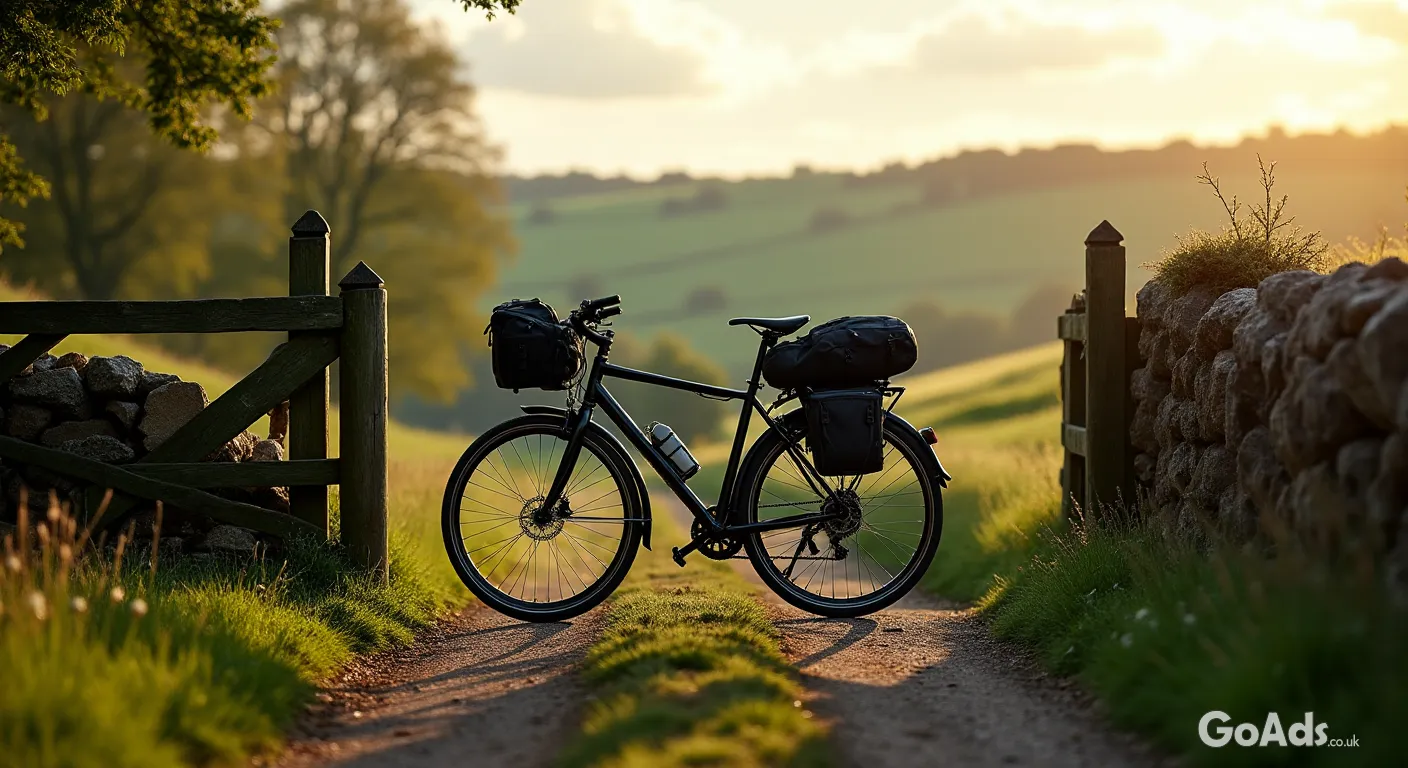
Traditionally, touring meant heavy metal racks and waterproof pannier bags hanging off the sides. This is still the king of capacity, perfect for carrying a tent and a stove. However, modern "bikepacking" bags – which strap directly to the frame, seat post, and handlebars – offer a more aerodynamic and nimble feel. Choose based on your style: if you want a kitchen sink approach, go for racks; if you want to fly light, go for frame bags.
Essential Maintenance Kit for the Road
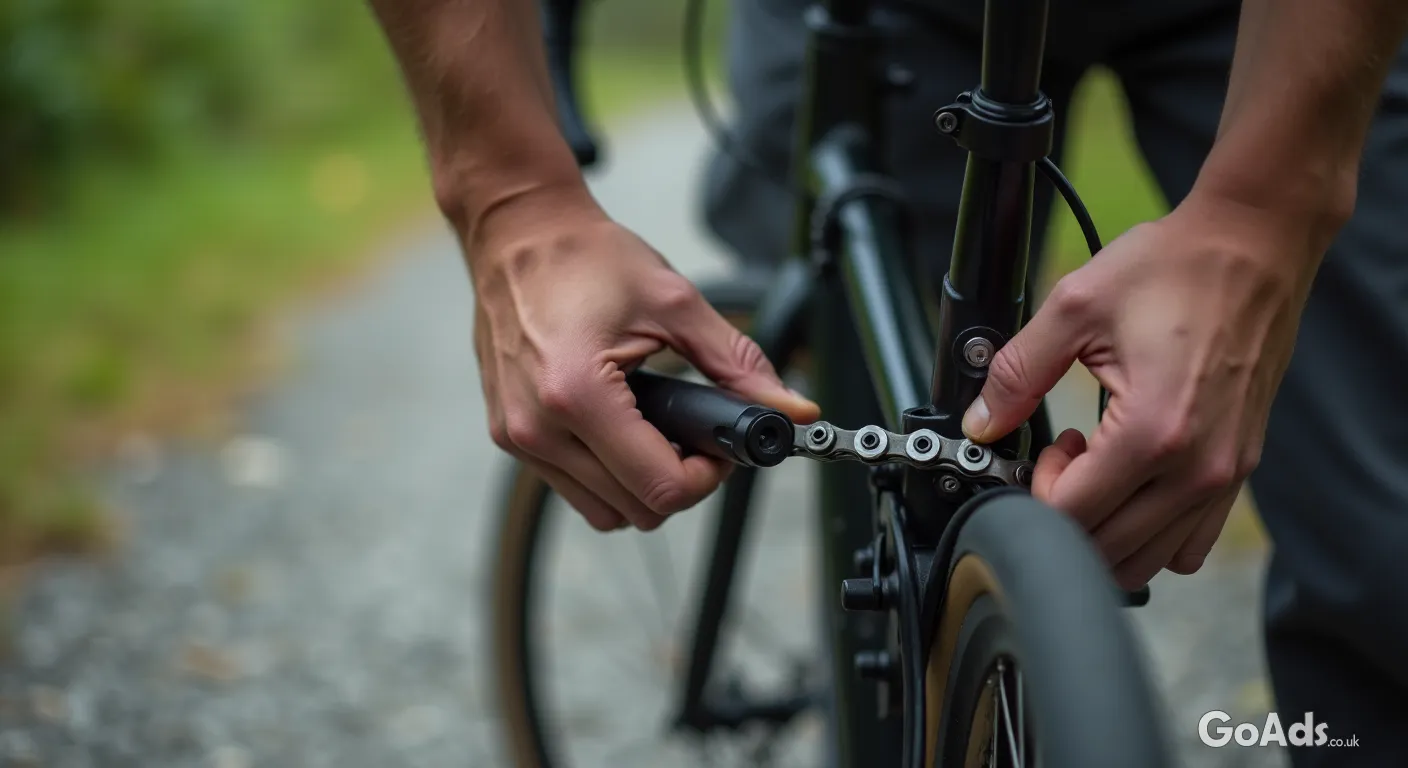
A high-quality multi-tool with a chain breaker
Two spare inner tubes and a reliable patch kit
A compact pump that actually fits your valves
Tyre levers (don't rely on your fingernails!)
A small bottle of chain lubricant for those rainy British afternoons
Planning Your Route Without the Stress
The UK is home to the National Cycle Network, a vast web of signposted paths that often follow old railway lines or quiet canal towpaths. These are perfect for beginners as they avoid heavy traffic. Use apps like Komoot or Strava to plot your route, but always carry a paper map as a backup. There is nothing quite like the feeling of being "lost" in the Cotswolds with a dead phone battery to ruin a good mood.
Fueling the Engine
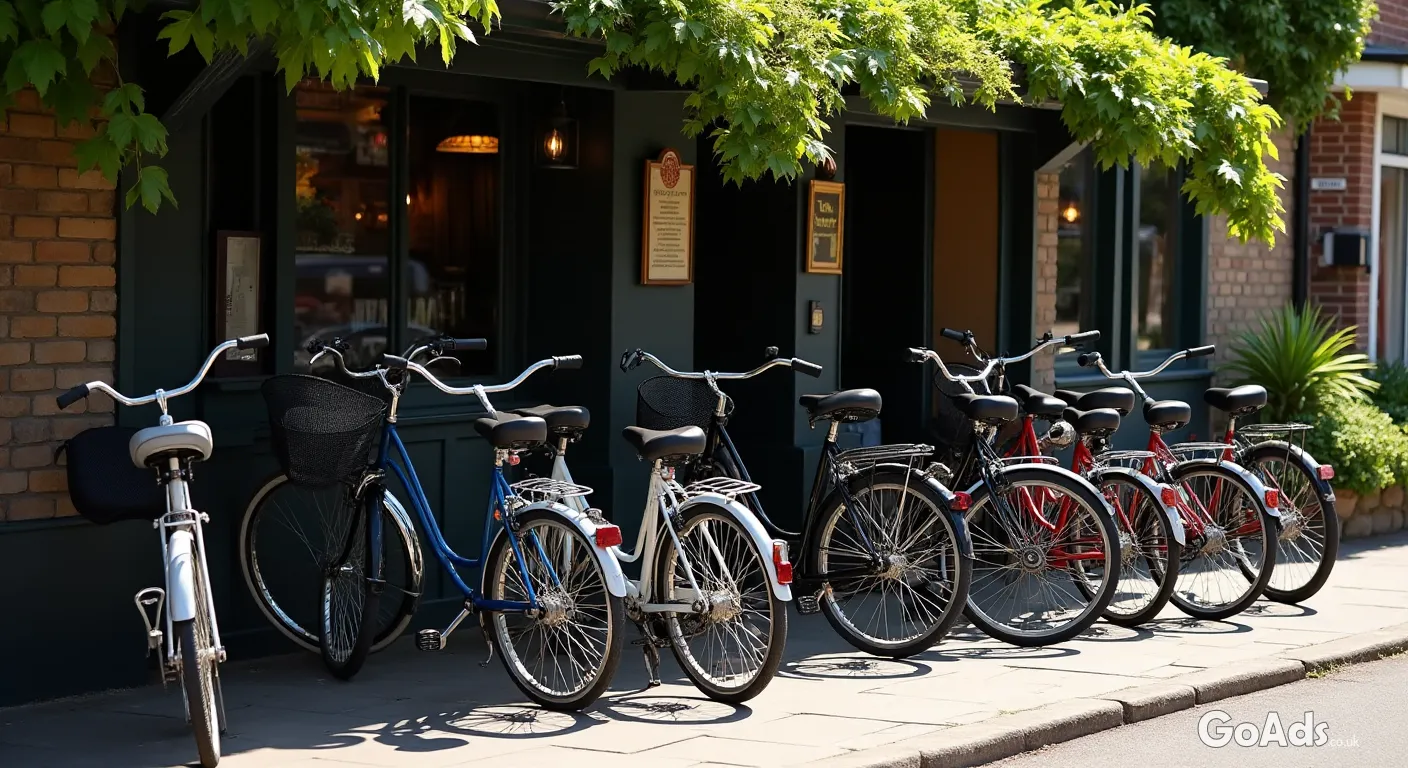
Cycling all day burns a serious amount of calories. Don't wait until you are "bonking" (the cycling term for hitting a wall of exhaustion) to eat. Keep snacks like flapjacks, bananas, or nuts in an easy-to-reach top-tube bag. And of course, the traditional British cycle tour is incomplete without a stop at a village pub for a hearty lunch and a pint of shandy.
Touring with the Whole Family
Cycle touring isn't just for solo adventurers. It is a fantastic way to bond with the kids, even getting the little ones involved with a sturdy children's bicycle for shorter family loops. Start with flat, car-free trails to build their confidence before tackling any significant hills.
Top Tip: Always test your fully loaded bike on a short 5-mile ride before leaving for a multi-day trip. The handling changes drastically when you add 10kg of gear!
Safety and Visibility
Even on quiet lanes, being seen is vital. Ensure your lights are charged (even in daytime) and consider a high-vis vest if the weather turns misty. For more tips on staying active and safe outdoors, check out our wider guide on sports and leisure for more outdoor inspiration.
The Final Checks
Before you set off, give your bike an "M-Check" – start at the front wheel, move up to the handlebars, down to the pedals, up to the saddle, and down to the rear wheel. Check for loose bolts, rubbing brakes, and worn tyres. A little bit of grease today saves a lot of headache tomorrow. Happy pedalling!












 Secure buying and selling
 Terms of Use
 GoAds.co.uk Facebook