Every Drop Counts: A Beginner's Guide to Rainwater Harvesting at Home
Sustainable Living
📅 2026. 03. 16.
Start saving money and the environment by tapping into Britain's most abundant resource: rain. This guide shows you how to set up a simple harvesting system at home.
Why Rainwater Harvesting is a Game Changer
In Britain, we are no strangers to a bit of drizzle. While we might moan about the damp weather, that rain is actually a liquid goldmine for your home and garden. Rainwater harvesting isn't just for eco-warriors or large-scale farmers anymore; it is a practical, cost-effective way for any household to reduce their environmental footprint and slash those ever-rising water bills.
Getting Started with a Simple Water Butt
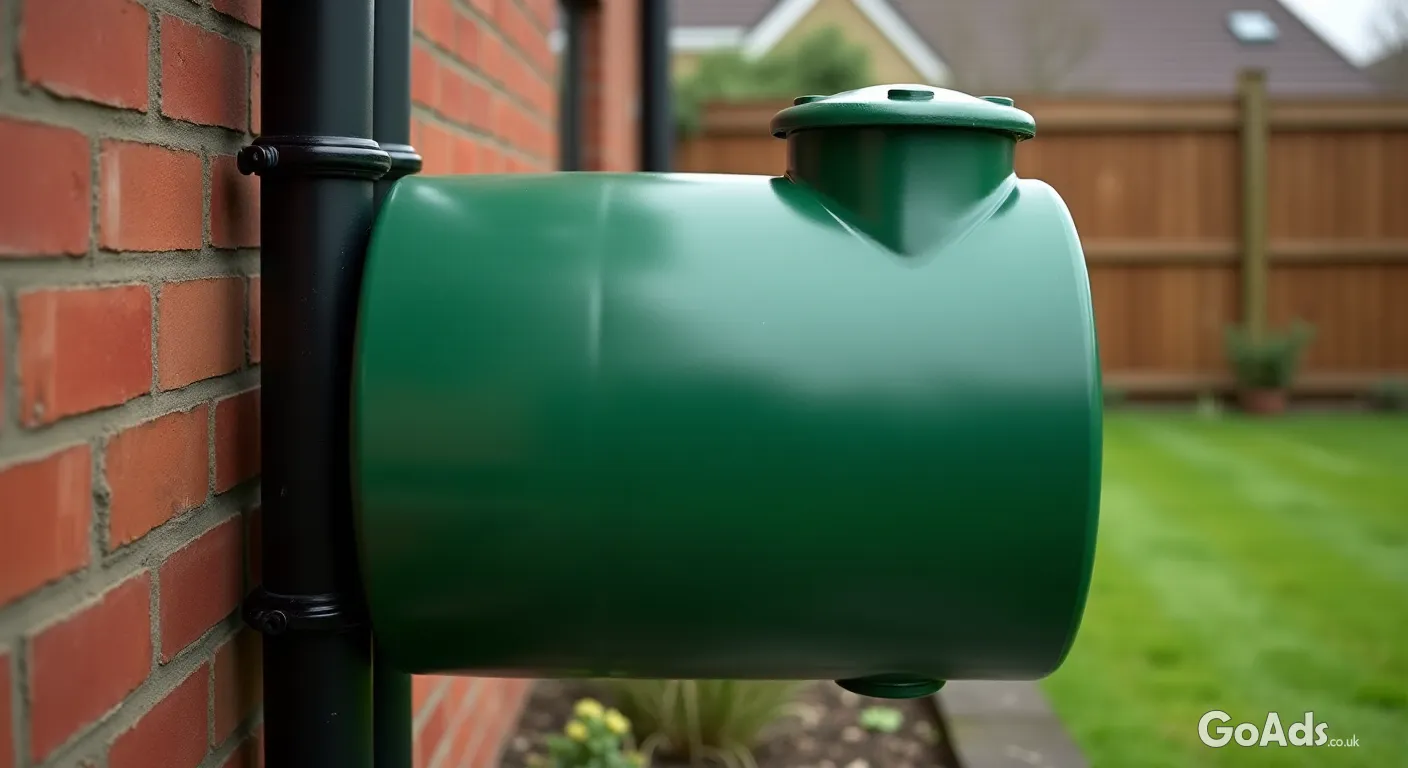
The easiest entry point into this world is the humble water butt. It is a simple tank that connects to your existing guttering. Instead of all that lovely soft water heading straight into the drains, it collects in the tank for you to use whenever you need it. When looking for setup essentials, browsing for garden plant accessories is a great way to find diverted connectors and stands that make the job much easier.
"Rainwater is actually better for your plants than tap water because it lacks the chlorine and fluoride found in the mains supply, and it is usually at a more natural pH level."
Where to Position Your Setup
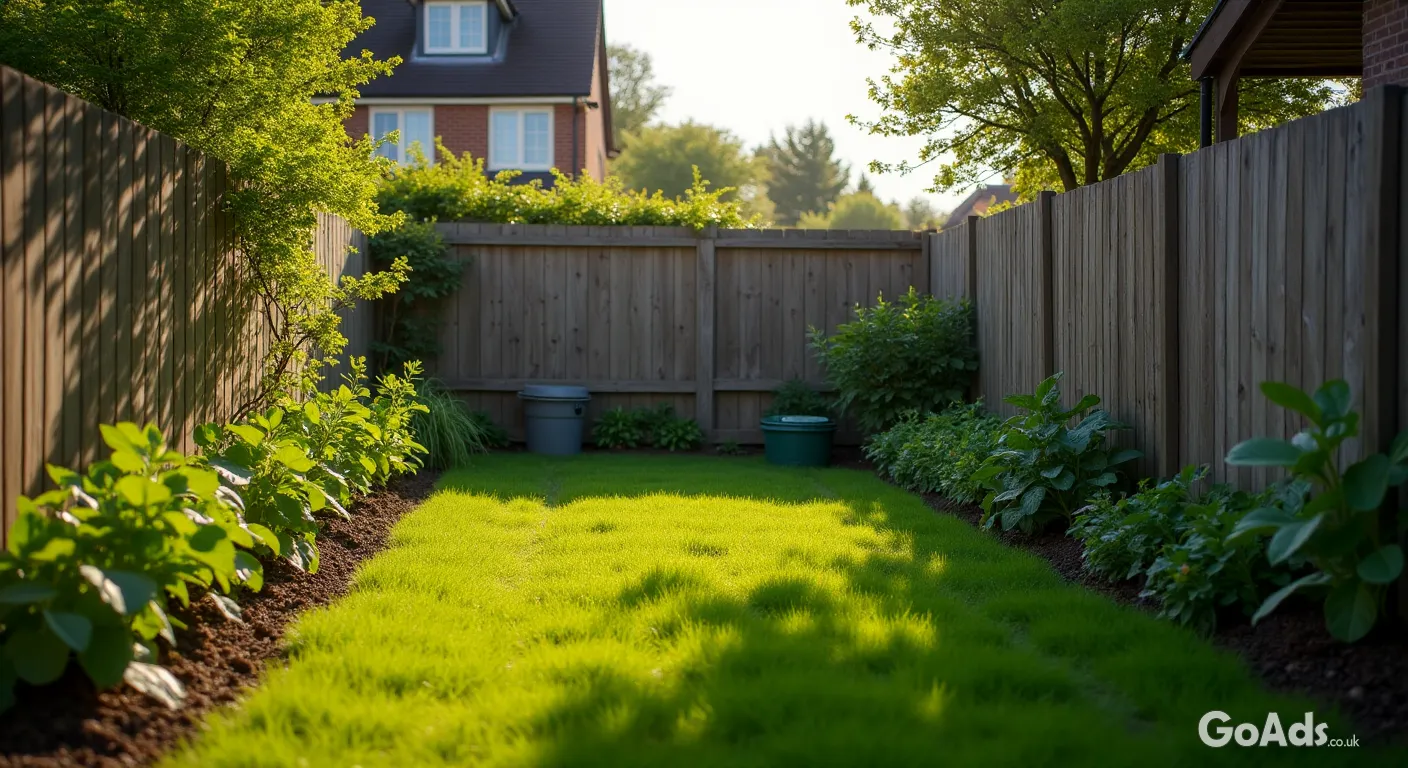
Ideally, you want your collection point to be near where you use the water most. Most people stick to the back of the house, but don't forget about your shed or garage. These smaller roof areas can still collect a surprising amount of water. If you are aiming for a truly sustainable living lifestyle, consider installing multiple butts around your property to maximise your catchment area.
What You Need for a Basic Setup
A sturdy water butt (recycled plastic is best).
A downpipe diverter kit to connect the butt to your gutter.
A firm, level base or a purpose-built stand.
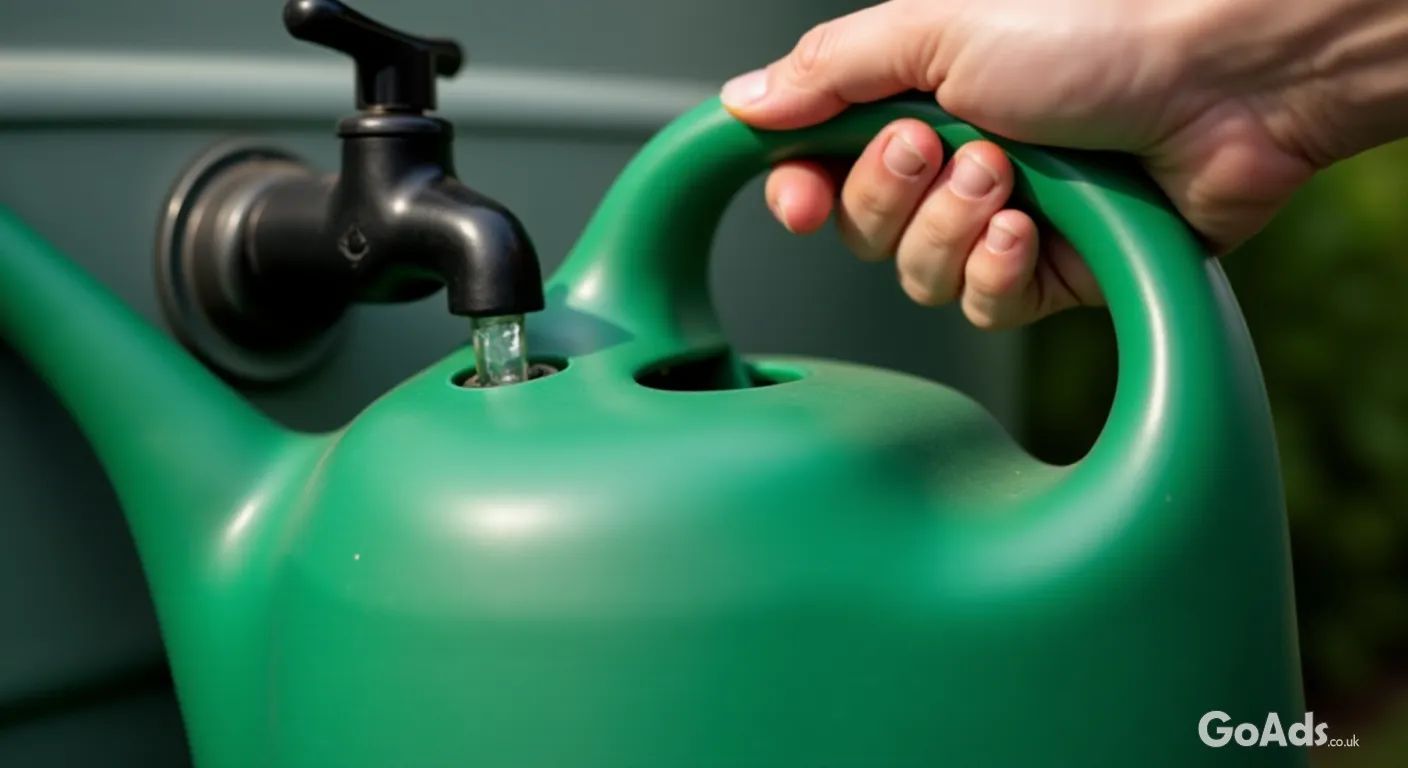
A tap for easy dispensing.
A lid to keep out debris and prevent mosquitoes from breeding.
Installation Tips for the DIY Enthusiast
Installing a diverter is a straightforward Saturday morning job. You simply cut a small section out of your plastic downpipe and slot the diverter in. This clever device ensures that once the butt is full, the excess water continues down the pipe as normal, preventing any messy overflows. If you are tackling this as part of a larger garden and home improvement project, it is worth checking your gutters for leaks at the same time.
Gravity is your best friend here. By placing your water butt on a sturdy furniture item like a heavy-duty wooden stand or a stack of stable bricks, you make it much easier to fit a watering can underneath the tap. It also provides better pressure if you decide to connect a short hose for gravity-fed irrigation.
Advanced Harvesting: Using Pumps
If you have a larger garden or want to use the water for more than just the flower beds, you might consider a submersible pump. These allow you to use a standard spray gun or even a sprinkler system. You can often find suitable pumps in the household appliance section, specifically those designed for garden use or water transfer.
Creative Ways to Use Harvested Water
Watering indoor and outdoor plants.
Washing the car (rainwater is spot-free!).
Cleaning muddy garden tools and boots.
Filling birdbaths and wildlife ponds.
Topping up your compost heap to keep it moist.
Maintenance: Keeping it Clean
A little bit of maintenance goes a long way. Once a year, usually in late autumn, it is a good idea to empty the butt and give it a quick scrub to remove any silt or algae. Keeping your gutters clear of leaves will also ensure the water flowing into your tank is as clean as possible.
The Financial and Environmental Payoff
By switching even just your garden watering to rainwater, you can save thousands of litres of treated mains water every year. In a world where water scarcity is becoming a real conversation, taking control of your own supply is a smart, forward-thinking move that benefits both your pocket and the planet.











 Secure buying and selling
 Terms of Use
 GoAds.co.uk Facebook