The Borrowing Revolution: How to Start a Local Library of Things and Cut Down on Waste
Sustainable Living
📅 2026. 05. 27.
Tired of buying tools you only use once? Learn how to set up a community-led Library of Things to save money and the planet while decluttering your home.
Why Own When You Can Share?
We've all been there. You need a circular saw for a Saturday afternoon project, or perhaps a heavy-duty carpet cleaner for a one-off spring clean. You head to the shops, drop eighty quid on a gadget, use it for two hours, and then it spends the next five years gathering cobwebs in the shed. It is expensive, it is a waste of space, and it is certainly not doing the planet any favours. Enter the 'Library of Things'.
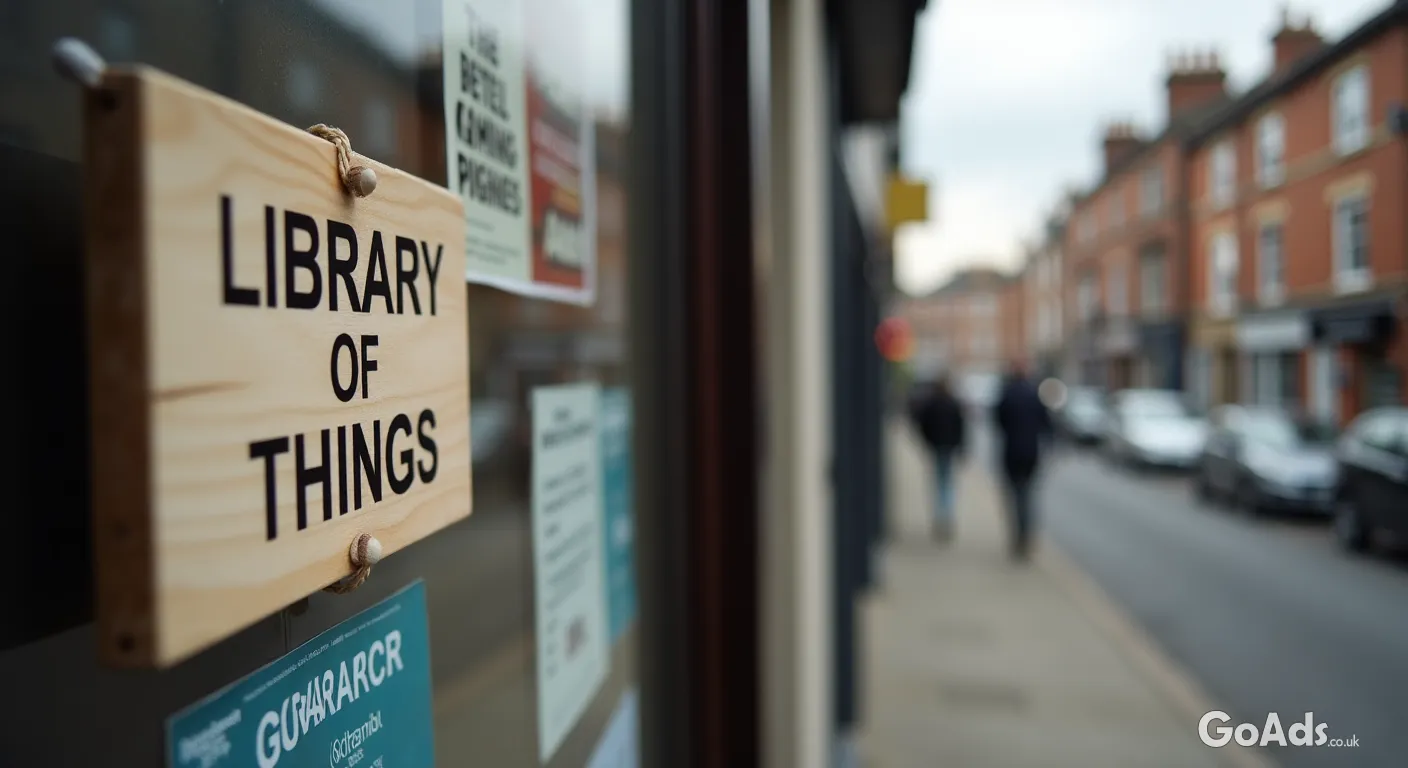
A Library of Things is a community-run space where you can borrow items you don't need every day, from power tools to party gazebos.
Step 1: Identifying the "One-Off" Heroes
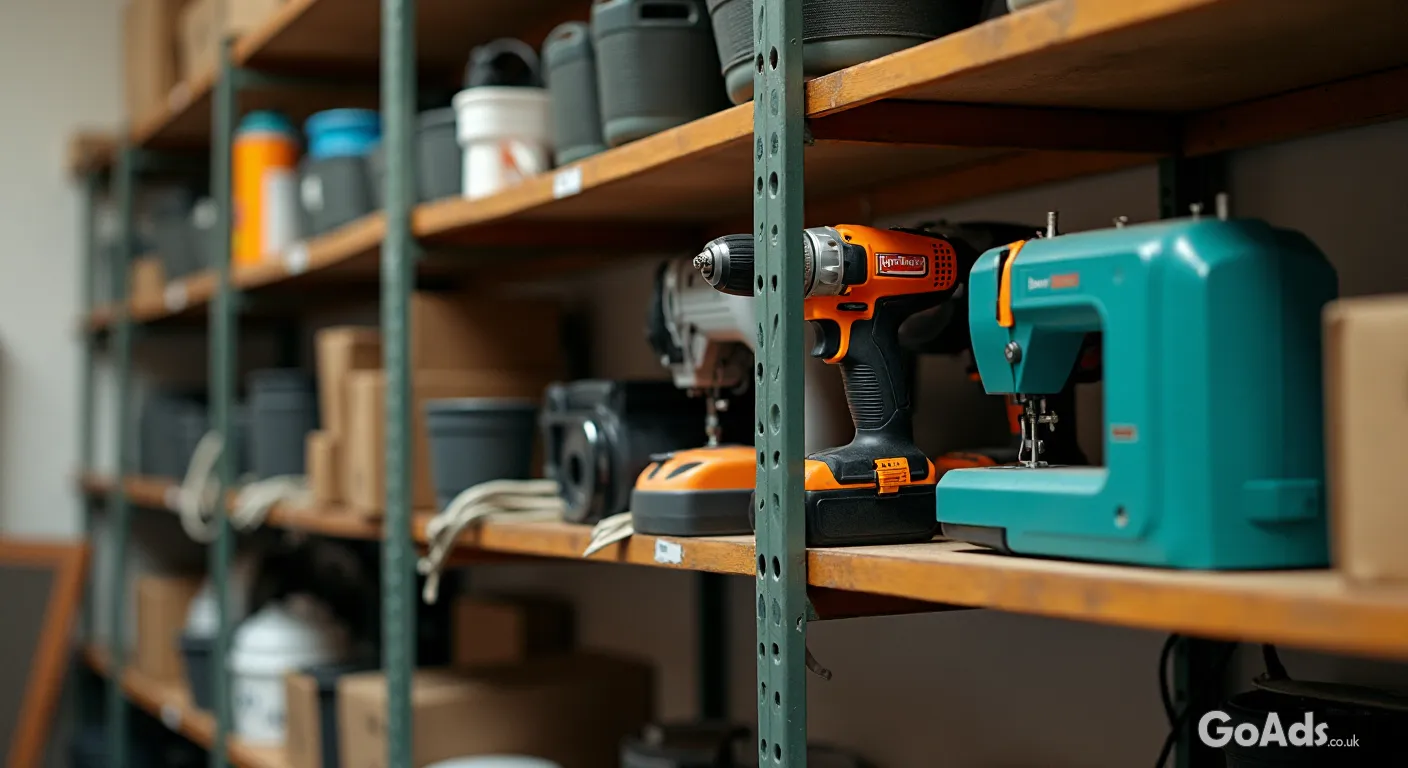
The first step in starting your own local sharing hub is identifying what people actually need but don't want to store. Think about items that are bulky, expensive, or used infrequently. High-quality equipment is often built to last, and finding sturdy items like lawnmowers or shredders in the garden and plant classifieds is a great way to stock up your initial inventory without breaking the bank. The goal is to build a collection of reliable gear that serves the whole street.
Top Items for a Sharing Library
DIY Tools: Drills, sanders, and tile cutters.
Cleaning Gear: Pressure washers and steam cleaners.
Camping Equipment: Tents, stoves, and sleeping mats.
Kitchen Gadgets: Dehydrators, stand mixers, and ice cream makers.
Leisure: Projectors, gazebos, and giant garden games.
Step 2: Finding a Home for Your Hub
You don't need a massive storefront to get started. Many successful libraries begin as a simple WhatsApp group or a dedicated shelf in a local community centre, church hall, or even a dry garage. The key is accessibility and safety. Even high-ticket items found in household appliance listings can be shared among neighbours if there is a clear system for tracking who has what and when it is due back.
Start small. A single cupboard in a community cafe is often enough to spark a local movement.
Step 3: Setting the Rules of Engagement
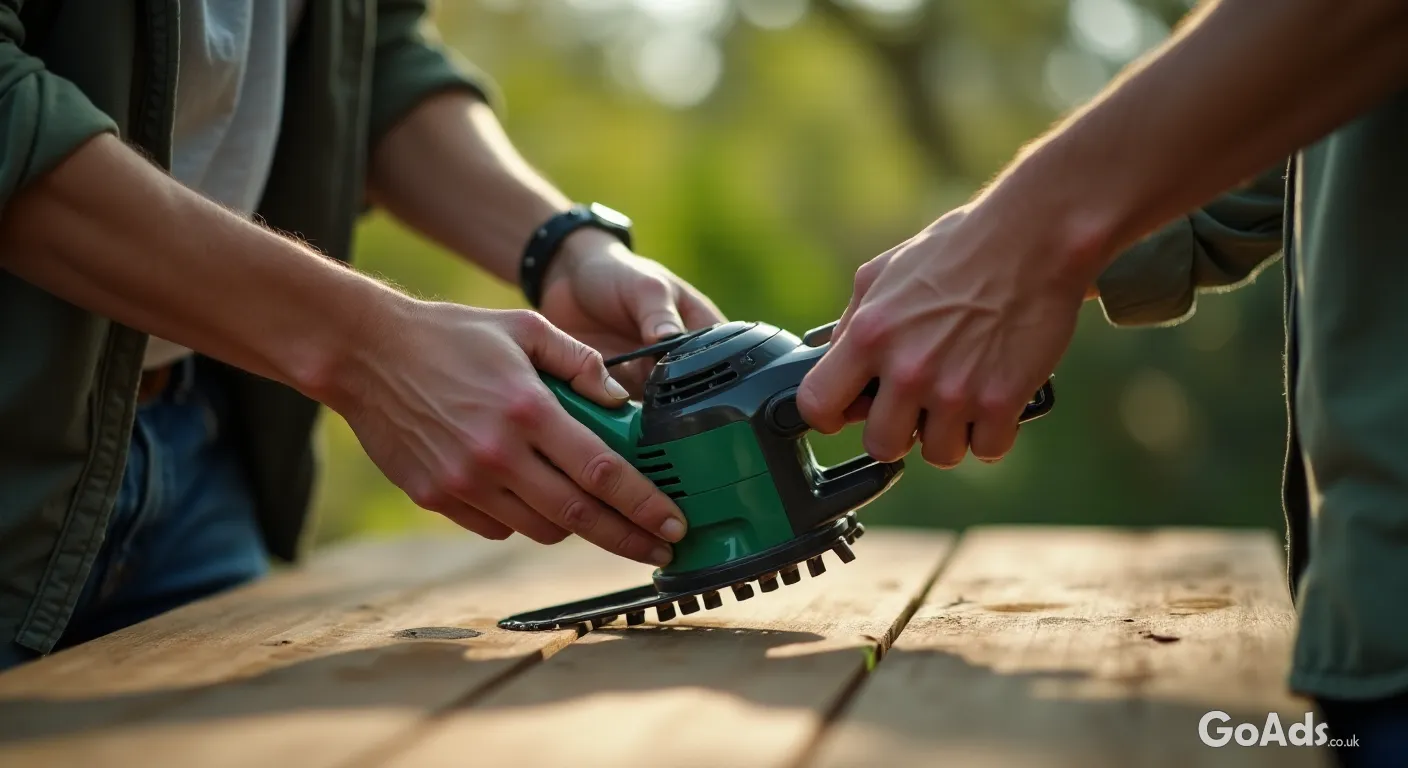
To keep the peace and ensure your items last, you need a few simple rules. Most libraries use a small membership fee or a "pay-as-you-borrow" model to cover insurance and maintenance. It is vital to have a basic agreement that says, "If you break it, help us fix it." This builds a sense of collective ownership and respect for the tools.
How to Manage Your Library Like a Pro
Use a simple spreadsheet or a free lending app to track items.
Ask for a small deposit for high-value electronics.
Create a "How-To" folder for each item to prevent accidental damage.
Host a monthly "Repair Cafe" to keep the stock in top nick.
The Environmental Impact
Every item shared is an item not manufactured, shipped, and eventually sent to a landfill. By shifting our mindset from "owning" to "accessing," we significantly reduce our carbon footprint. For more inspiration on eco-friendly habits and community projects, check out our guide to sustainable living for modern households. It is about more than just recycling; it is about building a resilient, connected community.
Final Thoughts: Getting the Word Out
Don't be shy about shouting from the rooftops! Use local social media groups and notice boards to find your first few members. You'll be surprised how many people have a spare drill or a tent they'd be happy to donate to the cause. Not only will you be saving money, but you'll also be getting to know your neighbours one borrowed hammer at a time. Happy sharing!










 Secure buying and selling
 Terms of Use
 GoAds.co.uk Facebook