Beyond the Smart Plug: A Beginner's Guide to Smarter Home Automation
Tech & Smart Devices
📅 2026. 04. 06.
Stop clicking buttons and start automating. Learn how to use sensors and hubs to make your home work for you without breaking the bank.
The Automation Evolution
Most of us start our smart home journey with a single Wi-Fi plug to turn the Christmas tree lights on or a bulb that changes colour. But let’s be honest: if you have to pull out your phone, unlock it, and open an app just to turn on a lamp, is it actually "smart"? True home automation is about the house reacting to you, not you managing the house.
The Secret Sauce: The Hub
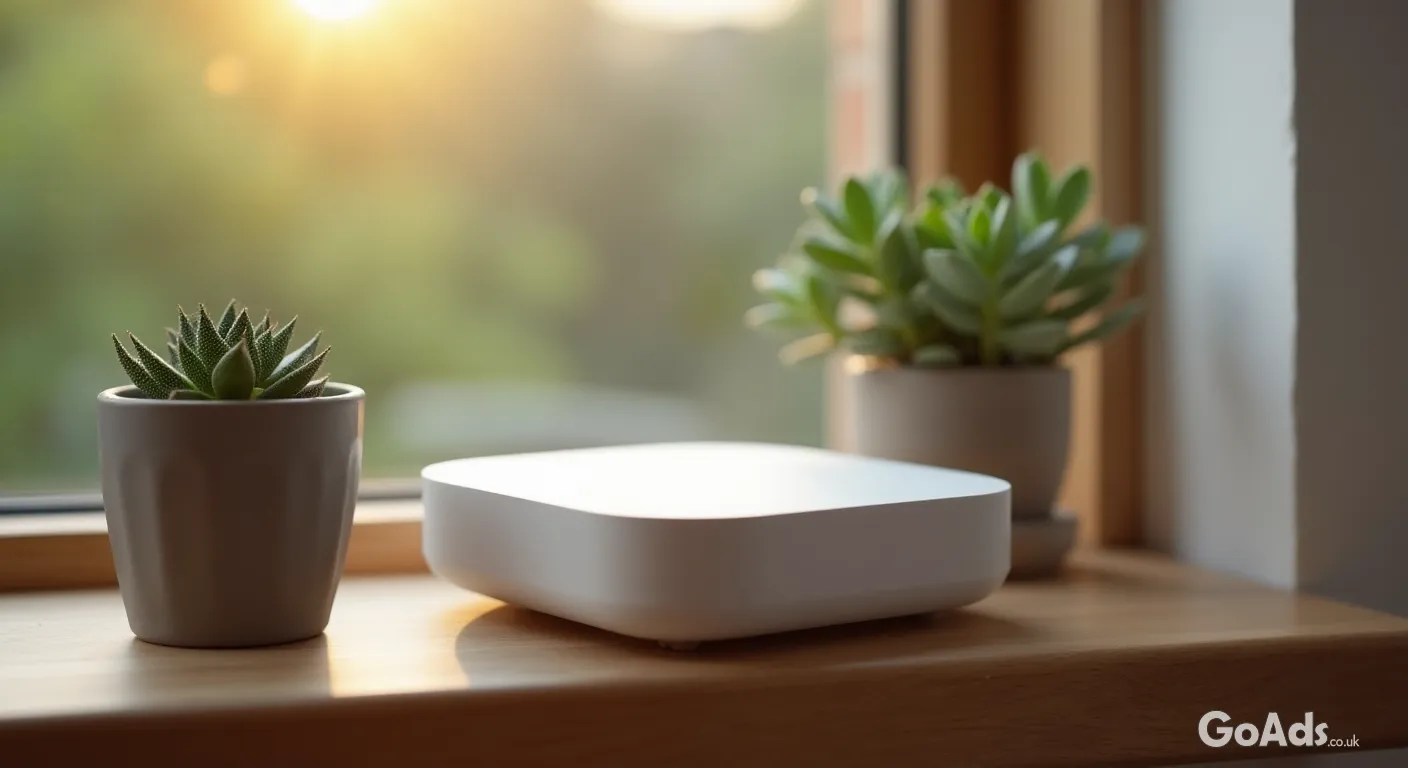
The biggest mistake beginners make is buying dozens of individual Wi-Fi devices. This clogs up your router and usually requires ten different apps. To level up, you need a dedicated hub. Whether it is a Matter-enabled device or a Zigbee coordinator, a hub allows your gadgets to talk to each other locally. If you are starting from scratch, you might need better network products to keep everything connected and stable as your device count grows.
The goal is "invisible tech"—the best smart home is the one you don't have to think about because it already knows what you want.
Sensors: The Real MVPs
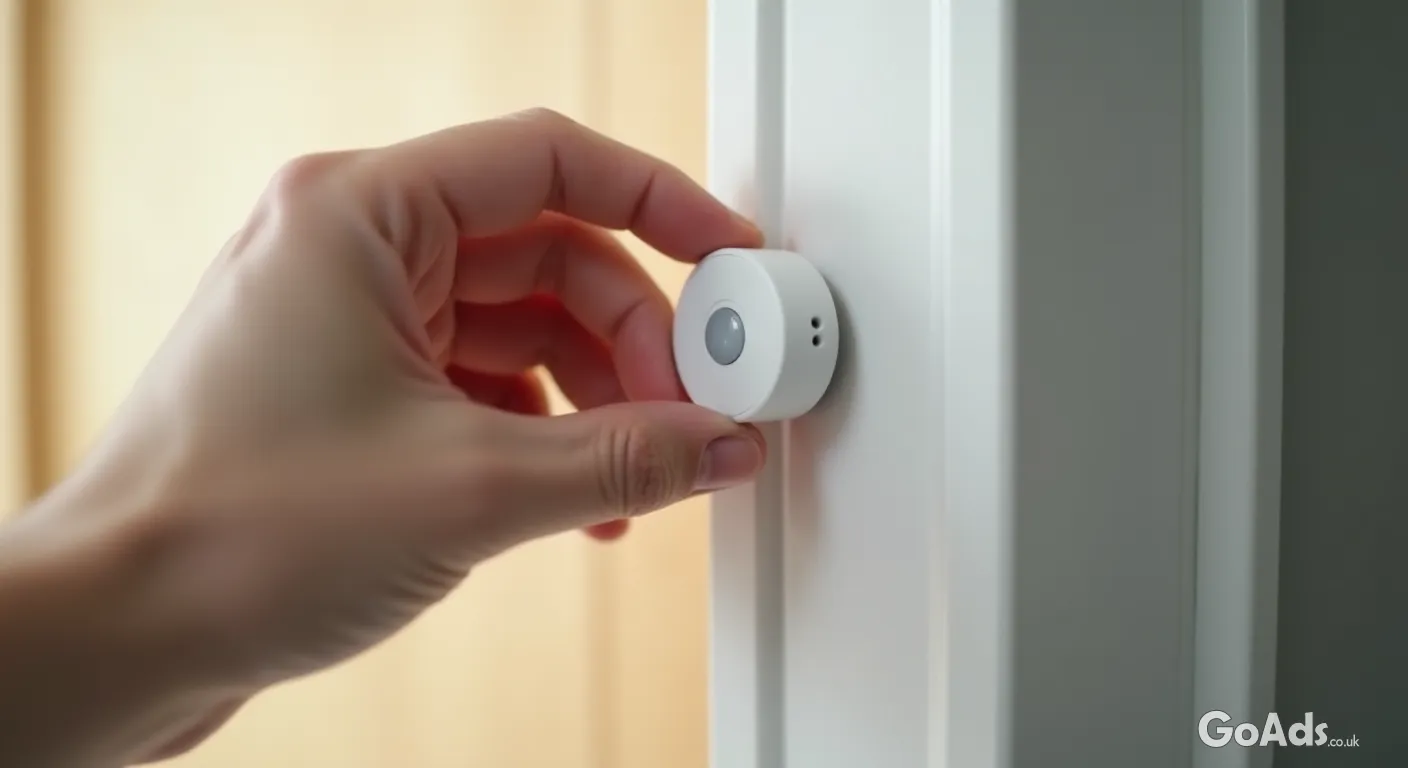
If you want your home to feel like the future, stop buying buttons and start buying sensors. Motion sensors, contact sensors (for doors and windows), and temperature sensors are the building blocks of real automation. Imagine walking into the bathroom at 2 AM and the lights dimming to 10% automatically so you aren't blinded. That is the magic of a well-placed sensor.
Top 3 Budget Automation Ideas
The "Walk-in" Wardrobe: Put a contact sensor on your wardrobe door so the internal light pops on the second you open it.
The Humidity Hero: Use a cheap sensor in the bathroom to trigger an extractor fan or dehumidifier when things get steamy.
The Welcome Home: Set your hallway lights to turn on only if it is after sunset and the front door opens.
Managing the Chaos
Managing everything from your mobile phone is the easiest way to stay in control while you are out, but for more inspiration on the latest gadgets and how they integrate, check out our Tech & Smart Devices section for deeper dives into specific ecosystems.
Why Automation is Sustainable
It is not just about showing off to your mates. Automating your heating and lighting isn't just cool; it is a core part of sustainable living by reducing energy waste. Smart TRVs (Thermostatic Radiator Valves) can turn off the heating in rooms you aren't using, potentially saving you a packet on your monthly bills.
Always check the "Pre-loved" market first. Many people buy complex starter kits, find them too fiddly, and sell them on at a fraction of the retail price.
A Word on Privacy
When you are building your setup, try to keep as much as possible "local." This means your devices talk to your hub, not a server in another country. It is faster, more secure, and it means your lights will still work even if your internet goes down—which, let's face it, happens more than we'd like.
Getting Started Today
Start small. Pick one "pain point" in your house—maybe a dark hallway or a light switch that is awkwardly placed behind a sofa. Solve that one problem with a sensor and a smart bulb. Once you see it working, you will be hooked. Just remember to keep your firmware updated and your passwords strong!










 Secure buying and selling
 Terms of Use
 GoAds.co.uk Facebook