The Home Cinema Revolution: How to Build a Cinematic Experience with Pre-loved Hi-Fi and Projectors
Tech & Smart Devices
📅 2026. 04. 14.
Ditch the tiny TV and learn how to curate a professional-grade home cinema setup using high-end pre-loved components. From 4K projectors to vintage audiophile speakers, here is your guide to big-screen bliss on a budget.
Why Pre-loved is the Smart Way to Go Pro
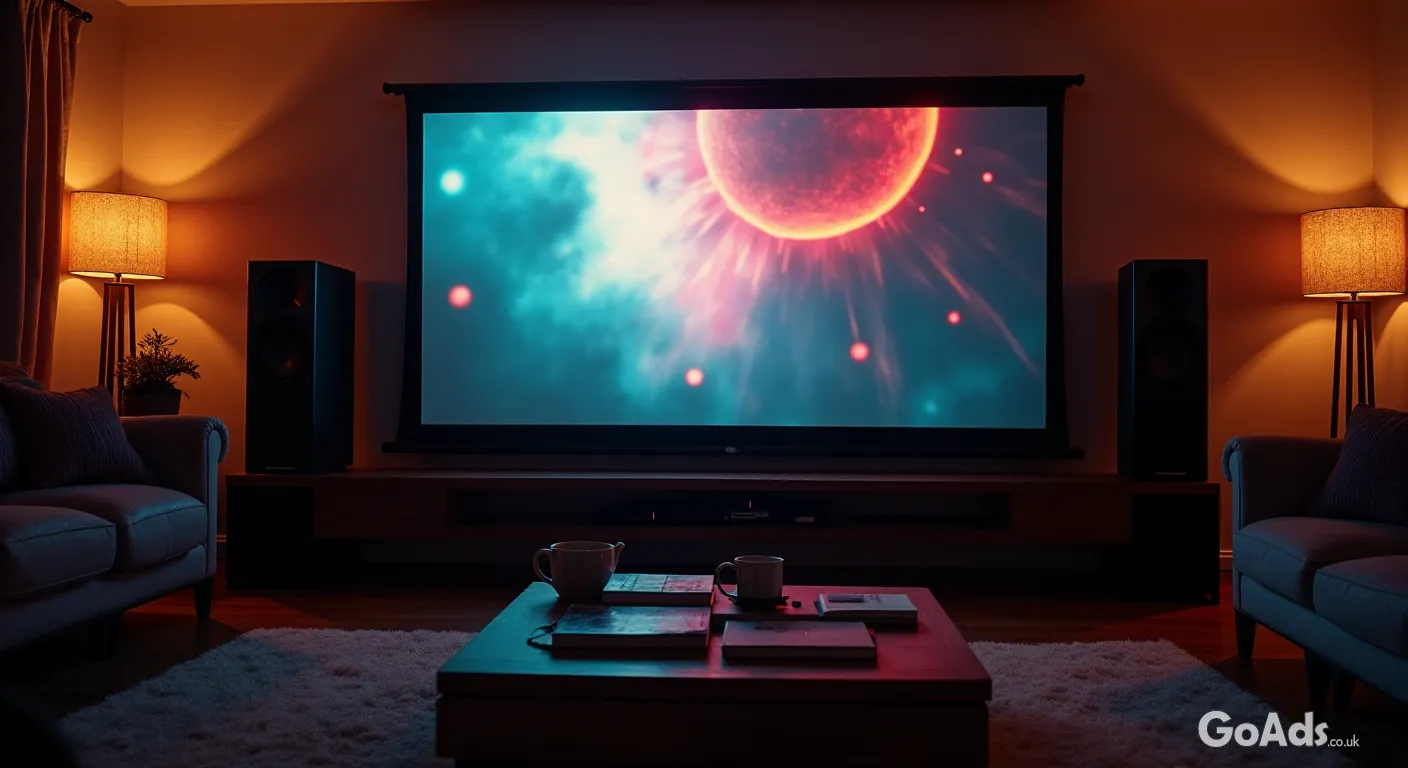
Let's be honest: buying brand-new home cinema gear is a quick way to empty your bank account. The moment a flagship projector or a high-end AV receiver leaves the showroom, its value takes a massive hit, yet the performance remains stellar for years. By exploring the market for video and audio devices, you can often find equipment that was top-of-the-line only a few seasons ago for a fraction of the original price. This isn't just about saving money; it's about accessing a level of build quality and sound fidelity that budget "all-in-one" systems simply can't match.
"The best home cinema isn't the one with the newest stickers on the box, but the one that makes your floorboards shake and your eyes widen."
The Visual Hub: Projectors vs. Large Panels
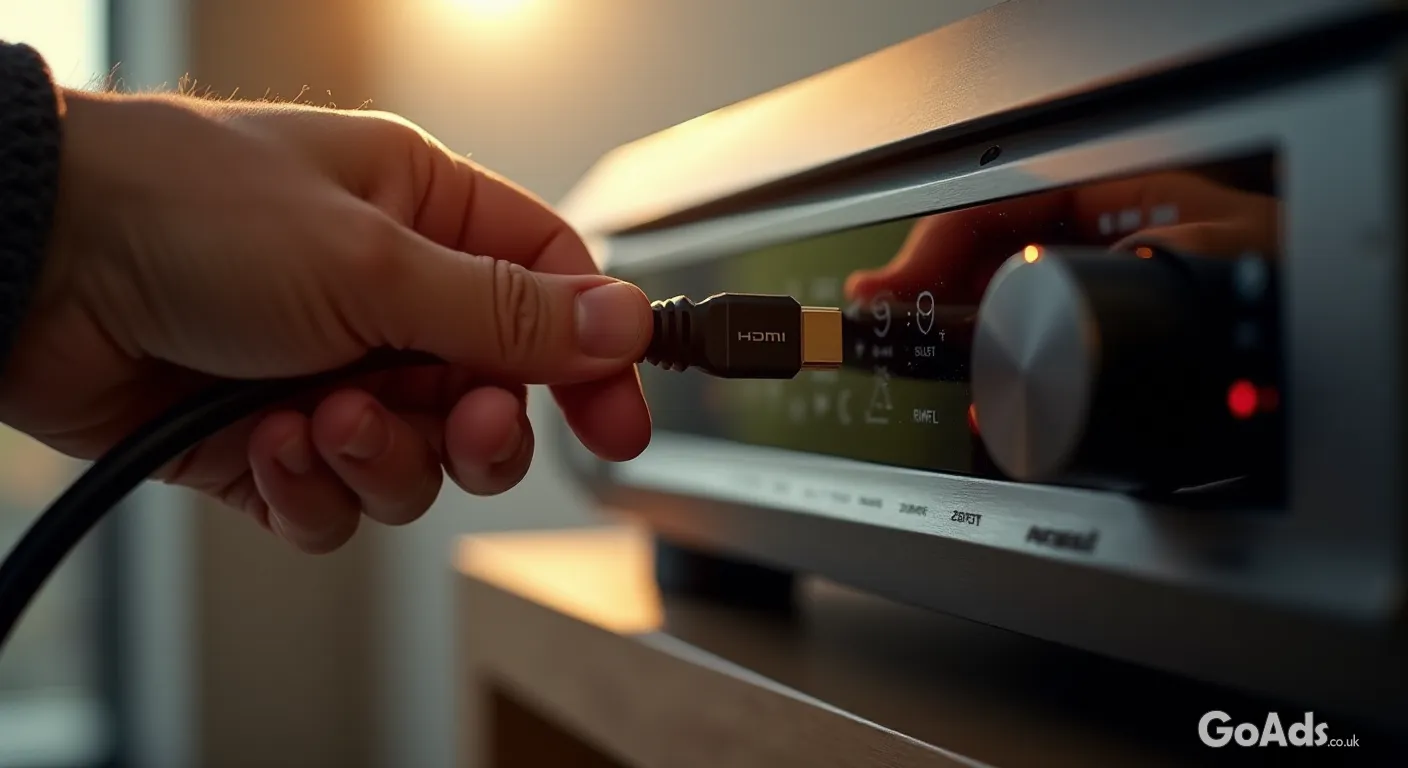
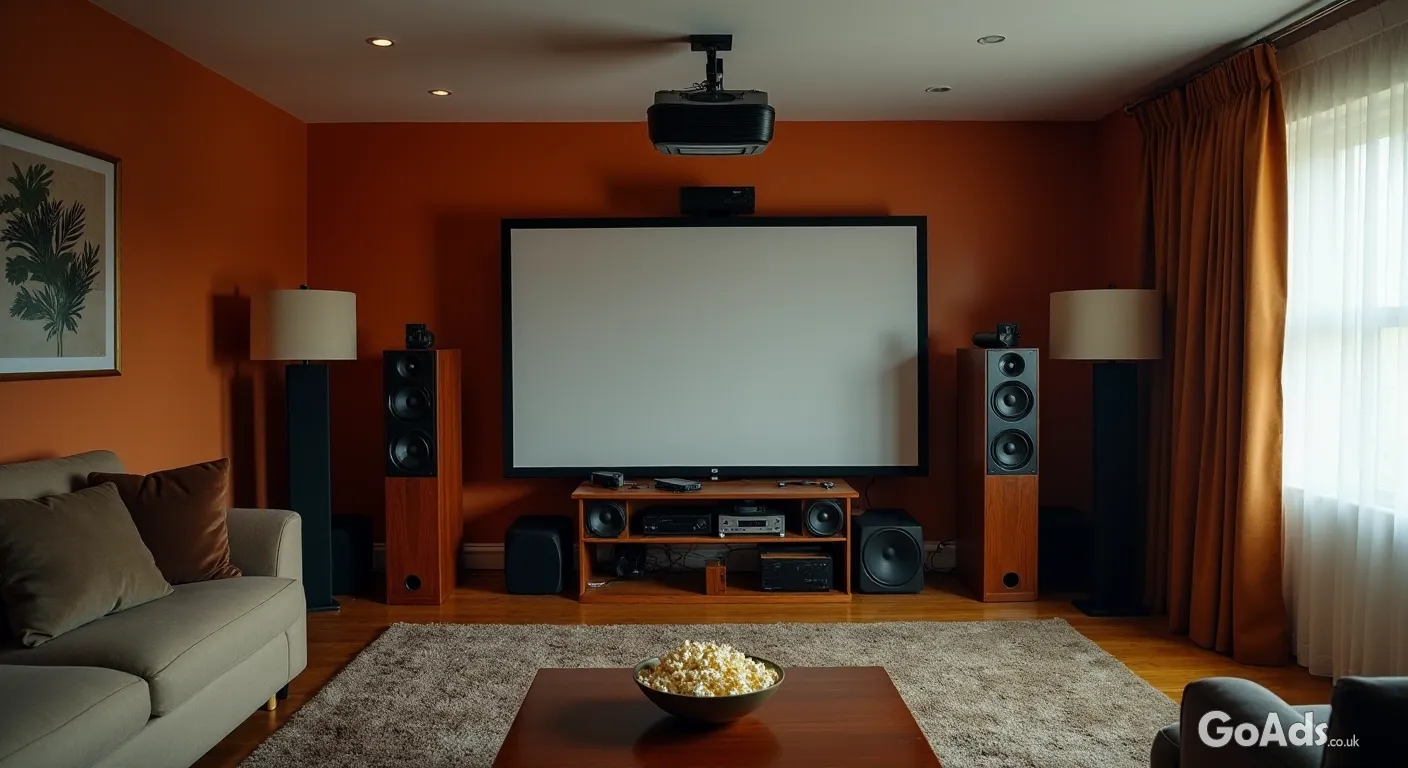
While massive LED TVs are becoming more affordable, nothing beats the immersive feel of a projector. When hunting for a used unit, look for "Lamp Hours" in the description. A projector with low usage on its original bulb is a goldmine. If you are building a media server to feed your new setup, don't forget you might need some desktop PC accessories like long-range Bluetooth keyboards or high-speed HDMI 2.1 cables to ensure your 4K signal remains crisp. Always ask the seller for a video of the projector running in a dark room to check for any dead pixels or fan noise issues.
Essential Checklist for Used AV Receivers
Check the Ports: Ensure it has enough HDMI inputs for your consoles and players.
Format Support: Look for units that support Dolby Atmos or DTS:X for that true "wrap-around" sound.
The Remote: Original remotes are hard to replace; make sure it's included and functional.
Heat Management: High-end receivers run hot; ask if it was kept in a well-ventilated rack.
Sound: The Soul of the Cinema
Sound is arguably more important than the picture. A used pair of high-quality British-made floor-standing speakers from a decade ago will still sound better than most modern plastic soundbars. Digging through listings for audio equipment can yield incredible results, from Wharfedale towers to B&W bookshelf speakers. Remember, speakers are mechanical; as long as the "surrounds" (the rubber bit around the cone) aren't perished, they can last for thirty years or more. Check our Tech & Smart Devices section for more guides on how to test audio gear before you buy.
The Sustainable Setup
Building your dream theatre this way is a fantastic example of sustainable living. You are giving high-quality machinery a second life and keeping perfectly functional tech out of landfills. Plus, older Hi-Fi gear is often much easier to repair than modern, glued-together gadgets. If a capacitor blows in a 90s amplifier, a local specialist can usually fix it for a few quid, whereas a modern smart speaker is often "disposable" once it breaks.
Pro Setup Tips for the Best Experience
Paint it Dark: If you use a projector, painting the wall behind the screen a dark grey or navy will drastically improve perceived contrast.
Rug it Up: Hardwood floors reflect sound. A thick rug between you and the speakers will tighten up the bass and improve dialogue clarity.
Cable Management: Use Velcro ties instead of zip ties; you'll thank yourself later when you want to upgrade a single component.
Testing Before You Buy
When meeting a seller, always bring your own high-bitrate source, like a Blu-ray or a high-quality digital file on a drive. Streaming apps can sometimes mask hardware flaws with their own compression. Listen for "scratchy" sounds when turning volume knobs—this usually just means the unit needs a bit of contact cleaner, but it can be a great haggling point! Happy hunting, and enjoy the popcorn.








 Secure buying and selling
 Terms of Use
 GoAds.co.uk Facebook